 हिंदी खबर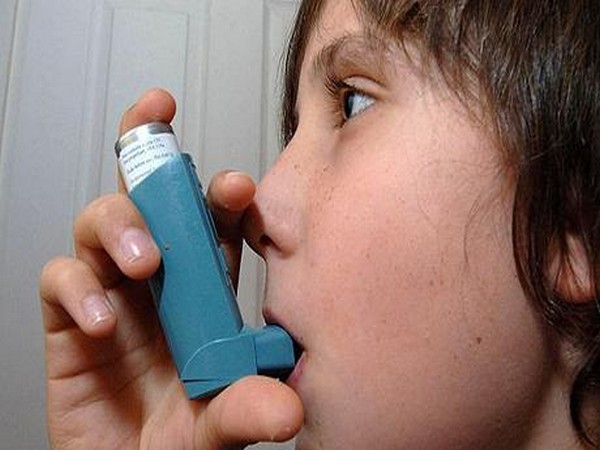

Maryland [US], May 23 (ANI): Women who were highly exposed to ultra-fine particles in air pollution during their pregnancy were more likely to have children who developed asthma, according to a study.
The study was published in the American Journal of Respiratory and Critical Care Medicine in May.
This is the first time asthma has been linked with prenatal exposure to this type of air pollution, which is named for its tiny size and which is not regulated or routinely monitored in the United States.
Slightly more than 18 per cent of the children born to these mothers developed asthma in their preschool years, compared to 7 per cent of children overall in the United States identified as having asthma by the Centers for Disease Control and Prevention.
Other types of pollutants are routinely monitored and regulated to reduce potential health effects, such as larger-size particulate pollution and gaseous pollutants such as nitrogen dioxide. These have been associated with asthma risk in children in prior research. This study controlled for exposure to these other types of pollution and exposure to pollutants following birth, and it still found an elevated risk of asthma in children born to mothers with heightened exposure to ultra-fine particles in pregnancy.
Ultra-fine particulate pollution -- particles that are smaller than the width of an average human hair -- can get deeper into our lungs and pass into our circulation to cause various health effects. Because of this, the researchers said their toxic effects may actually be greater.
"One reason ultra-fine particulates are not routinely monitored is that there have been a number of unique challenges to measuring them accurately. Fortunately, recent methods have been developed to provide such exposure data which allowed us to conduct this study," said lead author Rosalind Wright, MD, MPH, Horace W. Goldsmith Professor in Children's Health Research, Professor of Environmental Medicine and Public Health and Co-director of the Institute for Exposomic Research at the Icahn School of Medicine at Mount Sinai.
This study included 376 mothers and their children, most of them Black or Latinx, who live in the Boston metropolitan area and were already being followed to assess their health. Mount Sinai researchers partnered with a group of scientists at Tufts University in the Boston area who had developed a way to provide valid daily estimations of ultra-fine particulate exposure which could be linked to the area of the mothers' and children's homes. Many of these women were more likely to live near major roadways with higher traffic density where exposure to these tiny particles tends to be higher.
The researchers followed up with the mothers to find out whether the children were diagnosed with asthma. Most of the diagnoses of asthma occurred just after three years of age.
Pollution's effect in utero can alter lung development and respiratory health. This can lead to pediatric disorders like asthma. How this happens is not completely understood but pollution can alter certain bodily regulatory systems like a neuroendocrine and immune function that have been linked with asthma in other studies.
While both boys and girls were affected by prenatal ultrafine particle exposure, this study found that girl babies were more sensitive to ultra-fine particle pollution's effects on asthma risk when exposed in late pregnancy. The reason for this phenomenon is also unclear, but studies show it is possibly due to the endocrine-disrupting effects of pollution exposure.
"This research is an important early step in building the evidence base that can lead to better monitoring of exposure to ultrafine particles in the United States and ultimately to regulation. As we advance methods for measuring these tiny particles, we hope for replication of these findings, both within different geographic areas across the United States as well as globally. Childhood asthma remains a global epidemic that is likely to grow with the anticipated rise in particulate air pollution exposures due to effects of climate change," Dr. Wright said. (ANI)


