

ADD ANI AS A TRUSTED SOURCE
googleads
ANI Logo
Menu
Health

Study identifies biomarkers linked to autism risk

New York [US], January 18 (ANI): A large study by researchers at Columbia University Mailman School of Public Health and the Norwegian National Institute of Public Health has identified molecular signatures of gestational inflammation linked to the risk of developing autism spectrum disorder (ASD).

ANI Jan 18, 2022 12:52 IST googleads

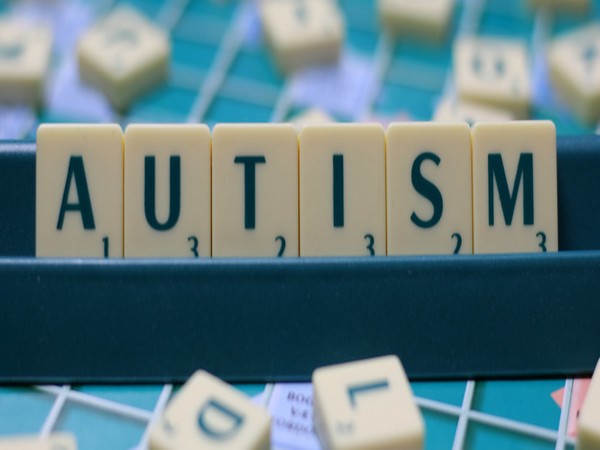
Representative image

New York [US], January 18 (ANI): A large study by researchers at Columbia University Mailman School of Public Health and the Norwegian National Institute of Public Health has identified molecular signatures of gestational inflammation linked to the risk of developing autism spectrum disorder (ASD).
These findings, which provide insights into abnormal brain development, could eventually lead to a test to screen for ASD at birth. The study was published in the journal 'Molecular Psychiatry'.
The new research aligns with growing evidence that the risk of ASD is increased by fetal exposure to inflammation. In earlier studies, the researchers linked ASD risk to prenatal exposure to maternal fever, and to influenza infection and herpesvirus type 2 infection -- two of many potential triggers for maternal inflammation and ASD.
In the new study, researchers analyzed the presence of 60 molecular markers of immune response, including cytokines and growth factors. Blood samples were collected during pregnancy (maternal mid-gestational blood sample) and at birth (cord blood) from 957 children, roughly half of whom were later diagnosed with ASD. The study linked ASD risk to groupings of inflammation-related molecules, with different groupings seen in boys versus girls.
Among the most predictive molecules were interleukins like IL1RA and IL4. Four molecules thought to be involved in fetal brain development were also linked to ASD risk in both sexes: TNFa, Serpin E1, VCAM1, and IL1b. Biomarkers collected at birth were only slightly less predictive than those collected during pregnancy.
"Our research suggests a period of vulnerability during gestation when inflammation can interfere with central nervous system development," said first author Xiaoyu (Jason) Che, PhD, assistant professor of biostatistics in the Center for Infection and Immunity at Columbia Mailman School.
"We found immune signatures in mid-pregnancy blood samples from mothers and in umbilical cord blood from children later diagnosed with autism that correlate with responses to infection, and molecules important for the development of the brain and its blood supply," said study co-first author, Mady Hornig, MD, associate professor of epidemiology at Columbia Mailman School.
"This work illustrates the unique power of prospective cohorts for elucidating the roots of disease," said corresponding author, Ezra Susser, professor of epidemiology and psychiatry.
"This paper is the culmination of more than 20 years of data and sample collection and analysis in collaboration with our colleagues in the Norwegian Institute of Public Health. Our future research will focus on finding the triggers for inflammation and links between those triggers and genetic susceptibility," said W. Ian Lipkin, John Snow Professor of Epidemiology and professor of neurology and pathology. (ANI)


Get the App

What to Read Next

Health

The truth about ‘Eating for Two’ explained by doctors

The truth about ‘Eating for Two’ explained by doctors

Health experts warn that interpreting the advice literally can lead to excessive calorie intake, unhealthy weight gain and a higher risk of Gestational Diabetes Mellitus (GDM), a condition that affects blood sugar levels during pregnancy.

Read More
Health

High-fat keto diet may boost exercise benefits

High-fat keto diet may boost exercise benefits

A new study suggests that eating more fat rather than less could help the body gain greater benefits from exercise when blood sugar levels are high, offering an unexpected perspective on how diet and physical activity work together to support metabolic health.

Read More
Health

Pre-workout supplements may cut sleep in half for young users

Pre-workout supplements may cut sleep in half for young users

A popular fitness trend among young people may be quietly undermining their sleep. A new study led by researchers at the University of Toronto has found that teenagers and young adults who use pre-workout supplements are significantly more likely to experience extremely short sleep durations.

Read More
Health

The more you fear aging, the faster your body may age

The more you fear aging, the faster your body may age

Worrying about getting older especially fearing future health problems may actually speed up aging at the cellular level, according to new research from NYU.

Read More
Health

Scientists reveal how exercise protects brain from Alzheimer's

Scientists reveal how exercise protects brain from Alzheimer's

Exercise may sharpen the mind by repairing the brain's protective shield. Researchers found that physical activity prompts the liver to release an enzyme that removes a harmful protein, causing the blood-brain barrier to become leaky with age.

Read More
Health

MRI scans show exercise can make the brain look younger

MRI scans show exercise can make the brain look younger

New research suggests that consistent aerobic exercise can help keep your brain biologically younger. Adults who exercised regularly for a year showed brains that appeared nearly a year younger than those who didn't change their habits.

Read More
Health

Swedish study reveals when fitness and strength begin to fade

Swedish study reveals when fitness and strength begin to fade

A long-running Swedish study has followed adults for nearly five decades, uncovering when physical decline truly begins. Fitness and strength start slipping around age 35, then worsen gradually with age.

Read More
Health

Memory loss can suddenly speed up with age: Study

Memory loss can suddenly speed up with age: Study

A massive international brain study has revealed that memory decline with age isn't driven by a single brain region or gene, but by widespread structural changes across the brain that build up over time.

Read More
Health

Injection turns sleeping tumour immune cells into cancer fighters

Injection turns sleeping tumour immune cells into cancer fighters

The Korea Advanced Institute of Science and Technology (KAIST) researchers have developed a way to reprogram immune cells already inside tumours into cancer-killing machines.

Read More
Health

Scientists found a way to help ageing guts heal themselves

Scientists found a way to help ageing guts heal themselves

Researchers have discovered a way to help aging intestines heal themselves using CAR T-cell therapy. By targeting senescent cells that build up over time, the treatment boosted gut regeneration, reduced inflammation, and improved nutrient absorption in mice.

Read More
Home About Us Our Products Advertise Contact Us Terms & Condition Privacy Policy

Copyright © aninews.in | All Rights Reserved.


