

ADD ANI AS A TRUSTED SOURCE
googleads
Menu
Health

Study highlights importance of psychological screening in paediatric kidney transplant recipients

Washington DC [USA], May 11 (ANI): A study was presented at the 10th Congress of the International Pediatric Transplant Association on the importance of screening transplant recipients for psychological function, as after receiving a kidney transplant children may experience impaired quality of life.

ANI May 11, 2019 23:05 IST googleads

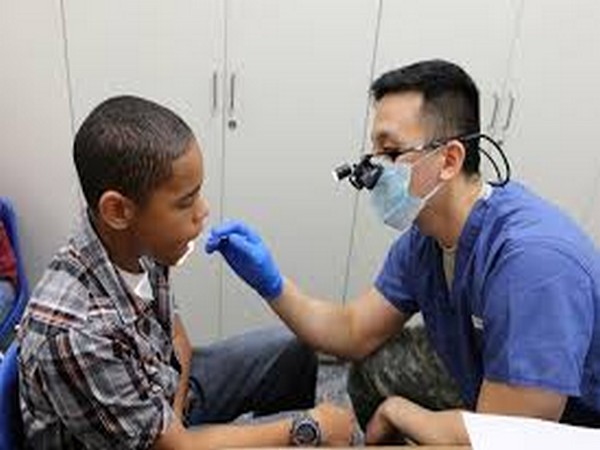
Representative Image

Washington DC [USA], May 11 (ANI): A study was presented at the 10th Congress of the International Pediatric Transplant Association on the importance of screening transplant recipients for psychological function, as after receiving a kidney transplant children may experience impaired quality of life.
The research team at Children's National hospital spoke directly to kids about their quality of life after kidney transplant in order to tailor timely interventions to children. Generally, recipients of kidney transplants have reported impaired quality of life compared with healthy peers, with higher mental health difficulties, disrupted sleep patterns and lingering pain.
The Children's team measured general health-related quality of life using a 23-item PedsQL Generic Core module and measured the transplant-related quality of life using the PedsQL- Transplant Module.
The forms, which can be used for patients as young as 2, take about five to 10 minutes to complete and were provided to the child, the parent or the primary caregiver - as appropriate - during a follow-up visit after the transplant.
33 per cent patient-parent dyads completed the measures, with an additional 25 reports obtained from either the patient or the parent. The patients' mean age was 14.2; 41.4 per cent were female.
"Overall, children who receive kidney transplants had minimal concerns about the quality of life after their operation. While it's comforting that most pediatric patients had no significant problems, the range of quality of life scores indicates that some patients had remarkable difficulties," said Kaushalendra Amatya, the study's lead author.
When the study team reviewed reports given by parents, they found their descriptions sometimes differed in striking ways from the children's answers.
"Parents report lower values on emotional functioning, social functioning and total core quality of life, indicating that parents perceive their children as having more difficulties across these specific domains than the patients' own self reports do," Amatya added. (ANI)

Get the App

What to Read Next

Health

The truth about ‘Eating for Two’ explained by doctors

The truth about ‘Eating for Two’ explained by doctors

Health experts warn that interpreting the advice literally can lead to excessive calorie intake, unhealthy weight gain and a higher risk of Gestational Diabetes Mellitus (GDM), a condition that affects blood sugar levels during pregnancy.

Read More
Health

Pre-workout supplements may cut sleep in half for young users

Pre-workout supplements may cut sleep in half for young users

A popular fitness trend among young people may be quietly undermining their sleep. A new study led by researchers at the University of Toronto has found that teenagers and young adults who use pre-workout supplements are significantly more likely to experience extremely short sleep durations.

Read More
Health

Scientists discover reason high altitude protects against diabete

Scientists discover reason high altitude protects against diabete

Living at high altitude appears to protect against diabetes, and scientists have finally discovered the reason. When oxygen levels drop, red blood cells switch into a new metabolic mode and absorb large amounts of glucose from the blood.

Read More
Health

Scientists find clue to human brain evolution in finger length

Scientists find clue to human brain evolution in finger length

Human evolution has long been tied to growing brain size, and new research suggests prenatal hormones may have played a surprising role. By studying the relative lengths of the index and ring fingers, a marker of prenatal exposure to oestrogen and testosterone, researchers found that higher prenatal oestrogen exposure was associated with larger head size in newborn boys.

Read More
Health

Scientists find hidden synapse hotspots in the teen brain: Study

Scientists find hidden synapse hotspots in the teen brain: Study

The scientists have discovered that the adolescent brain does more than prune old connections. During the teen years, it actively builds dense new clusters of synapses in specific parts of neurons.

Read More
Home About Us Our Products Advertise Contact Us Terms & Condition Privacy Policy

Copyright © aninews.in | All Rights Reserved.




