

ADD ANI AS A TRUSTED SOURCE
googleads
ANI Logo
Menu
Health

Study finds way to prevent age-related metabolic disease

Washington DC [USA], Nov 16 (ANI): In a bid to find a new treatment for improving metabolic health, researchers have discovered why belly fat surrounding organs increases as people age.

ANI Nov 16, 2019 13:13 IST googleads

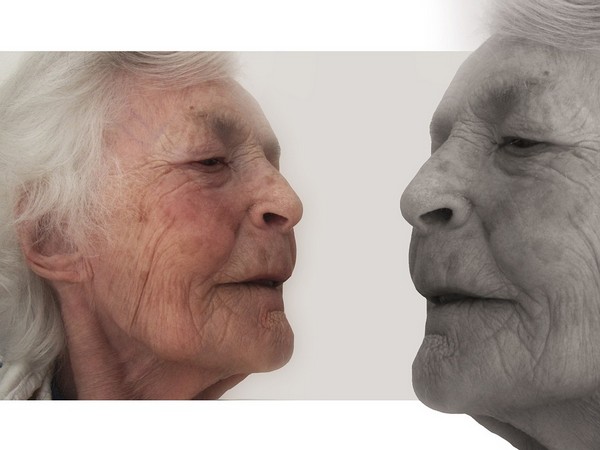
Representative image

Washington DC [USA], Nov 16 (ANI): In a bid to find a new treatment for improving metabolic health, researchers have discovered why belly fat surrounding organs increases as people age.
Led by Dr. Vishwa Deep Dixit, the Waldemar Von Zedtwitz Professor of Comparative Medicine and of Immunobiology, the study was published in 'Cell Metabolism'.
Previous work found that as people age, their body's ability to generate energy by burning the belly fat is reduced. Consequently, the fat that surrounds the internal organs increases in the elderly.
Dixit's lab had found that the immune cells necessary to the fat-burning process, called macrophages, were still active but their overall numbers declined as belly fat increased with aging.
This latest study found that something else is happening as well. Adipose B cells in belly fat unexpectedly proliferated as animals aged, contributing to increased inflammation and metabolic decline.
"These adipose B cells are a unique source of inflammation," Dixit said, "Normally the B cells produce antibodies, and defend against infection. But with aging, the increased adipose B cells become dysfunctional, contributing to metabolic disease."
When they are working correctly, Dixit said, some B cells expand as needed to protect the body from infection, and then contract to baseline. But with aging, they don't contract in belly fat.
"This predisposes an animal to diabetes and metabolic dysfunction like inability to burn fat," he said.
Dixit theorises that this ongoing expansion may be due to increased human life expectancy - a pushing of the body's cells beyond their evolutionary limits. "Several mechanisms in the body are not selected for longevity," he said.
Researchers discovered that adipose B cells expand by receiving signals from nearby macrophages. Relatedly, they found that by reducing the macrophage signal and by removing adipose B cells, they could reverse the expansion process, and protect against an age-induced decline in metabolic health.
This could lead to exciting possibilities for repurposing drugs to target these dysfunctional adipose B cells for improved health outcomes and to protect against metabolic disease, Dixit said. One drug, called cytokine IL-1B, reduces one of the small proteins driving this process and is currently used to protect against heart disease.
"It's important to study whether reducing this cytokine in the elderly can lower B cell expansion in belly fat," Dixit said.
He added that there are also immunotherapy drugs that neutralise B cells that are used in certain cancers. These, too, could be tested for their effectiveness in reducing metabolic disease in elderly people, Dixit added. (ANI)

Get the App

What to Read Next

Health

High-fat keto diet may boost exercise benefits

High-fat keto diet may boost exercise benefits

A new study suggests that eating more fat rather than less could help the body gain greater benefits from exercise when blood sugar levels are high, offering an unexpected perspective on how diet and physical activity work together to support metabolic health.

Read More
Health

The more you fear aging, the faster your body may age

The more you fear aging, the faster your body may age

Worrying about getting older especially fearing future health problems may actually speed up aging at the cellular level, according to new research from NYU.

Read More
Health

Scientists discover reason high altitude protects against diabete

Scientists discover reason high altitude protects against diabete

Living at high altitude appears to protect against diabetes, and scientists have finally discovered the reason. When oxygen levels drop, red blood cells switch into a new metabolic mode and absorb large amounts of glucose from the blood.

Read More
Health

Scientists reveal how exercise protects brain from Alzheimer's

Scientists reveal how exercise protects brain from Alzheimer's

Exercise may sharpen the mind by repairing the brain's protective shield. Researchers found that physical activity prompts the liver to release an enzyme that removes a harmful protein, causing the blood-brain barrier to become leaky with age.

Read More
Health

MRI scans show exercise can make the brain look younger

MRI scans show exercise can make the brain look younger

New research suggests that consistent aerobic exercise can help keep your brain biologically younger. Adults who exercised regularly for a year showed brains that appeared nearly a year younger than those who didn't change their habits.

Read More
Health

Swedish study reveals when fitness and strength begin to fade

Swedish study reveals when fitness and strength begin to fade

A long-running Swedish study has followed adults for nearly five decades, uncovering when physical decline truly begins. Fitness and strength start slipping around age 35, then worsen gradually with age.

Read More
Health

Memory loss can suddenly speed up with age: Study

Memory loss can suddenly speed up with age: Study

A massive international brain study has revealed that memory decline with age isn't driven by a single brain region or gene, but by widespread structural changes across the brain that build up over time.

Read More
Health

Injection turns sleeping tumour immune cells into cancer fighters

Injection turns sleeping tumour immune cells into cancer fighters

The Korea Advanced Institute of Science and Technology (KAIST) researchers have developed a way to reprogram immune cells already inside tumours into cancer-killing machines.

Read More
Health

High-fat diets give liver cancer a dangerous head start: Study

High-fat diets give liver cancer a dangerous head start: Study

A high-fat diet does more than overload the liver with fat. New research from MIT shows that prolonged exposure to fatty foods can push liver cells into a survival mode that quietly raises the risk of cancer.

Read More
Health

Scientists reverse Alzheimer’s in mice and restore memory: Study

Scientists reverse Alzheimer’s in mice and restore memory: Study

Alzheimer's has long been considered irreversible, but new research challenges that assumption. Scientists discovered that severe drops in the brain's energy supply help drive the disease, and restoring that balance can reverse damage, even in advanced cases.

Read More
Home About Us Our Products Advertise Contact Us Terms & Condition Privacy Policy

Copyright © aninews.in | All Rights Reserved.




