

ADD ANI AS A TRUSTED SOURCE
googleads
ANI Logo
Menu
Health

Study finds veterans are reluctant in seeking help for sleep, substance issues

Washington [US], August 11 (ANI): According to a new study from the University Of Missouri School Of Medicine, American military veterans are least willing to seek treatment for the health conditions that are most prevalent in their communities, including sleep and alcohol use problems.

ANI Aug 11, 2022 23:58 IST googleads

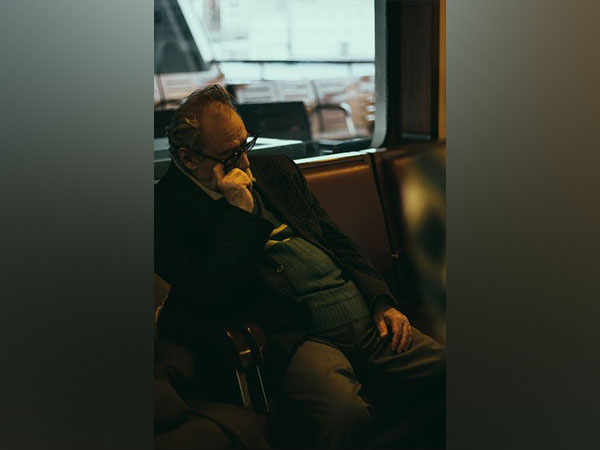
Representative image

Washington [US], August 11 (ANI): According to a new study from the University Of Missouri School Of Medicine, American military veterans are least willing to seek treatment for the health conditions that are most prevalent in their communities, including sleep and alcohol use problems.
The findings also show a link between willingness to seek help among veterans of color and incidence of discrimination.
The study included 334 veterans from 46 states -- 66 per cent were men and more than 70 per cent identified themselves as a person of color. Participants completed screening questions for 15 medical conditions, including insomnia, hazardous alcohol use, drug use, post-traumatic stress disorder (PTSD), anxiety and depression. They also rated the importance of treatment for each health condition and their willingness to seek treatment.
"The majority of participants indicated they would be willing to seek treatment for both physical and mental health problems. However, they reported significantly greater willingness to seek treatment for physical than mental health conditions," said principal investigator Mary Beth Miller, PhD, assistant professor of clinical psychiatry at the MU School of Medicine.
In the study, willingness to seek treatment was greatest for chronic pain, chronic medical conditions and physical brain injuries. Willingness was lowest for alcohol or drug use and sleep disorders.
"We speculate that because sleep and alcohol problems are common, they may be normalized or minimized to the extent that they are no longer viewed as problems - or at least problems that warrant treatment," Miller said.
The study also examined the role discrimination plays in seeking treatment for physical or mental health problems. More frequent experiences of discrimination were associated with less willingness to seek treatment for physical or mental health problems.
"Among veterans of color, discriminatory experiences were associated with less willingness to seek treatment, but only among those who denied use of other strategies for coping with stress," Miller said. "Empowering patients to utilize whatever healthy coping methods they have available may mitigate the negative impact of discriminatory experiences on treatment-seeking." (ANI)


Get the App

What to Read Next

Health

High-fat keto diet may boost exercise benefits

High-fat keto diet may boost exercise benefits

A new study suggests that eating more fat rather than less could help the body gain greater benefits from exercise when blood sugar levels are high, offering an unexpected perspective on how diet and physical activity work together to support metabolic health.

Read More
Health

Pre-workout supplements may cut sleep in half for young users

Pre-workout supplements may cut sleep in half for young users

A popular fitness trend among young people may be quietly undermining their sleep. A new study led by researchers at the University of Toronto has found that teenagers and young adults who use pre-workout supplements are significantly more likely to experience extremely short sleep durations.

Read More
Health

The more you fear aging, the faster your body may age

The more you fear aging, the faster your body may age

Worrying about getting older especially fearing future health problems may actually speed up aging at the cellular level, according to new research from NYU.

Read More
Health

Scientists discover reason high altitude protects against diabete

Scientists discover reason high altitude protects against diabete

Living at high altitude appears to protect against diabetes, and scientists have finally discovered the reason. When oxygen levels drop, red blood cells switch into a new metabolic mode and absorb large amounts of glucose from the blood.

Read More
Health

Scientists reveal how exercise protects brain from Alzheimer's

Scientists reveal how exercise protects brain from Alzheimer's

Exercise may sharpen the mind by repairing the brain's protective shield. Researchers found that physical activity prompts the liver to release an enzyme that removes a harmful protein, causing the blood-brain barrier to become leaky with age.

Read More
Health

Scientists find clue to human brain evolution in finger length

Scientists find clue to human brain evolution in finger length

Human evolution has long been tied to growing brain size, and new research suggests prenatal hormones may have played a surprising role. By studying the relative lengths of the index and ring fingers, a marker of prenatal exposure to oestrogen and testosterone, researchers found that higher prenatal oestrogen exposure was associated with larger head size in newborn boys.

Read More
Health

MRI scans show exercise can make the brain look younger

MRI scans show exercise can make the brain look younger

New research suggests that consistent aerobic exercise can help keep your brain biologically younger. Adults who exercised regularly for a year showed brains that appeared nearly a year younger than those who didn't change their habits.

Read More
Health

Scientists solve a major roadblock in cancer cell therapy: Study 

Scientists solve a major roadblock in cancer cell therapy: Study 

Researchers have found a reliable way to grow helper T cells from stem cells, solving a major challenge in immune-based cancer therapy. Helper T cells act as the immune system's coordinators, helping other immune cells fight longer and harder.

Read More
Health

Swedish study reveals when fitness and strength begin to fade

Swedish study reveals when fitness and strength begin to fade

A long-running Swedish study has followed adults for nearly five decades, uncovering when physical decline truly begins. Fitness and strength start slipping around age 35, then worsen gradually with age.

Read More
Health

Scientists find hidden synapse hotspots in the teen brain: Study

Scientists find hidden synapse hotspots in the teen brain: Study

The scientists have discovered that the adolescent brain does more than prune old connections. During the teen years, it actively builds dense new clusters of synapses in specific parts of neurons.

Read More
Home About Us Our Products Advertise Contact Us Terms & Condition Privacy Policy

Copyright © aninews.in | All Rights Reserved.
