

ADD ANI AS A TRUSTED SOURCE
googleads
ANI Logo
Menu
Health

Study finds single course of antibiotics affects infants' gut microbiota

Helsinki [Finland], May 2 (ANI): A recent study at the University of Helsinki revealed that the fungal microbiota in the gut is more abundant and diverse in children treated with antibiotics compared with the control group even six weeks following the start of the antibiotic course.

ANI May 02, 2022 17:01 IST googleads

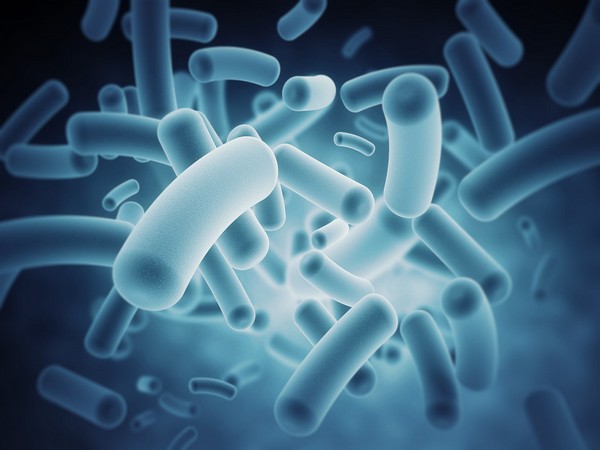
Representative image

Helsinki [Finland], May 2 (ANI): A recent study at the University of Helsinki revealed that the fungal microbiota in the gut is more abundant and diverse in children treated with antibiotics compared with the control group even six weeks following the start of the antibiotic course.
In light of the findings, a reduction in the number of gut bacteria as a result of antibiotic therapy reduces competition for space and leaves more room for fungi to multiply. The study was published in the Journal of Fungi.
"The results of our research strongly indicate that bacteria in the gut regulate the fungal microbiota and keep it under control. When bacteria are disrupted by antibiotics, fungi, Candida, in particular, have the chance to reproduce," says PhD student Rebecka Ventin-Holmberg from the University of Helsinki.
A new key finding in the study was that the changes in the fungal gut microbiota, together with the bacterial microbiota, be part of the cause of the long-term adverse effects of antibiotics on human health.
Long-term changes in infant gut microbiota
Antibiotics are the most commonly prescribed drugs for infants. They cause changes in the gut microbiota at its most important developmental stage. These changes have also been found to be more long-term compared with those of adults.
"Antibiotics can have adverse effects on both the bacterial and the fungal microbiota, which can result in, for example, antibiotic-associated diarrhoea," Ventin-Holmberg says.
"In addition, antibiotics increase the risk of developing chronic inflammatory diseases, such as inflammatory bowel disease (IBD), and they have been found also to have a link to overweight," she adds.
These long-term effects are thought to be caused, at least partly, by an imbalance in the gut microbiota.
In the gut, everything is connected
The recently published study involved infants with a respiratory syncytial virus (RSV) infection who had never previously received antibiotics. While some of the children were given antibiotics due to complications, others received no antibiotic therapy throughout the study.
"Investigating the effects of antibiotics is important for the development of techniques that can be used to avoid chronic inflammatory diseases and other disruptions to the gut microbiota in the future," Ventin-Holmberg emphasises.
While the effect of antibiotics on bacterial microbiota has been previously investigated, studies on fungal microbiota have been scarce. The findings of this study indicate that fungal microbiota may also have a role in the long-term effects of imbalance in the gut microbiota.
"Consequently, future research should focus on all micro-organisms in the gut together to better understand their interconnections and to obtain a better overview of the microbiome as a whole," Ventin-Holmberg notes. (ANI)


Get the App

What to Read Next

Health

Scientists found a way to help ageing guts heal themselves

Scientists found a way to help ageing guts heal themselves

Researchers have discovered a way to help aging intestines heal themselves using CAR T-cell therapy. By targeting senescent cells that build up over time, the treatment boosted gut regeneration, reduced inflammation, and improved nutrient absorption in mice.

Read More
Health

Researchers have decoded rare cancer fighting plant compound

Researchers have decoded rare cancer fighting plant compound

UBC Okanagan researchers have uncovered how plants create mitraphylline, a rare natural compound linked to anti-cancer effects.

Read More
Health

This gut molecule shows remarkable anti-diabetes power: Study

This gut molecule shows remarkable anti-diabetes power: Study

Researchers revealed that the microbial metabolite TMA can directly block the immune protein IRAK4, reducing inflammation and improving insulin sensitivity.

Read More
Health

Common constipation drug can help halt kidney decline: Study

Common constipation drug can help halt kidney decline: Study

A surprising link between constipation and kidney decline led researchers to test lubiprostone, revealing that it can protect kidney function.

Read More
Health

Miracle material’s hidden quantum power could transform future

Miracle material’s hidden quantum power could transform future

Researchers have directly observed Floquet effects in graphene for the first time, settling a long-running scientific debate.

Read More
Health

Risk of long Covid in kids doubles after second infection

Risk of long Covid in kids doubles after second infection

Children and adolescents were twice as likely to experience long Covid after contracting Covid for the second time, compared to their peers with a single previous infection.

Read More
Health

Surgery to treat chronic sinus disease more effective

Surgery to treat chronic sinus disease more effective

A comprehensive clinical trial sponsored by University College London (UCL), the University of East Anglia, and Guy's and St Thomas' NHS Foundation Trust found that sinus surgery is more effective than antibiotics at treating chronic rhinosinusitis.

Read More
Health

Here is how AI can help to understand gut bacteria

Here is how AI can help to understand gut bacteria

Gut bacteria are considered to be a key factor in many health-related issues. However, the number and variety of them are vast, as are the ways in which they interact with the body's chemistry and each other.

Read More
Health

Study suggests obesity contributes to anxiety

Study suggests obesity contributes to anxiety

A new study suggested that obesity and anxiety may be connected through interactions between the gut and the brain.

Read More
Health

High-fat diet sets off metabolic dysfunction in cells

High-fat diet sets off metabolic dysfunction in cells

Researchers find high-fat diets set off metabolic dysfunction in cells, leading to weight gain, but these effects can be reversed by treatment with an antioxidant.

Read More
Home About Us Our Products Advertise Contact Us Terms & Condition Privacy Policy

Copyright © aninews.in | All Rights Reserved.
