 हिंदी खबर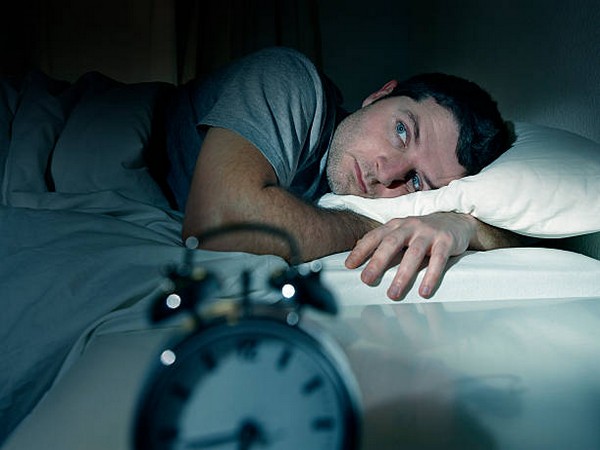

Washington [US], March 8 (ANI): According to a new study led by researchers at the University of Sydney in collaboration with Southern Denmark University, poor sleep could lead to between two and seven years worth of heightened heart disease risk and even premature death.
The study analysed data from over 300,000 middle-aged adults from the UK Biobank and found that different disturbances to sleep are associated with different durations of compromised cardiovascular health later in life compared to healthy sleepers.
In particular, men with clinical sleep-related breathing disorders lost nearly seven years of cardiovascular disease-free life compared to those without these conditions, and women lost over seven years. Importantly, even general poor sleep, such as insufficient sleep, insomnia complaints, snoring, going to bed late, and daytime sleepiness is associated with a loss of around two years of normal heart health in men and women.
"Anyone who's had a few rough nights of sleep knows how it can lead to bad mood and not feeling one's best. Our research shows that, over time, regular poor sleep can lead to significantly compromised cardiovascular health in middle and old age, said Professor Emmanuel Stamatakis from the Charles Perkins Centre and Faculty of Medicine and Health, senior author of the paper in BMC Medicine.
"Sleep apnoea is well known to increase the risk of cardiovascular disease and other chronic conditions, but these findings are a wake-up call that poor sleep in general can pose significant risk to heart health."
How does snoring affect long term health?
The team used an established composite sleep score comprising self-reported sleep duration, insomnia complaints, snoring, daytime sleepiness and whether the person was a night owl or an early bird to come up with three sleep categories: poor, intermediate, and healthy at age 40, and compared this with their overall cardiovascular disease-free health expectancy.
By combining the study participants' self-reported data with clinical data from their doctors in the two years preceding the study, the researchers were able to compare health outcomes for self-reported sleep patterns and clinically diagnosed conditions such as sleep-related breathing disorders. The team categorised participants as poor, intermediate, and healthy sleepers at age 40, and compared their health outcomes at old age.
Women with poor sleep were likely to experience two years more of compromised cardiovascular health compared to healthy sleepers, while men experienced more than two years. Intermediate sleepers lost almost one year of heart disease-free life among women, and men lost slightly more.
This means that snoring and trouble falling asleep or staying asleep can be a warning sign of potential health issues in the future.
"While the average life expectancy of the UK study participants is around 80 years, people with clinically diagnosed sleep-related breathing disorders like sleep apnoea lost over seven years of cardiovascular-disease free life," said the study's lead author Dr Bo-Huei Huang, an epidemiologist recently graduating from the Charles Perkins Centre and Faculty of Medicine and Health.
A wake-up call for health and policy
Professor Peter Cistulli, the ResMed Chair of Sleep Medicine at the Charles Perkins Centre and Royal North Shore Hospital, said that these findings are significant because they extend the findings of previous studies linking poor sleep to important health outcomes.
"Sleep is a vital biological function that has been under-appreciated in public health policy to date. It's gratifying that these findings shine a light on the importance of sleep, and the need for it to be recognised as a pillar of good health, alongside physical activity and nutrition. The time is right to ensure that sleep is recognised in public health policy," said Professor Cistulli. (ANI)




