Study finds COVID patients on antidepressants are less likely to die
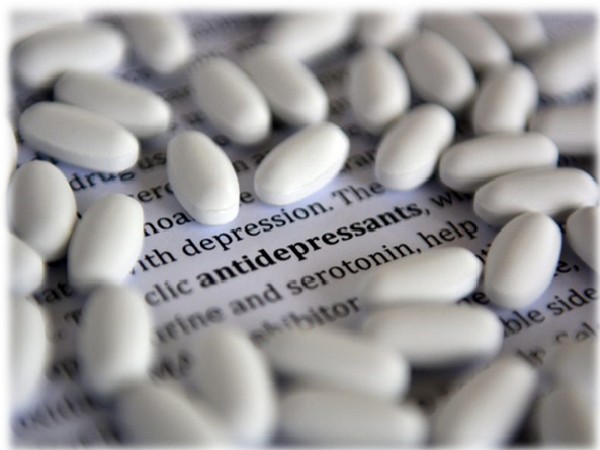
Washington [US], November 16 (ANI): A new study of health records from 87 health care centres across the United States found that people taking a class of antidepressants called selective serotonin reuptake inhibitors (SSRIs) were less likely to die of COVID-19.
ANI
Nov 16, 2021 13:53 IST

Washington [US], November 16 (ANI): A new study of health records from 87 health care centres across the United States found that people taking a class of antidepressants called selective serotonin reuptake inhibitors (SSRIs) were less likely to die of COVID-19.
The findings of the study were published in the journal 'JAMA Network Open'.
The results add to a body of evidence indicating that SSRIs may have beneficial effects against the worst symptoms of COVID-19, although large randomised clinical trials are needed to prove this.
"We can't tell if the drugs are causing these effects, but the statistical analysis is showing significant association. There's power in the numbers," said Marina Sirota, PhD, associate professor of paediatrics and a member of the Bakar Computational Health Sciences Institute (BCHSI) at UC San Francisco.
The UCSF-Stanford research team analysed electronic health records from the Cerner Real World COVID-19 de-identified database, which had information from almost 500,000 patients across the US. This included 83,584 adult patients diagnosed with COVID-19 between January and September 2020. Of those, 3,401 patients were prescribed SSRIs.
The large size of the dataset enabled researchers to compare the outcomes of patients with COVID-19 on SSRIs to a matched set of patients with COVID-19 who were not taking them, thus teasing out the effects of age, sex, race, ethnicity, and comorbidities associated with severe COVID-19, such as diabetes and heart disease, as well as the other medications the patients were taking.
The results showed that patients taking fluoxetine were 28 per cent less likely to die; those taking either fluoxetine or another SSRI called fluvoxamine were 26 per cent less likely to die; the entire group of patients taking any kind of SSRI was 8 per cent less likely to die than the matched patient controls.
Though the effects are smaller than those found in recent clinical trials of new antivirals developed by Pfizer and Merck, the researchers said more treatment options are still needed to help bring the pandemic to an end.
"The results are encouraging. It's important to find as many options as possible for treating any condition. A particular drug or treatment may not work or be well tolerated by everyone. Data from electronic medical records allow us to quickly look into existing drugs that could be repurposed for treating COVID-19 or other conditions," said Tomiko Oskotsky, MD, a research scientist in Sirota's lab at BCHSI.
Other authors include David K. Stevenson, MD, Ivana Maric, PhD, Ronald J Wong, PhD, and Nima Aghaeepour, PhD, of Stanford University; and Alice Tang and Boris Oskotsky, PhD, of UCSF. (ANI)
Get the App