

ADD ANI AS A TRUSTED SOURCE
googleads
ANI Logo
Menu
Health

Study discusses impact of chemotherapy on immune cells

London [UK], April 12 (ANI): The findings of recent research from Queen Mary University of London revealed novel insights into the effects of chemotherapy on the tumour microenvironment (TME).

ANI Apr 12, 2021 08:45 IST googleads

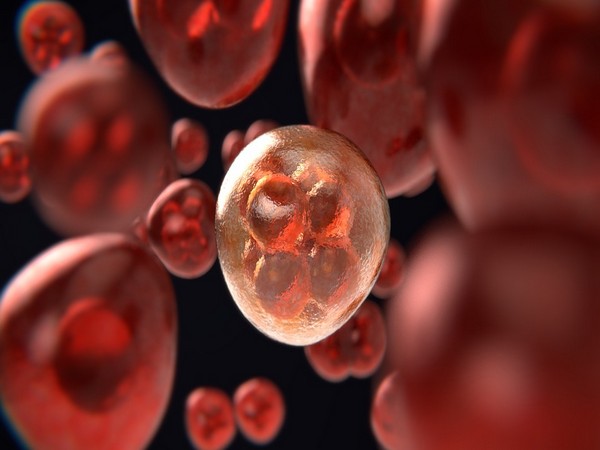
Representative Image

London [UK], April 12 (ANI): The findings of recent research from Queen Mary University of London revealed novel insights into the effects of chemotherapy on the tumour microenvironment (TME).
The study, published today in Cancer Immunology Research, a journal of the American Association for Cancer Research, found that chemotherapy enhances the anti-tumour actions of immune cells within the TME and their ability to support immune responses against cancer.
Cancers are not just a mass of cancerous cells but are rogue organs made up of many different cell types, including cells that form connective tissue and blood vessels, and immune cells. These non-cancerous cells have been recruited and corrupted by cancer to help it grow and spread, and constitute what is known as the TME.
When treating cancer cells with chemotherapy, the cells within the TME are also impacted and previous research has shown that chemotherapy may activate immune cells within the TME to fight against cancer. In this study, the team, led by Professor Fran Balkwill, investigated the effects of chemotherapy on immune cells called macrophages, which are associated with poor survival across a variety of cancer types. The study focused on high-grade serous ovarian cancer (HGSOC) - the most common type of ovarian cancer.
Chemotherapy switches immune cells to anti-tumour mode
By comparing biopsy samples taken from the omentum (most common site of cancer spread in HGSOC) of 26 patients prior to and after chemotherapy, the team found a significant reduction in the number of macrophages present in the tissues following treatment. Further investigations in samples from other HGSOC patients revealed that chemotherapy switched the remaining macrophages from a pro-tumour to an anti-tumour mode, which may stimulate the patient's immune response against cancer.
The effects of chemotherapy on macrophages observed in patient samples were also seen in preclinical mouse models of HGSOC previously developed by the team, which recapitulate many aspects of the human omental TME.
As macrophages are associated with poor survival in cancer, the team took their research a step further to determine whether eliminating all macrophages from the TME after chemotherapy could prolong disease-free survival in the preclinical mouse models. To their surprise, removing all macrophages shortly after the completion of chemotherapy caused the mice to relapse quicker. Following three doses of chemotherapy, the macrophages had switched to an anti-tumour mode, and so eliminating the macrophages from the TME actually inhibited the immune response against the tumour and resulted in poorer survival outcomes.
The research was funded by Cancer Research UK, the Wellcome Trust, and Wellbeing of Women.
Implications for ovarian cancer treatment
Chemotherapy and surgery are currently the main treatment options for patients with ovarian cancer. Despite chemotherapy working well initially, many patients experience relapse due to the development of resistance against these drugs.
Professor Balkwill from the Queen Mary University of London said: "This study enhances our understanding of the impact of chemotherapy on macrophages and other aspects of the immune response. As our work was driven by results first obtained in patient samples and we were able to replicate the findings in our mouse models, we could investigate hypotheses and obtain data that have translational significance.
"We now have effective preclinical models of treatment and relapse that can be used to help identify treatments that build upon the tentative immune response triggered by chemotherapy."
Ultimately, the team hopes that their models could help to identify new drug combinations that harness the initial immune-boosting effects of chemotherapy to reduce the number of required chemotherapy doses, minimise toxic side effects and improve survival for patients with ovarian cancer. (ANI)


Get the App

What to Read Next

Health

The truth about ‘Eating for Two’ explained by doctors

The truth about ‘Eating for Two’ explained by doctors

Health experts warn that interpreting the advice literally can lead to excessive calorie intake, unhealthy weight gain and a higher risk of Gestational Diabetes Mellitus (GDM), a condition that affects blood sugar levels during pregnancy.

Read More
Health

High-fat keto diet may boost exercise benefits

High-fat keto diet may boost exercise benefits

A new study suggests that eating more fat rather than less could help the body gain greater benefits from exercise when blood sugar levels are high, offering an unexpected perspective on how diet and physical activity work together to support metabolic health.

Read More
Health

Pre-workout supplements may cut sleep in half for young users

Pre-workout supplements may cut sleep in half for young users

A popular fitness trend among young people may be quietly undermining their sleep. A new study led by researchers at the University of Toronto has found that teenagers and young adults who use pre-workout supplements are significantly more likely to experience extremely short sleep durations.

Read More
Health

The more you fear aging, the faster your body may age

The more you fear aging, the faster your body may age

Worrying about getting older especially fearing future health problems may actually speed up aging at the cellular level, according to new research from NYU.

Read More
Health

Scientists discover reason high altitude protects against diabete

Scientists discover reason high altitude protects against diabete

Living at high altitude appears to protect against diabetes, and scientists have finally discovered the reason. When oxygen levels drop, red blood cells switch into a new metabolic mode and absorb large amounts of glucose from the blood.

Read More
Health

Scientists reveal how exercise protects brain from Alzheimer's

Scientists reveal how exercise protects brain from Alzheimer's

Exercise may sharpen the mind by repairing the brain's protective shield. Researchers found that physical activity prompts the liver to release an enzyme that removes a harmful protein, causing the blood-brain barrier to become leaky with age.

Read More
Health

MRI scans show exercise can make the brain look younger

MRI scans show exercise can make the brain look younger

New research suggests that consistent aerobic exercise can help keep your brain biologically younger. Adults who exercised regularly for a year showed brains that appeared nearly a year younger than those who didn't change their habits.

Read More
Health

Scientists solve a major roadblock in cancer cell therapy: Study 

Scientists solve a major roadblock in cancer cell therapy: Study 

Researchers have found a reliable way to grow helper T cells from stem cells, solving a major challenge in immune-based cancer therapy. Helper T cells act as the immune system's coordinators, helping other immune cells fight longer and harder.

Read More
Health

Swedish study reveals when fitness and strength begin to fade

Swedish study reveals when fitness and strength begin to fade

A long-running Swedish study has followed adults for nearly five decades, uncovering when physical decline truly begins. Fitness and strength start slipping around age 35, then worsen gradually with age.

Read More
Health

Memory loss can suddenly speed up with age: Study

Memory loss can suddenly speed up with age: Study

A massive international brain study has revealed that memory decline with age isn't driven by a single brain region or gene, but by widespread structural changes across the brain that build up over time.

Read More
Home About Us Our Products Advertise Contact Us Terms & Condition Privacy Policy

Copyright © aninews.in | All Rights Reserved.
