 हिंदी खबर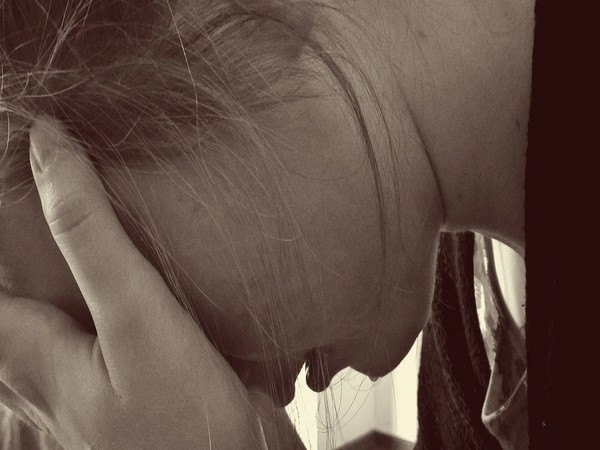

Washington [US], January 14 (ANI): Decades of research show that depression, stress, loneliness, and poor health behaviours can weaken the body's immune system and lower the effectiveness of certain vaccines. A new report suggests that the same may be true for the new COVID-19 vaccines that are in development and the early stages of global distribution.
The report was published in Perspectives on Psychological Science.
Fortunately, it may be possible to reduce these negative effects with simple steps like exercise and sleep.
Vaccines are among the safest and most effective advances in medical history, protecting society from a wide range of otherwise devastating diseases, including smallpox and polio. The key to their success, however, is ensuring that a critical percentage of the population is effectively vaccinated to achieve so-called herd immunity.
Even though rigorous testing has shown that the COVID-19 vaccines approved for distribution in the United States are highly effective at producing a robust immune response, not everyone will immediately gain their full benefit. Environmental factors, as well as an individual's genetics and physical and mental health, can weaken the body's immune system, slowing the response to a vaccine.
This is particularly troubling as the novel coronavirus continues to rage across the world, trigging a concurrent mental health crisis as people deal with isolation, economic stressors, and uncertainty about the future. These challenges are the same factors that have been previously shown to weaken vaccine efficacy, particularly among the elderly.
"In addition to the physical toll of COVID-19, the pandemic has an equally troubling mental health component, causing anxiety and depression, among many other related problems. Emotional stressors like these can affect a person's immune system, impairing their ability to ward off infections," said Annelise Madison, a researcher at The Ohio State University and lead author on the paper.
"Our new study sheds light on vaccine efficacy and how health behaviors and emotional stressors can alter the body's ability to develop an immune response. The trouble is that the pandemic in and of itself could be amplifying these risk factors."
Vaccines work by challenging the immune system. Within hours of a vaccination, there is an innate, general immune response on the cellular level as the body begins to recognize a potential biological threat. This frontline response by the immune system is eventually aided by the production of antibodies, which target specific pathogens. It is the continued production of antibodies that helps to determine how effective a vaccine is at conferring long-term protection.
"In our research, we focus most heavily on the antibody response, though it is just one facet of the adaptive immune system's response," said Janice Kiecolt-Glaser, director of the Institute for Behavioral Medicine Research at The Ohio State University and senior author on the paper.
The good news, according to the researchers, is that the COVID-19 vaccines already in circulation are approximately 95% effective. Even so, these psychological and behavioural factors can lengthen the amount of time it takes to develop immunity and can shorten the duration of immunity.
"The thing that excites me is that some of these factors are modifiable," said Kiecolt-Glaser. "It's possible to do some simple things to maximize the vaccine's initial effectiveness."
Based on prior research, one strategy the researchers suggest is to engage in vigorous exercise and get a good night's sleep in the 24 hours before vaccination so that your immune system is operating at peak performance. This may help ensure that the best and strongest immune response happens as quickly as possible.
"Prior research suggests that psychological and behavioural interventions can improve vaccine responsiveness. Even shorter-term interventions can be effective," said Madison.
"Therefore, now is the time to identify those at risk for a poor immune response and intervene on these risk factors." (ANI)




