

ADD ANI AS A TRUSTED SOURCE
googleads
ANI Logo
Menu
Health

Study analyses changes in diet and body weight as we grow older

Washington D.C. [USA], Jan 20 (ANI): A team of researchers has conducted a detailed study on how leaving school and getting a job can lead to a drop in the amount of physical activity while becoming a mother is linked to increased weight gain.

ANI Jan 20, 2020 12:30 IST googleads

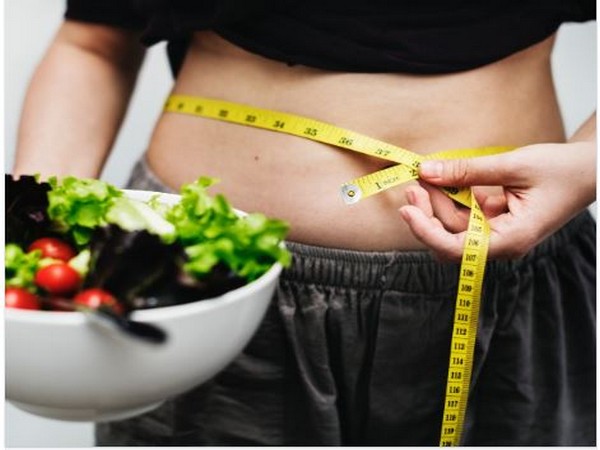
Representative image

Washington D.C. [USA], Jan 20 (ANI): A team of researchers has conducted a detailed study on how leaving school and getting a job can lead to a drop in the amount of physical activity while becoming a mother is linked to increased weight gain.
The research which was published in Obesity Review was led by researchers from the Centre for Diet and Activity Research (CEDAR) at the University of Cambridge.
The study focused on the changes in physical activities, differences in diet and its result in body weight as young adults move from academics to become a parent.
As many leave the stage of adolescence, people tend to put on weight, which is a result of changes in diet, and physical activity.
The team conducted two studies, which studied the transition from high school into employment, and then that of becoming a parent.
The first study found that leaving high school was associated with a decrease of seven minutes per day of moderate-to-vigorous physical activity. The decrease was larger for males than it was for females.
More detailed analysis also showed that the change is largest when people go to university, with overall levels of moderate-to-vigorous physical activity falling by 11.4 minutes per day.
Few studies also revealed that diets decrease in quality on leaving high school and one suggested the same on leaving university.
Dr Eleanor Winpenny from CEDAR and the MRC Epidemiology Unit at the University of Cambridge said: "Children have a relatively protected environment, with healthy food and exercise encouraged within schools, but this evidence suggests that the pressures of the university, employment, and childcare drive changes in behavior which are likely to be bad for long-term health."
Eleanor further stated: "This is a really important time when people are forming healthy or unhealthy habits that will continue through adult life. If we can pinpoint the factors in our adult lives which are driving unhealthy behaviours, we can then work to change them."
In the second study, the team looked at the impact of becoming a parent on weight, diet and physical activity.
The team who studied the second scenario, changes after becoming a parent, found that a woman of average height (164cm) who had no children gained around 7.5kg over five to six years, while a mother of the same height would gain an additional 1.3kg.
Dr Kirsten Corder, also from CEDAR and the MRC Epidemiology Unit said: "BMI increases for women over young adulthood, particularly among those becoming a mother. However, new parents could also be particularly willing to change their behaviour as it may also positively influence their children, rather than solely improve their own health,"
Meanwhile, only one study looked at the impact of becoming a father and found no difference in change. (ANI)

Get the App

What to Read Next

Health

The truth about ‘Eating for Two’ explained by doctors

The truth about ‘Eating for Two’ explained by doctors

Health experts warn that interpreting the advice literally can lead to excessive calorie intake, unhealthy weight gain and a higher risk of Gestational Diabetes Mellitus (GDM), a condition that affects blood sugar levels during pregnancy.

Read More
Health

High-fat keto diet may boost exercise benefits

High-fat keto diet may boost exercise benefits

A new study suggests that eating more fat rather than less could help the body gain greater benefits from exercise when blood sugar levels are high, offering an unexpected perspective on how diet and physical activity work together to support metabolic health.

Read More
Health

Pre-workout supplements may cut sleep in half for young users

Pre-workout supplements may cut sleep in half for young users

A popular fitness trend among young people may be quietly undermining their sleep. A new study led by researchers at the University of Toronto has found that teenagers and young adults who use pre-workout supplements are significantly more likely to experience extremely short sleep durations.

Read More
Health

The more you fear aging, the faster your body may age

The more you fear aging, the faster your body may age

Worrying about getting older especially fearing future health problems may actually speed up aging at the cellular level, according to new research from NYU.

Read More
Health

Scientists reveal how exercise protects brain from Alzheimer's

Scientists reveal how exercise protects brain from Alzheimer's

Exercise may sharpen the mind by repairing the brain's protective shield. Researchers found that physical activity prompts the liver to release an enzyme that removes a harmful protein, causing the blood-brain barrier to become leaky with age.

Read More
Health

Scientists find clue to human brain evolution in finger length

Scientists find clue to human brain evolution in finger length

Human evolution has long been tied to growing brain size, and new research suggests prenatal hormones may have played a surprising role. By studying the relative lengths of the index and ring fingers, a marker of prenatal exposure to oestrogen and testosterone, researchers found that higher prenatal oestrogen exposure was associated with larger head size in newborn boys.

Read More
Health

Scientists solve a major roadblock in cancer cell therapy: Study 

Scientists solve a major roadblock in cancer cell therapy: Study 

Researchers have found a reliable way to grow helper T cells from stem cells, solving a major challenge in immune-based cancer therapy. Helper T cells act as the immune system's coordinators, helping other immune cells fight longer and harder.

Read More
Health

Swedish study reveals when fitness and strength begin to fade

Swedish study reveals when fitness and strength begin to fade

A long-running Swedish study has followed adults for nearly five decades, uncovering when physical decline truly begins. Fitness and strength start slipping around age 35, then worsen gradually with age.

Read More
Health

Scientists find hidden synapse hotspots in the teen brain: Study

Scientists find hidden synapse hotspots in the teen brain: Study

The scientists have discovered that the adolescent brain does more than prune old connections. During the teen years, it actively builds dense new clusters of synapses in specific parts of neurons.

Read More
Health

Memory loss can suddenly speed up with age: Study

Memory loss can suddenly speed up with age: Study

A massive international brain study has revealed that memory decline with age isn't driven by a single brain region or gene, but by widespread structural changes across the brain that build up over time.

Read More
Home About Us Our Products Advertise Contact Us Terms & Condition Privacy Policy

Copyright © aninews.in | All Rights Reserved.


