Social factors key in increased knee injuries among girls, women: Study
Washington [US], March 29 (ANI): A new study has found that social and not just biological factors are responsible for increased knee injuries among girls and women.
ANI
Mar 29, 2021 16:47 IST

Washington [US], March 29 (ANI): A new study has found that social and not just biological factors are responsible for increased knee injuries among girls and women.
The findings of the study were published in the British Journal of Sports Medicine.
Current approaches to a common and debilitating knee injury that occurs more frequently for women than men have focused for too long on biology at the expense of understanding social factors, said the authors of the study.
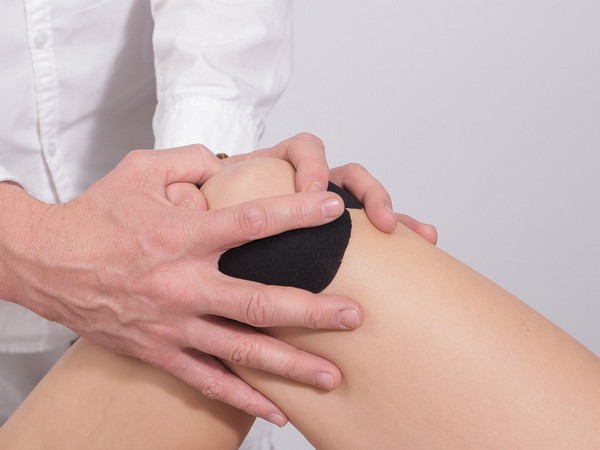
Girls and women are said to be between three to six times more likely to suffer an anterior cruciate ligament (ACL) injury, where one of the key ligaments that helps to stabilise the knee joint is damaged.
The devastating injury, which in extreme cases can be career-ending for professional sportspeople, commonly occurs during sports that involve sudden changes in direction (for example basketball, football/soccer, tennis).
The difference in injury rates for men and women has not changed for two decades, but, this might be partly due to how injury prevention and management has been approached to date. Writing in the BJSM the authors argued that much of the focus still centres on biological and hormonal factors, with little attention paid to how sex-based factors are affected by gender and might influence each other.
They suggested that gendered experiences matter in shaping girls' and women's participation in sport as well as disparities in injury outcomes. They demonstrated how this could play out across the life course with gendered expectations of physical abilities (e.g. 'throw like a girl'), to inequitable access to funding, training, and facilities for women's sport (for example disparities in access to weight training).
Finally, they suggested there may be a difference between post-injury rehabilitation for men and women recovering from an ACL injury. They say that these social and environmental factors play a much bigger role in how sports injuries occur than once thought, and urge that much more attention be given to these topics.
Dr Sheree Bekker from the Department for Health at the University of Bath (UK) explained, "We wanted to unpack the biases and assumptions that we were seeing in research into and practice around sports injuries in girls and women. Specifically, we wanted to challenge the increasingly pervasive idea that this is simply a problem for girls/women because they are inherently prone to injury just because of their female biology. Approaching ACL injury prevention and management from a strictly biological view can propagate sexism in sport with detrimental consequences for girls and women."
Dr Joanne Parsons from the University of Manitoba (Canada) added, "Over 20 years of research focussed on biological traits has failed to decrease the ACL injury rate in girls and women. To make a difference, we need to approach the problem in a different way. The recent challenges that the NCAA women's teams faced with access to adequate training equipment is a perfect example of why we have to include society's influence when talking about injury risk for girls/women."
The NCAA represents the National Collegiate Athletic Association - a non-profit that regulates student athletes from over 1,000 North American institutions whilst also organising athletic programmes reaching nearly 500,000 college student-athletes.
Co-author of the paper Dr Stephanie Coen of the University of Nottingham said, "By extending the focus from individual bodies and biology to the gendered environments contextualising ACL injury, our approach identifies new opportunities to intervene and achieve better outcomes for girls and women, with implications beyond athletes. As childhood and youth physical activity levels influence those in adulthood, the sequelae of ACL injury can be lifelong and particularly concerning for girls and women who already participate in physical activity at lower rates than boys and men. There is a wider health equity issue at stake." (ANI)
Get the App