

ADD ANI AS A TRUSTED SOURCE
googleads
ANI Logo
Menu
Health

Scientists unearth potential viral resistance mechanism

Scientists have unearthed a secret that may explain why some people are able to resist viral infections, having screened the immune systems of women exposed to hepatitis C (HCV) through contaminated anti-D transfusions given over 40 years ago in Ireland.

ANI Nov 06, 2022 21:12 IST googleads

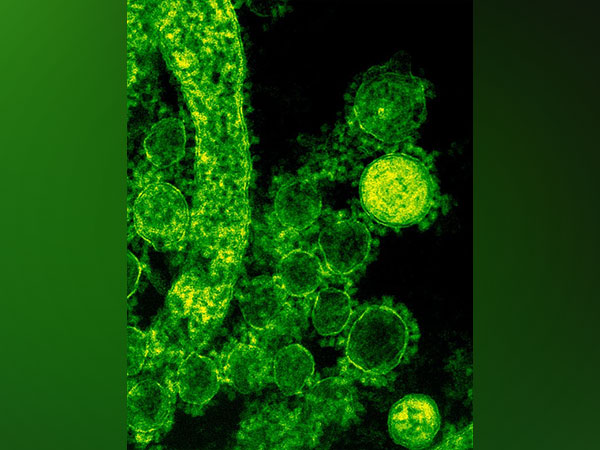
Representative Image

Dublin [Ireland] November 6 (ANI): After screening the immune systems of women who were exposed to hepatitis C (HCV) through contaminated anti-D transfusions given more than 40 years ago in Ireland, researchers from Trinity College Dublin have discovered a secret that may help to explain why some people are able to resist viral infections.
The groundbreaking research, which was just published in the prestigious journal Cell Reports Medicine, has numerous ramifications, ranging from advancing our fundamental understanding of viral resistance to the potential development of treatments for the treatment of infected individuals.
Several thousand women in Ireland were infected with the hepatitis C virus between 1977 and 1979 as a result of tainted anti-D, a drug administered to Rhesus-negative pregnant women carrying Rhesus-positive foetuses that are manufactured from plasma from donated blood. The drug stops the production of potentially harmful antibodies that could arise during later pregnancies. Some of the anti-D used between 1977 and 1979 had hepatitis C contamination.
Three distinct populations emerged from this outbreak: those with a chronic infection, those who were cured of the infection by an antibody response, and those who appeared immune to infection without producing antibodies against hepatitis C.
Cliona O'Farrelly, Professor of Comparative Immunology at Trinity's School of Biochemistry and Immunology, is the senior author of the research article. Cliona, who is based at the Trinity Biomedical Sciences Institute, said:
"We hypothesised that women who seemed to resist HCV infection must have an enhanced innate immune response, which is the ancient part of the immune system that acts as the first line of defence.
"To test this we needed to make contact with women exposed to the virus over forty years ago and ask them to help us by allowing us to study their immune systems to hunt for scientific clues that would explain their differing responses.
"After a nationwide campaign over 100 women came forward and we have gained some unique and important insights. That so many women -- many of whom have lived with medical complications for a long time -- were willing to help is a testament to how much people want to engage with science and help pursue research with the potential to make genuine, positive impacts on society. We are deeply grateful to them."
In the end, the researchers picked up 90 previously infected women and nearly 40 members of the resistant group.
Then, in partnership with the Institut Pasteur in Paris, they requested blood samples from nearly 20 women in each group, which they stimulated with molecules that resemble a viral infection and cause the innate immune system to become active.
Jamie Sugrue, a PhD Candidate in Trinity's School of Biochemistry and Immunology, is the first author of the research article. He said:
"By comparing the response of the resistant women to those who became infected, we found that resistant donors had an enhanced type I interferon response after stimulation. Type I interferons are a key family of antiviral immune mediators that play an important role in defence against viruses including hepatitis C and SARS-CoV-2, or COVID-19.
"We think that the increased type I interferon production by our resistant donors, seen now almost 40 years after the original exposure to hepatitis C, is what protected them against infection.
"These findings are important as resistance to infection is very much an overlooked outcome following the viral outbreak, primarily because identifying resistant individuals is very difficult -- since they do not become sick after viral exposure, they wouldn't necessarily know that they were exposed. That's why cohorts like this, though tragic in nature, are so valuable -- they provide a unique opportunity to study the response to viral infections in an otherwise healthy population."
The lab is currently concentrating its efforts on using these biological discoveries to dissect the genetics of viral resistance in HCV donors. Their research on HCV resistance has already sparked interest in other viral diseases, such as COVID-19-causing SARS-CoV-2, on a global scale. (ANI)


Get the App

What to Read Next

Health

High-fat keto diet may boost exercise benefits

High-fat keto diet may boost exercise benefits

A new study suggests that eating more fat rather than less could help the body gain greater benefits from exercise when blood sugar levels are high, offering an unexpected perspective on how diet and physical activity work together to support metabolic health.

Read More
Health

Pre-workout supplements may cut sleep in half for young users

Pre-workout supplements may cut sleep in half for young users

A popular fitness trend among young people may be quietly undermining their sleep. A new study led by researchers at the University of Toronto has found that teenagers and young adults who use pre-workout supplements are significantly more likely to experience extremely short sleep durations.

Read More
Health

The more you fear aging, the faster your body may age

The more you fear aging, the faster your body may age

Worrying about getting older especially fearing future health problems may actually speed up aging at the cellular level, according to new research from NYU.

Read More
Health

Scientists discover reason high altitude protects against diabete

Scientists discover reason high altitude protects against diabete

Living at high altitude appears to protect against diabetes, and scientists have finally discovered the reason. When oxygen levels drop, red blood cells switch into a new metabolic mode and absorb large amounts of glucose from the blood.

Read More
Health

Scientists find clue to human brain evolution in finger length

Scientists find clue to human brain evolution in finger length

Human evolution has long been tied to growing brain size, and new research suggests prenatal hormones may have played a surprising role. By studying the relative lengths of the index and ring fingers, a marker of prenatal exposure to oestrogen and testosterone, researchers found that higher prenatal oestrogen exposure was associated with larger head size in newborn boys.

Read More
Health

MRI scans show exercise can make the brain look younger

MRI scans show exercise can make the brain look younger

New research suggests that consistent aerobic exercise can help keep your brain biologically younger. Adults who exercised regularly for a year showed brains that appeared nearly a year younger than those who didn't change their habits.

Read More
Health

Scientists find hidden synapse hotspots in the teen brain: Study

Scientists find hidden synapse hotspots in the teen brain: Study

The scientists have discovered that the adolescent brain does more than prune old connections. During the teen years, it actively builds dense new clusters of synapses in specific parts of neurons.

Read More
Health

High-fat diets give liver cancer a dangerous head start: Study

High-fat diets give liver cancer a dangerous head start: Study

A high-fat diet does more than overload the liver with fat. New research from MIT shows that prolonged exposure to fatty foods can push liver cells into a survival mode that quietly raises the risk of cancer.

Read More
Health

Scientists reverse Alzheimer’s in mice and restore memory: Study

Scientists reverse Alzheimer’s in mice and restore memory: Study

Alzheimer's has long been considered irreversible, but new research challenges that assumption. Scientists discovered that severe drops in the brain's energy supply help drive the disease, and restoring that balance can reverse damage, even in advanced cases.

Read More
Health

Hidden blood molecules show surprising anti-ageing power: Study

Hidden blood molecules show surprising anti-ageing power: Study

Scientists have discovered new anti-ageing compounds produced by a little-studied blood bacterium, opening up promising avenues for future skin-rejuvenation therapies.

Read More
Home About Us Our Products Advertise Contact Us Terms & Condition Privacy Policy

Copyright © aninews.in | All Rights Reserved.
