Scientists remove need for anti-rejection drugs in transplant recipients
Washington D.C. [USA], Aug 2 (ANI): Whenever a transplant is done recipients need to take long-term antirejection drugs that suppress the body's immune system. However, anti-rejection drugs are known to cause serious infections and even cancer in recipients. Now, researchers have found a way that would eliminate the need for anti-rejection drugs.
ANI
Aug 02, 2019 19:10 IST

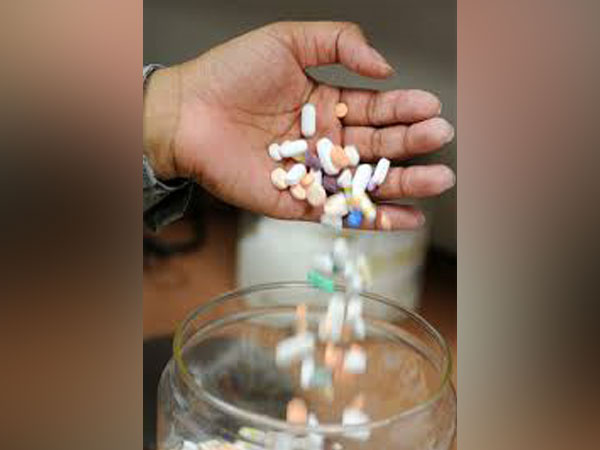
Washington D.C. [USA], Aug 2 (ANI): Whenever a transplant is done recipients need to take long-term anti-rejection drugs that suppress the body's immune system. However, anti-rejection drugs are known to cause serious infections and even cancer in recipients. Now, researchers have found a way that would eliminate the need for anti-rejection drugs.
In the study published in 'Nature Communications', researchers have maintained long-term survival and function of pancreatic islet transplants despite complete discontinuation of all anti-rejection drugs on day 21 after the transplant.
The new study capitalizes on the unique attributes of modified donor white blood cells, which were infused into transplant recipients one week before and one day after the transplant, thereby recapitulating nature's formula for maintaining the body's tolerance of its own tissues and organs.
Without the need for long-term antirejection drugs, islet cell transplants could become the treatment option of choice, and possibly a cure, for many people burdened by type 1 diabetes.
"Our study is the first that reliably and safely induces lasting immune tolerance of transplants in nonhuman primates," said senior author Bernhard Hering, Professor and Vice-Chair of Translational Medicine in the Department of Surgery at the University of Minnesota.
"The consistency with which we were able to induce and maintain tolerance to transplants in nonhuman primates makes us very hopeful that our findings can be confirmed for the benefit of patients in planned clinical trials in pancreatic islet and living-donor kidney transplantation - it would open an entirely new era in transplantation medicine."
To prevent transplant rejection, recipients must take medications long-term that suppress the body's immune system.
The immunosuppressive drugs are effective at preventing rejection over the short term; however, because anti-rejection drugs suppress the immune system nonspecifically, people taking these drugs face the risk of serious infections and even cancer.
Additionally, non-immunological side effects of immunosuppression, such as hypertension, kidney toxicity, diarrhoea, and diabetes diminish the benefits of transplantation.
Finally, immunosuppressive drugs are much less effective at preventing transplant rejection over a long period of time, thereby leading to graft loss in many recipients. (ANI)
Get the App