
ADD ANI AS A TRUSTED SOURCE
googleads
ANI Logo
Menu
Health

Scientists identify connection between brain and bone in Alzheimer's disease

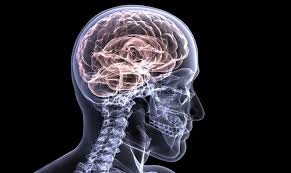
Washington D.C [US], Dec. 2 (ANI): In a recent study, researchers have identified a major connection between areas of the brainstem, the part that controls mood, sleep and metabolism and detrimental changes to bone in a preclinical model of Alzheimer's disease (AD).

ANI Dec 02, 2016 18:46 IST googleads

Scientists identify connection between brain and bone in Alzheimer's disease
Washington D.C [US], Dec. 2 (ANI): In a recent study, researchers have identified a major connection between areas of the brainstem, the part that controls mood, sleep and metabolism and detrimental changes to bone in a preclinical model of Alzheimer's disease (AD). Published in the upcoming issue of the Journal of Alzheimer's Disease, the study was conducted at the Northeast Ohio Medical University. More than five million Americans are living with Alzheimer's disease. Along with being the sixth leading cause of death in the U.S., Alzheimer's has major social, emotional and financial consequences for patients and their families. Incurable and seemingly unstoppable, less than 5 percent of AD cases are due to a clear genetic reason, so it is hard to predict who will be at risk for acquiring this devastating disease. Lead author of the study Dengler-Crish reports that early reductions in bone mineral density (BMD) that occur in a preclinical model of AD are due to degeneration in an area of the brainstem that produces the majority of the brain's serotonin -- a neurochemical that controls mood and sleep, which are two processes that are also affected early in AD. One's bones may be one of the earliest indicators of brain degeneration in Alzheimer's disease Reduced BMD, which sometimes leads to osteoporosis, translates to increased bone fracture risk, decreased quality of life, and increased mortality for AD patients. Furthermore, Dengler-Crish's research suggests that early bone loss and serotonin deficiency in AD may tell us something very important about how we approach diagnosing and treating this disease. "Measurement of bone density, which is routinely performed in the clinic, could serve as a useful biomarker for assessing AD risk in our aging population. The findings of this study motivate us to explore the serotonin system as a potential new therapeutic target for this devastating disease," noted Crish. (ANI)


Get the App

What to Read Next

Health

Scientists reveal how exercise protects brain from Alzheimer's

Scientists reveal how exercise protects brain from Alzheimer's

Exercise may sharpen the mind by repairing the brain's protective shield. Researchers found that physical activity prompts the liver to release an enzyme that removes a harmful protein, causing the blood-brain barrier to become leaky with age.

Read More
Health

Scientists find clue to human brain evolution in finger length

Scientists find clue to human brain evolution in finger length

Human evolution has long been tied to growing brain size, and new research suggests prenatal hormones may have played a surprising role. By studying the relative lengths of the index and ring fingers, a marker of prenatal exposure to oestrogen and testosterone, researchers found that higher prenatal oestrogen exposure was associated with larger head size in newborn boys.

Read More
Health

MRI scans show exercise can make the brain look younger

MRI scans show exercise can make the brain look younger

New research suggests that consistent aerobic exercise can help keep your brain biologically younger. Adults who exercised regularly for a year showed brains that appeared nearly a year younger than those who didn't change their habits.

Read More
Health

Scientists find hidden synapse hotspots in the teen brain: Study

Scientists find hidden synapse hotspots in the teen brain: Study

The scientists have discovered that the adolescent brain does more than prune old connections. During the teen years, it actively builds dense new clusters of synapses in specific parts of neurons.

Read More
Health

Memory loss can suddenly speed up with age: Study

Memory loss can suddenly speed up with age: Study

A massive international brain study has revealed that memory decline with age isn't driven by a single brain region or gene, but by widespread structural changes across the brain that build up over time.

Read More
Health

Scientists reverse Alzheimer’s in mice and restore memory: Study

Scientists reverse Alzheimer’s in mice and restore memory: Study

Alzheimer's has long been considered irreversible, but new research challenges that assumption. Scientists discovered that severe drops in the brain's energy supply help drive the disease, and restoring that balance can reverse damage, even in advanced cases.

Read More
Health

Common constipation drug can help halt kidney decline: Study

Common constipation drug can help halt kidney decline: Study

A surprising link between constipation and kidney decline led researchers to test lubiprostone, revealing that it can protect kidney function.

Read More
Health

Collaborating minds think alike in shared task: Study

Collaborating minds think alike in shared task: Study

When two people work on a shared task, they process information alike, a new study revealed.

Read More
Health

Air pollution may reduce health benefits of exercise: Study

Air pollution may reduce health benefits of exercise: Study

A new study led by researchers at University College London (UCL) shows that chronic exposure to toxic air can significantly diminish the health benefits of regular physical activity.

Read More
Health

This body trait helps keep your brain young: Study

This body trait helps keep your brain young: Study

Scientists discovered that more muscle and less hidden abdominal fat are linked to a younger biological brain age.

Read More
Home About Us Our Products Advertise Contact Us Terms & Condition Privacy Policy

Copyright © aninews.in | All Rights Reserved.



