Scientists find out if new cancer drug can come from potatoes
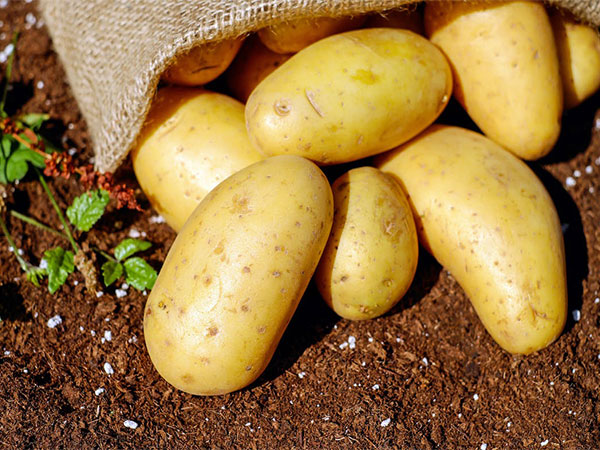
A team of Polish scientists led by Magdalena Winkiel at Adam Mickiewicz University, publishing today in Frontiers in Pharmacology, reviewed the bioactive compounds called glycolalkaloids that are found in many vegetables that are household names, like potatoes and tomatoes, to demonstrate their potential to treat cancer.
ANI
Dec 07, 2022 14:36 IST

Poznan [Poland], December 7 (ANI): Everyone is familiar with a cancer survivor. Around 10 million deaths and 19 million new cases were reported globally in 2020. Although treatments are constantly being improved, they can still harm healthy cells or have unpleasant side effects that are difficult for patients to deal with.
Traditional medicine has a wealth of potential candidates for developing new, more targeted cancer treatments. The glycoalkaloids, bioactive substances found in many well-known crops including potatoes and tomatoes, were examined by a group of Polish researchers at Adam Mickiewicz University under the direction of Magdalena Winkiel to show their potential to treat cancer.
"Scientists worldwide are still searching for the drugs which will be lethal to cancer cells but at the same time safe for healthy cells," said Winkiel. "It is not easy despite the advances in medicine and powerful development of modern treatment techniques. That is why it might be worth going back to medicinal plants that were used years ago with success in the treatment of various ailments. I believe that it is worth re-examining their properties and perhaps rediscovering their potential."
Making medicine from poison: Winkiel and her colleagues focused on five glycoalkaloids - solanine, chaconine, solasonine, solamargine and tomatine - which are found in crude extracts of the Solanaceae family of plants, also known as nightshades.
This family contains many popular food plants - and many that are toxic, frequently because of the alkaloids they produce as a defence against animals that eat plants. But the correct dose can turn a poison into a medicine: once scientists have found a safe therapeutic dose for alkaloids, they can be powerful clinical tools.
Glycoalkaloids in particular inhibit cancer cell growth and may promote cancer cell death. These are key target areas for controlling cancer and improving patient prognoses, so have huge potential for future treatments. In silico studies -- an important first step --suggest that the glycoalkaloids aren't toxic and don't risk damaging DNA or causing future tumours, although there may be some effects on the reproductive system.
"Even if we cannot replace anticancer drugs that are used nowadays, maybe combined therapy will increase the effectiveness of this treatment," Winkiel suggested. "There are many questions, but without detailed knowledge of the properties of glycoalkaloids, we will not be able to find out."
From tomatoes to treatments: One necessary step forward is using in vitro and model animal studies, to determine which glycoalkaloids are safe and promising enough to test in humans. Winkiel and her colleagues highlight glycoalkaloids derived from potatoes, like solanine and chaconine - although the levels of these present in potatoes depend on the cultivar of potatoes and the light and temperature conditions the potatoes are exposed to.
Solanine stops some potentially carcinogenic chemicals from transforming into carcinogens in the body and inhibits metastasis. Studies on a particular type of leukaemia cells also showed that at therapeutic doses, solanine kills them. Chaconine has anti-inflammatory properties, with the potential to treat sepsis.
Meanwhile, solamargine -- which is mostly found in aubergines -- stops liver cancer cells from reproducing. Solamargine is one of several glycoalkaloids that could be crucial as a complementary treatment because it targets cancer stem cells which are thought to play a significant role in cancer drug resistance.
Solasonine, which is found in several plants from the nightshade family, is also thought to attack cancer stem cells by targeting the same pathway. Even tomatoes offer the potential for future medicine, with tomatine supporting the body's regulation of the cell cycle so that it can kill cancer cells.
Winkiel and her team cautioned that more investigation will be required to ascertain how this in vitro promise may be best translated into usable therapy. There is some evidence that high-temperature processing enhances the glycoalkaloid's characteristics, and new research has revealed that nanoparticles enhance the transfer of glycoalkaloids to cancer cells, hence enhancing medication delivery.
Before patients can gain from cancer treatments that come straight from the vegetable garden, however, the mechanisms of action of the glycoalkaloids must be better understood, as well as any potential safety issues. (ANI)
Tags:
Get the App