

ADD ANI AS A TRUSTED SOURCE
googleads
ANI Logo
Menu
Health

Scientists discover bacterium linked to deadly childhood disorder

Washington [US], October 1 (ANI): Scientists at the Center for Infection and Immunity (CII) at Columbia University Mailman School of Public Health have discovered bacteria linked to post-infectious hydrocephalus (PIH), the most common cause of pediatric hydrocephalus worldwide.

ANI Oct 01, 2020 12:53 IST googleads

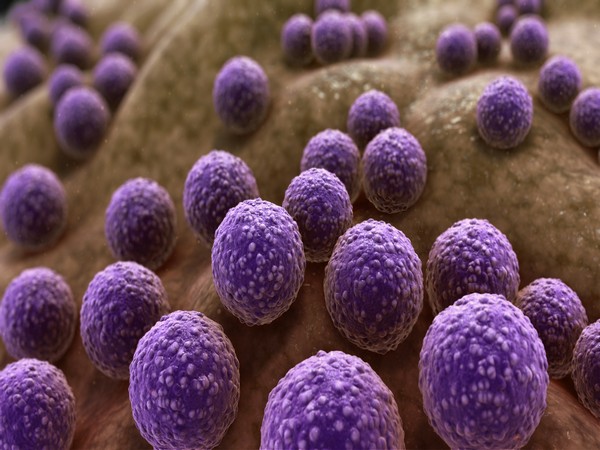
Representative image

Washington [US], October 1 (ANI): Scientists at the Center for Infection and Immunity (CII) at Columbia University Mailman School of Public Health have discovered bacteria linked to post-infectious hydrocephalus (PIH), the most common cause of pediatric hydrocephalus worldwide.
Results of the study led by Pennsylvania State University with CII scientists and clinical colleagues in Uganda are published in the journal Science Translational Medicine.
Hydrocephalus is the most common indication for neurosurgery in children. Of the estimated 400,000 new cases each year, about half are estimated to be post-infectious, with the largest number of cases in low- and middle-income countries, especially sub-Saharan Africa.
Neonatal sepsis often precedes PIH, although the manifestations of hydrocephalus typically emerge in the months following the neonatal period as cerebrospinal fluid accumulates so that cranial expansion garners medical attention. These infants typically die in early childhood without advanced surgical management.
Study co-first author Brent L. Williams, PhD, assistant professor of epidemiology at CII, examined cerebrospinal fluid (CSF) taken from 100 consecutive cases of PIH and control cases of non-post-infectious hydrocephalus (NPIH) in infants in Uganda, testing the samples for evidence of bacterial and fungal microorganisms. He found Paenibacillus species (bacteria) in CSF linked to cases of PIH, not controls.
Williams further quantitated Paenibacillus species in infant CSF samples, finding a high burden of these bacteria in infected patients. The findings were subsequently independently confirmed, and a strain of Paenibacillus was isolated and characterized through further testing by Steven Schiff, MD, the study's senior author, and colleagues at Pennsylvania State University.
The researchers also found that Paenibacillus quantity was associated with clinical measures of hydrocephalus based on brain imaging scores, as well as potential signs of infection based on immune cell counts in patients.
"This discovery has the potential to reduce morbidity and mortality of this central nervous system disease in millions of children in sub-Saharan Africa by shifting treatment from surgery to antibiotics and vaccines," said Co-senior author W. Ian Lipkin, MD, John Snow Professor, and CII Director.
"Now that we have identified a pathogen that may be responsible for some cases of post-infectious hydrocephalus, we can develop new, more sensitive tests to quickly detect an infection, assess its severity, identify the source of such infections, and hopefully provide targeted treatments to prevent the development of hydrocephalus" added Brent Williams. (ANI)


Get the App

What to Read Next

Health

Hidden blood molecules show surprising anti-ageing power: Study

Hidden blood molecules show surprising anti-ageing power: Study

Scientists have discovered new anti-ageing compounds produced by a little-studied blood bacterium, opening up promising avenues for future skin-rejuvenation therapies.

Read More
Health

Scientists find brain chemical tied to trauma and depression

Scientists find brain chemical tied to trauma and depression

Researchers identified SGK1 as a key chemical connecting childhood trauma to depression and suicidal behaviour.

Read More
Health

Dr Dangs Lab launches “Dendrite Dx” on World Alzheimer’s Day

Dr Dangs Lab launches “Dendrite Dx” on World Alzheimer’s Day

Dr Dangs Lab has unveiled Dendrite Dx, an integrated ecosystem for early, non-invasive Alzheimer's diagnosis on 'World Alzheimer's Day.'

Read More
Health

This new drug could be first to stop deadly fatty liver disease

This new drug could be first to stop deadly fatty liver disease

The Researchers at the University of California San Diego School of Medicine have identified a new investigational drug that shows promise in treating metabolic dysfunction-associated steatohepatitis (MASH), a serious form of fatty liver disease linked to obesity and type 2 diabetes that can lead to cirrhosis, liver failure, and even liver cancer.

Read More
Health

Research says heart attacks can actually be infectious

Research says heart attacks can actually be infectious

Scientists from Finland and the UK have uncovered groundbreaking evidence that heart attacks may be triggered by infectious processes rather than just cholesterol and lifestyle factors.

Read More
Health

Gene editing offers solution to saving endangered species

Gene editing offers solution to saving endangered species

Gene editing technologies, such as those used in agriculture and de-extinction efforts, can be repurposed to provide what an international team of scientists describes as a breakthrough approach for restoring genetic variety and rescuing endangered species.

Read More
Health

Childhood cancer survivors face risk of COVID 19

Childhood cancer survivors face risk of COVID 19

The results show that childhood cancer survivors had a lower risk of contracting COVID 19, but were 58 per cent more likely to develop severe disease if they did become infected.

Read More
Health

Genes called 'Introners' proves to be source of gene complexity

Genes called 'Introners' proves to be source of gene complexity

It also provides evidence of eight instances in which introners have transferred between unrelated species in a process called 'horizontal gene transfer,' the first proven examples of this phenomenon.

Read More
Health

Heart rhythm disorder traces to bacterium lurking in gums: Study

Heart rhythm disorder traces to bacterium lurking in gums: Study

New research shows that the gum disease bacterium P. gingivalis can slip into the bloodstream and infiltrate the heart. There, it quietly drives scar tissue buildup -- distorting the heart's architecture, disrupting electrical signals, and raising the risk of atrial fibrillation (AFib).

Read More
Health

Mammal's lifespans linked to brain size: Study

Mammal's lifespans linked to brain size: Study

An international team of scientists led by the University of Bath studied evolutionary differences between mammal species and found that those with bigger brains and longer lifespans tend to invest more heavily in immune-related genes.

Read More
Home About Us Our Products Advertise Contact Us Terms & Condition Privacy Policy

Copyright © aninews.in | All Rights Reserved.


