

ADD ANI AS A TRUSTED SOURCE
googleads
ANI Logo
Menu
Health

Scientists develop new gene therapy for eye disease

Dublin [Ireland], November 27 (ANI): Scientists from Trinity College Dublin have developed a new gene therapy approach that offers promise for one day treating an eye disease that leads to a progressive loss of vision and affects thousands of people across the globe.

ANI Nov 27, 2020 07:29 IST googleads

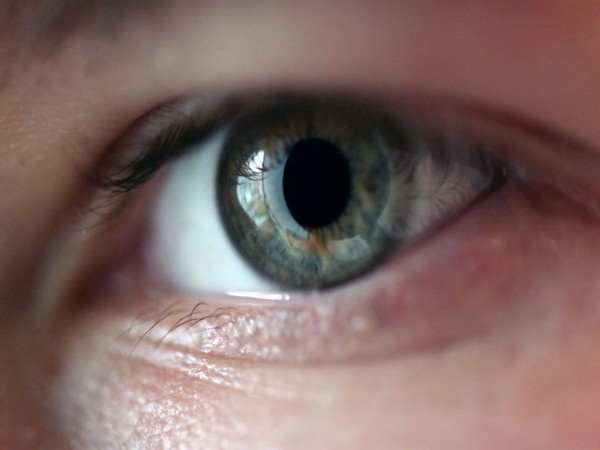
Representative image

Dublin [Ireland], November 27 (ANI): Scientists from Trinity College Dublin have developed a new gene therapy approach that offers promise for one day treating an eye disease that leads to a progressive loss of vision and affects thousands of people across the globe.
The study, which involved a collaboration with clinical teams in the Royal Victoria Eye and Ear Hospital and the Mater Hospital, also has implications for a much wider suite of neurological disorders associated with ageing.
The scientists published their results in leading journal, Frontiers in Neuroscience.
Dominant optic atrophy (DOA)
Characterised by degeneration of the optic nerves, DOA typically starts to cause symptoms in patients in their early adult years. These include moderate vision loss and some colour vision defects, but severity varies, symptoms can worsen over time and some people may become blind. There is currently no way to prevent or cure DOA.
A gene (OPA1) provides instructions for making a protein that is found in cells and tissues throughout the body, and which is pivotal for maintaining proper function in mitochondria, which are the energy producers in cells.
Without the protein made by OPA1, mitochondrial function is sub-optimal and the mitochondrial network which in healthy cells is well interconnected is highly disrupted.
For those living with DOA, it is mutations in OPA1 and the dysfunctional mitochondria that are responsible for the onset and progression of the disorder.
The new gene therapy
The scientists, led by Dr Daniel Maloney and Professor Jane Farrar from Trinity's School of Genetics and Microbiology, have developed a new gene therapy, which successfully protected the visual function of mice who were treated with a chemical targeting the mitochondria and were consequently living with dysfunctional mitochondria.
The scientists also found that their gene therapy improved mitochondrial performance in human cells that contained mutations in the OPA1 gene, offering hope that it may be effective in people.
Dr Maloney, Research Fellow, said:
"We used a clever lab technique that allows scientists to provide a specific gene to cells that need it using specially engineered non-harmful viruses. This allowed us to directly alter the functioning of the mitochondria in the cells we treated, boosting their ability to produce energy which in turn helps protects them from cell damage.
"Excitingly, our results demonstrate that this OPA1-based gene therapy can potentially provide benefit for diseases like DOA, which are due to OPA1 mutations, and also possibly for a wider array of diseases involving mitochondrial dysfunction."
Importantly, mitochondrial dysfunction causes problems in a suite of other neurological disorders such as Alzheimer's and Parkinson's disease. The impacts gradually build up over time, which is why many may associate such disorders with ageing.
Professor Farrar, Research Professor, added:
"We are very excited by the prospect of this new gene therapy strategy, although it is important to highlight that there is still a long journey to complete from a research and development perspective before this therapeutic approach may one day be available as a treatment.
"OPA1 mutations are involved in DOA and so this OPA1-based therapeutic approach is relevant to DOA. However mitochondrial dysfunction is implicated in many neurological disorders that collectively affect millions of people worldwide. We think there is great potential for this type of therapeutic strategy targeting mitochondrial dysfunction to provide benefit and thereby make a major societal impact. Having worked together with patients over many years who live with visual and neurological disorders it would be a privilege to play a role in a treatment that may one day help many." (ANI)


Get the App

What to Read Next

Health

The truth about ‘Eating for Two’ explained by doctors

The truth about ‘Eating for Two’ explained by doctors

Health experts warn that interpreting the advice literally can lead to excessive calorie intake, unhealthy weight gain and a higher risk of Gestational Diabetes Mellitus (GDM), a condition that affects blood sugar levels during pregnancy.

Read More
Health

High-fat keto diet may boost exercise benefits

High-fat keto diet may boost exercise benefits

A new study suggests that eating more fat rather than less could help the body gain greater benefits from exercise when blood sugar levels are high, offering an unexpected perspective on how diet and physical activity work together to support metabolic health.

Read More
Health

Pre-workout supplements may cut sleep in half for young users

Pre-workout supplements may cut sleep in half for young users

A popular fitness trend among young people may be quietly undermining their sleep. A new study led by researchers at the University of Toronto has found that teenagers and young adults who use pre-workout supplements are significantly more likely to experience extremely short sleep durations.

Read More
Health

The more you fear aging, the faster your body may age

The more you fear aging, the faster your body may age

Worrying about getting older especially fearing future health problems may actually speed up aging at the cellular level, according to new research from NYU.

Read More
Health

Scientists discover reason high altitude protects against diabete

Scientists discover reason high altitude protects against diabete

Living at high altitude appears to protect against diabetes, and scientists have finally discovered the reason. When oxygen levels drop, red blood cells switch into a new metabolic mode and absorb large amounts of glucose from the blood.

Read More
Health

Scientists reveal how exercise protects brain from Alzheimer's

Scientists reveal how exercise protects brain from Alzheimer's

Exercise may sharpen the mind by repairing the brain's protective shield. Researchers found that physical activity prompts the liver to release an enzyme that removes a harmful protein, causing the blood-brain barrier to become leaky with age.

Read More
Health

Scientists find clue to human brain evolution in finger length

Scientists find clue to human brain evolution in finger length

Human evolution has long been tied to growing brain size, and new research suggests prenatal hormones may have played a surprising role. By studying the relative lengths of the index and ring fingers, a marker of prenatal exposure to oestrogen and testosterone, researchers found that higher prenatal oestrogen exposure was associated with larger head size in newborn boys.

Read More
Health

MRI scans show exercise can make the brain look younger

MRI scans show exercise can make the brain look younger

New research suggests that consistent aerobic exercise can help keep your brain biologically younger. Adults who exercised regularly for a year showed brains that appeared nearly a year younger than those who didn't change their habits.

Read More
Health

Scientists solve a major roadblock in cancer cell therapy: Study 

Scientists solve a major roadblock in cancer cell therapy: Study 

Researchers have found a reliable way to grow helper T cells from stem cells, solving a major challenge in immune-based cancer therapy. Helper T cells act as the immune system's coordinators, helping other immune cells fight longer and harder.

Read More
Health

Swedish study reveals when fitness and strength begin to fade

Swedish study reveals when fitness and strength begin to fade

A long-running Swedish study has followed adults for nearly five decades, uncovering when physical decline truly begins. Fitness and strength start slipping around age 35, then worsen gradually with age.

Read More
Home About Us Our Products Advertise Contact Us Terms & Condition Privacy Policy

Copyright © aninews.in | All Rights Reserved.


