 हिंदी खबर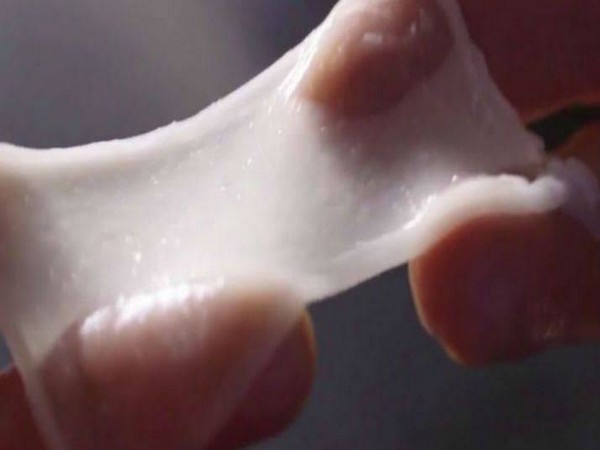

Washington DC [USA], Oct 25 (ANI): The researchers at the University of Bristol in partnership with Telecomm ParisTech and Sorbonne University have created an artificial silicone membrane that can mimic the layers present in human skin, taking touch technologies to the next level.
The Skin-On interface mimics not only human skin in appearance but also in sensing resolution.
The researchers adopted a bio-driven approach to developing surface textured layer, an electrode layer of conductive threads and a hypodermis layer. Not only is the interface more natural than a rigid casing, but it can also detect a plethora of gestures made by the end-users.
The artificial skin allows devices to 'feel' the user's grasp -- its pressure and location and can detect interactions such as tickling, caressing, even twisting and pinching.
"This is the first time we have the opportunity to add skin to our interactive devices. The idea is perhaps a bit surprising, but the skin is an interface we are highly familiar with so why not use it and its richness with the devices we use every day?" said Dr Anne Roudaut, Associate Professor in Human-Computer Interaction at the University of Bristol, who supervised the research.
"Artificial skin has been widely studied in the field of Robotics but with a focus on safety, sensing or cosmetic aims. This is the first research we are aware of that looks at exploiting realistic artificial skin as a new input method for augmenting devices," said Marc Teyssier, the lead author.
In the study, researchers created a phone case, computer touchpad, and smartwatch to demonstrate how touch gestures on the Skin-On interface can convey expressive messages for computer-mediated communication with humans or virtual characters.
"One of the main uses of smartphones is mediated communication, using text, voice, video, or a combination. We implemented a messaging application where users can express rich tactile emotions on artificial skin. The intensity of the touch controls the size of the emojis. A strong grip conveys anger while tickling the skin displays a laughing emoji and tapping creates a surprised emoji" said Marc Teyssier.
"This work explores the intersection between man and machine. We have seen many works trying to augment humans with parts of machines, here we look at the other way around and try to make the devices we use every day more like us, i.e. human-like," said Dr Roudaut. (ANI)
Scientists creates artificial silicone membrane that can mimic layers present in human skin
ANI | Updated: Oct 26, 2019 15:42 IST




