

ADD ANI AS A TRUSTED SOURCE
googleads
ANI Logo
Menu
Health

Road noise could make blood pressures high: Research

"We were a little surprised that the association between road traffic noise and hypertension was robust even after adjustment for air pollution," said Jing Huang, assistant professor in the Department of Occupational and Environmental Health Sciences in the School of Public Health at Peking University in Beijing, China, and lead author of the study.

ANI Mar 24, 2023 15:23 IST googleads

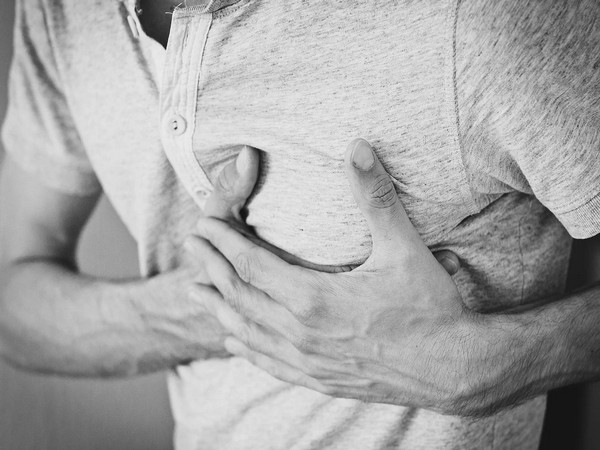
Representative Image.

Beijing [China], March 24 (ANI): If you live near a busy road you might feel like the constant sound of roaring engines, honking horns and wailing sirens makes your blood pressure rise. A new study published in JACC: Advances confirmed the truth.
"We were a little surprised that the association between road traffic noise and hypertension was robust even after adjustment for air pollution," said Jing Huang, assistant professor in the Department of Occupational and Environmental Health Sciences in the School of Public Health at Peking University in Beijing, China, and lead author of the study.
Previous studies of the issue were cross-sectional, meaning they showed that traffic noise and hypertension were linked, but failed to show a causal relationship. For the new paper, researchers conducted a prospective study using UK Biobank data that looked at health outcomes over time.
Researchers analyzed data from more than 240,000 people (aged 40 to 69 years) who started out without hypertension. They estimated road traffic noise based on the residential addresses and the Common Noise Assessment Method, a European modelling tool.
Using follow-up data over a median 8.1 years, they looked at how many people developed hypertension. Not only did they find that people living near road traffic noise were more likely to develop hypertension, they also found that risk increased in tandem with the noise "dose."
These associations held true even when researchers adjusted for exposure to fine particles and nitrogen dioxide. However, people who had high exposure to both traffic noise and air pollution had the highest hypertension risk, showing that air pollution plays a role as well.
"Road traffic noise and traffic-related air pollution coexist around us," Huang said. "It is essential to explore the independent effects of road traffic noise, rather than the total environment."
The findings can support public health measures because they confirm that exposure to road traffic noise is harmful to our blood pressure, she said. Policymaking may alleviate the adverse impacts of road traffic noise as a societal effort, such as setting stricter noise guidelines and enforcement, improving road conditions and urban design, and investing advanced technology in quieter vehicles.
"To date, this is the first large-sized prospective study directly addressing the effect of road traffic noise on the incidence of newly-diagnosed hypertension," said Jiandong Zhang, cardiovascular disease fellow in the division of cardiology at the University of North Carolina at Chapel Hill, and author of the accompanying editorial comment. "The data demonstrated in this article provides a higher quality of evidence to justify the potential to modify road traffic noise and air pollution from both individual and societal levels in improving cardiovascular health."
As a follow-up, Huang said field studies are underway to better understand the pathophysiological mechanisms through which road noise affects hypertension.
The study was supervised by Kazem Rahimi, lead of the Deep Medicine program at the Nuffield Department of Women's and Reproductive Health at the University of Oxford, and Samuel Cai, lecturer in environmental epidemiology at the Centre for Environmental Health and Sustainability at the University of Leicester. (ANI)


Get the App

What to Read Next

Health

The truth about ‘Eating for Two’ explained by doctors

The truth about ‘Eating for Two’ explained by doctors

Health experts warn that interpreting the advice literally can lead to excessive calorie intake, unhealthy weight gain and a higher risk of Gestational Diabetes Mellitus (GDM), a condition that affects blood sugar levels during pregnancy.

Read More
Health

High-fat keto diet may boost exercise benefits

High-fat keto diet may boost exercise benefits

A new study suggests that eating more fat rather than less could help the body gain greater benefits from exercise when blood sugar levels are high, offering an unexpected perspective on how diet and physical activity work together to support metabolic health.

Read More
Health

Pre-workout supplements may cut sleep in half for young users

Pre-workout supplements may cut sleep in half for young users

A popular fitness trend among young people may be quietly undermining their sleep. A new study led by researchers at the University of Toronto has found that teenagers and young adults who use pre-workout supplements are significantly more likely to experience extremely short sleep durations.

Read More
Health

The more you fear aging, the faster your body may age

The more you fear aging, the faster your body may age

Worrying about getting older especially fearing future health problems may actually speed up aging at the cellular level, according to new research from NYU.

Read More
Health

Scientists discover reason high altitude protects against diabete

Scientists discover reason high altitude protects against diabete

Living at high altitude appears to protect against diabetes, and scientists have finally discovered the reason. When oxygen levels drop, red blood cells switch into a new metabolic mode and absorb large amounts of glucose from the blood.

Read More
Health

Scientists reveal how exercise protects brain from Alzheimer's

Scientists reveal how exercise protects brain from Alzheimer's

Exercise may sharpen the mind by repairing the brain's protective shield. Researchers found that physical activity prompts the liver to release an enzyme that removes a harmful protein, causing the blood-brain barrier to become leaky with age.

Read More
Health

Scientists find clue to human brain evolution in finger length

Scientists find clue to human brain evolution in finger length

Human evolution has long been tied to growing brain size, and new research suggests prenatal hormones may have played a surprising role. By studying the relative lengths of the index and ring fingers, a marker of prenatal exposure to oestrogen and testosterone, researchers found that higher prenatal oestrogen exposure was associated with larger head size in newborn boys.

Read More
Health

MRI scans show exercise can make the brain look younger

MRI scans show exercise can make the brain look younger

New research suggests that consistent aerobic exercise can help keep your brain biologically younger. Adults who exercised regularly for a year showed brains that appeared nearly a year younger than those who didn't change their habits.

Read More
Health

Swedish study reveals when fitness and strength begin to fade

Swedish study reveals when fitness and strength begin to fade

A long-running Swedish study has followed adults for nearly five decades, uncovering when physical decline truly begins. Fitness and strength start slipping around age 35, then worsen gradually with age.

Read More
Health

Memory loss can suddenly speed up with age: Study

Memory loss can suddenly speed up with age: Study

A massive international brain study has revealed that memory decline with age isn't driven by a single brain region or gene, but by widespread structural changes across the brain that build up over time.

Read More
Home About Us Our Products Advertise Contact Us Terms & Condition Privacy Policy

Copyright © aninews.in | All Rights Reserved.
