

ADD ANI AS A TRUSTED SOURCE
googleads
ANI Logo
Menu
Health

Researchers use radiomics to predict heart attacks

According to a study published in Radiology, a journal of the Radiological Society of North America, researchers are employing a technique known as radiomics to predict future cardiac events such as heart attacks (RSNA). Radiomics enables researchers to extract quantitative, or quantifiable, data from CT pictures, which can reveal illness traits that would otherwise be invisible in the images.

ANI Feb 14, 2023 22:06 IST googleads

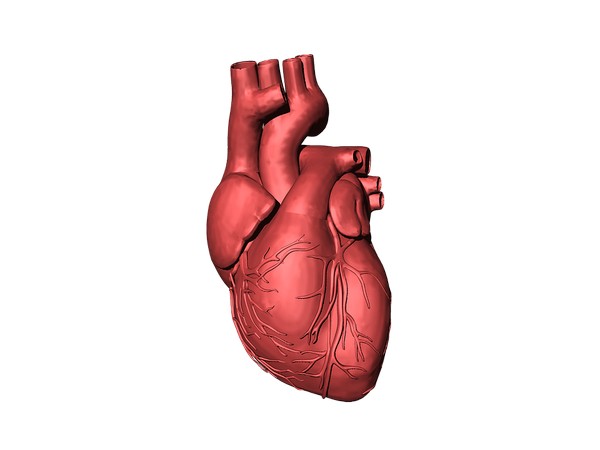
Representative Image

Washington [US], February 14 (ANI): According to a study published in Radiology, a journal of the Radiological Society of North America, researchers are employing a technique known as radiomics to predict future cardiac events such as heart attacks (RSNA). Radiomics enables researchers to extract quantitative, or quantifiable, data from CT pictures, which can reveal illness traits that would otherwise be invisible in the images.
Coronary artery disease is linked with fatty deposits of plaque that build up inside the artery walls. Large, lipid-rich plaques are vulnerable to rupture. The rupture of these plaques causes most heart attacks. However, predicting which plaques will rupture is challenging.
Researchers in China developed a radiomics model that uses information from coronary CT angiography images to assess plaque vulnerability. They developed the model in 299 patients. They then studied the approach in 708 patients with suspected coronary artery disease.
The model enabled the detection of vulnerable plaques associated with an increased risk for major adverse cardiac events like heart attacks. A high radiomic signature was independently associated with these events over a median three-year follow-up.
"The results of this study are encouraging and exciting," said study co-lead author Long Jiang Zhang, M.D., PhD, from the Department of Radiology at Jinling Hospital, Medical School of Nanjing University in Nanjing, China. "Radiomics provided a more accurate approach to detect vulnerable plaques compared to conventional coronary CT angiography anatomical parameters."
The radiomic signature would be easy to add into clinical practice, Dr. Zhang said. In the clinic, it could assess potentially vulnerable plaques and help stratify high-risk patients.
"If the radiomics analysis is embedded into the routine CT angiography workstation, it can automatically identify vulnerable plaques for clinician review," Dr Zhang said. "Thus, radiomics may significantly improve the accuracy and precision of high-risk plaque detection in routine clinical practice."
The researchers intend to build a radiomics model from different scanner types and vendors. They also are planning a larger, multicenter study of 10,000 patients.
"With the support of large observational studies and randomized controlled trials, the radiomics approach may help guide clinical decision-making and improve patient care in the future," Dr Zhang said. (ANI)


Get the App

What to Read Next

Health

The truth about ‘Eating for Two’ explained by doctors

The truth about ‘Eating for Two’ explained by doctors

Health experts warn that interpreting the advice literally can lead to excessive calorie intake, unhealthy weight gain and a higher risk of Gestational Diabetes Mellitus (GDM), a condition that affects blood sugar levels during pregnancy.

Read More
Health

High-fat keto diet may boost exercise benefits

High-fat keto diet may boost exercise benefits

A new study suggests that eating more fat rather than less could help the body gain greater benefits from exercise when blood sugar levels are high, offering an unexpected perspective on how diet and physical activity work together to support metabolic health.

Read More
Health

Pre-workout supplements may cut sleep in half for young users

Pre-workout supplements may cut sleep in half for young users

A popular fitness trend among young people may be quietly undermining their sleep. A new study led by researchers at the University of Toronto has found that teenagers and young adults who use pre-workout supplements are significantly more likely to experience extremely short sleep durations.

Read More
Health

The more you fear aging, the faster your body may age

The more you fear aging, the faster your body may age

Worrying about getting older especially fearing future health problems may actually speed up aging at the cellular level, according to new research from NYU.

Read More
Health

Scientists discover reason high altitude protects against diabete

Scientists discover reason high altitude protects against diabete

Living at high altitude appears to protect against diabetes, and scientists have finally discovered the reason. When oxygen levels drop, red blood cells switch into a new metabolic mode and absorb large amounts of glucose from the blood.

Read More
Health

Scientists find clue to human brain evolution in finger length

Scientists find clue to human brain evolution in finger length

Human evolution has long been tied to growing brain size, and new research suggests prenatal hormones may have played a surprising role. By studying the relative lengths of the index and ring fingers, a marker of prenatal exposure to oestrogen and testosterone, researchers found that higher prenatal oestrogen exposure was associated with larger head size in newborn boys.

Read More
Health

MRI scans show exercise can make the brain look younger

MRI scans show exercise can make the brain look younger

New research suggests that consistent aerobic exercise can help keep your brain biologically younger. Adults who exercised regularly for a year showed brains that appeared nearly a year younger than those who didn't change their habits.

Read More
Health

Scientists find hidden synapse hotspots in the teen brain: Study

Scientists find hidden synapse hotspots in the teen brain: Study

The scientists have discovered that the adolescent brain does more than prune old connections. During the teen years, it actively builds dense new clusters of synapses in specific parts of neurons.

Read More
Health

High-fat diets give liver cancer a dangerous head start: Study

High-fat diets give liver cancer a dangerous head start: Study

A high-fat diet does more than overload the liver with fat. New research from MIT shows that prolonged exposure to fatty foods can push liver cells into a survival mode that quietly raises the risk of cancer.

Read More
Health

Scientists reverse Alzheimer’s in mice and restore memory: Study

Scientists reverse Alzheimer’s in mice and restore memory: Study

Alzheimer's has long been considered irreversible, but new research challenges that assumption. Scientists discovered that severe drops in the brain's energy supply help drive the disease, and restoring that balance can reverse damage, even in advanced cases.

Read More
Home About Us Our Products Advertise Contact Us Terms & Condition Privacy Policy

Copyright © aninews.in | All Rights Reserved.
