 हिंदी खबर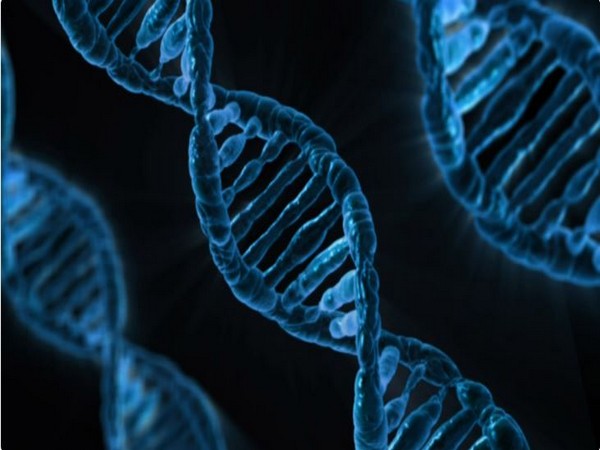

Washington D.C. [USA], Dec 28 (ANI): In an effort to find the origin of various human diseases, a research team has used deep learning approach to predict disease-associated mutations of the metal-binding sites in a protein.
The research was led by Professor Hongzhe Sun from the Department of Chemistry at the University of Hong Kong (HKU) in collaboration with Professor Junwen Wang from Mayo Clinic, Arizona, in the United States.
Artificial intelligence (AI) - a machine capable to mimic human behaviour, has been playing a vital role to uncover the secret behind the biological data using optimised computational algorithms.
AI methods have come handy for scientists to predict disease-associated mutations of the metal-binding sites in our body protein.
The research findings were recently published in a top scientific journal Nature Machine Intelligence.
Physiological metals such as zinc, iron and copper play pivotal roles in our lives and their concentration in cells must be strictly regulated. An excess or deficiency of such metals can cause severe diseases in humans.
The study discovered that there is a specific mutation in the human genome which is strongly associated with different diseases. If these mutations happen in the coding region of DNA, it might disrupt metal-binding sites of the proteins and consequently initiate severe diseases in humans.
Understanding of disease-associated mutations at the metal-binding sites of proteins will facilitate the discovery of new drugs.
Professor Sun said: "Machine learning and AI play important roles in the current biological and chemical science. In my group, we worked on metals in biology and medicine using integrative omics approach including metallomics and metalloproteins, and we already produced a large amount of valuable data using in vivo/vitro experiments."
He further stated, "We now develop an artificial intelligence approach based on deep learning to turn these raw data to valuable knowledge, leading to uncover secrets behind the diseases and to fight with them. I believe this novel deep learning approach can be used in other projects, which is undergoing in our laboratory."
Considering the statistics collected, the team identified that different metals have different disease associations.
A mutation in calcium and magnesium binding sites are associated with muscular and immune system diseases, respectively, while zinc has a major role in breast, liver, kidney, immune system and prostate diseases.
For iron-binding sites, mutations are more associated with metabolic diseases. Furthermore, mutations of manganese and copper-binding sites are associated with cardiovascular diseases with the latter being associated with nervous system related diseases as well. (ANI)
Researchers use deep learning to predict disease related mutations of metal binding sites in protein
ANI | Updated: Dec 28, 2019 10:55 IST


