Researchers find supplements may protect those with low vitamin D levels from severe COVID-19
Washington [US], March 21 (ANI): Patients with low vitamin D levels who are hospitalised for COVID-19 may have a lower risk of dying or requiring mechanical ventilation if they receive vitamin D supplementation of at least 1,000 units weekly, according to a study presented virtually at the Endocrine Society's annual meeting.
ANI
Mar 21, 2021 08:41 IST

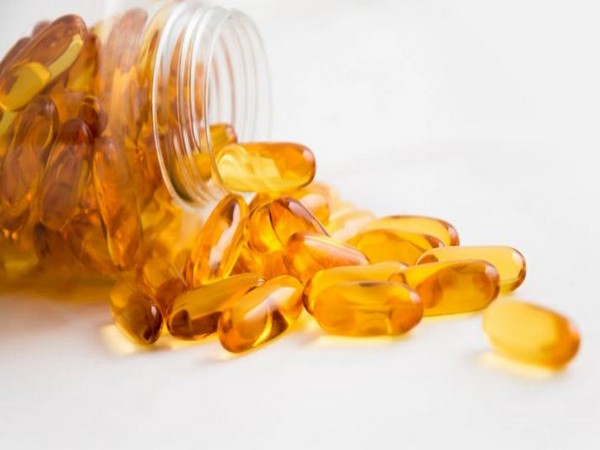
Washington [US], March 21 (ANI): Patients with low vitamin D levels who are hospitalised for COVID-19 may have a lower risk of dying or requiring mechanical ventilation if they receive vitamin D supplementation of at least 1,000 units weekly, according to a study presented virtually at the Endocrine Society's annual meeting.
The findings were published in the Endocrine Society's Journal of Clinical Endocrinology and Metabolism.
"Given how common vitamin D deficiency is in the world and the United States, we believe that this research is highly relevant right now," said co-author Sweta Chekuri, M.D., of Montefiore Health System and Albert Einstein College of Medicine in the Bronx, New York.
Research has shown that vitamin D supplementation can prevent inflammation in other respiratory diseases, but there have been limited studies examining the role of vitamin D supplementation in COVID-19.
The purpose of the study was to determine whether being supplemented with vitamin D before being admitted to the hospital with COVID-19 resulted in less severe COVID-19 disease in patients with a low vitamin D level.
The researchers studied 124 adult patients with low vitamin D that was measured up to 90 days before their admission for COVID-19. They compared the patients who were supplemented with at least 1,000 units of vitamin D weekly to those who had not received vitamin D supplements in terms of whether they were mechanically ventilated or died during admission.
They found that patients who were supplemented were less likely to be mechanically ventilated or to die the following admission, though the finding wasn't statistically significant (37.5 percent of patients who were not supplemented vs. 33.3 percent of those who were) They also found that more than half of those who should have been supplemented were not.
"Though we weren't able to show a definitive link to severe COVID-19, it is clear that patients with low vitamin D should receive supplementation not only for bone health, but also for stronger protection against severe COVID-19," said co-author Corinne Levitus, D.O., of Montefiore Health System and Albert Einstein College of Medicine.
"We hope this research will encourage clinicians to discuss adding this supplement with their patients who have low vitamin D, as this may reduce the odds of people developing severe COVID-19." (ANI)
Get the App