Researchers find impact of drugs on gut microbes
Berlin [Germany], December 11 (ANI): Researchers have found that the medication we take can impact the gut microbiome.
ANI
Dec 11, 2021 16:15 IST

Berlin [Germany], December 11 (ANI): Researchers have found that the medication we take can impact the gut microbiome.
The findings of the study were published in the journal 'Nature'.
We are one of the most medicated generations of humans to live on our planet.
Cardiometabolic diseases like type 2 diabetes, obesity, and coronary artery disease continue to increase in prevalence and together constitute the highest cause of mortality worldwide. Affected people often have to take multiple daily medications for months or even years.
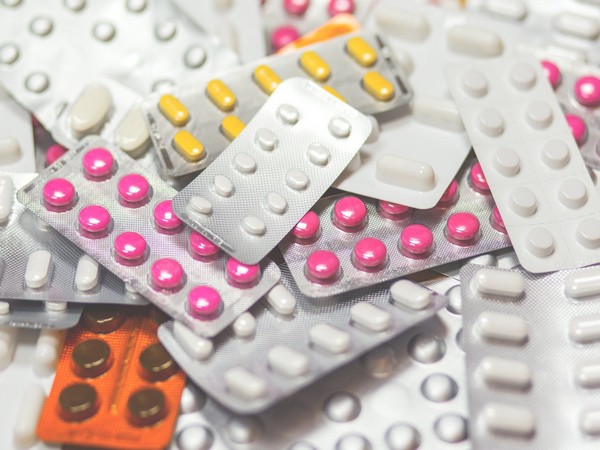
Researchers from the Bork group at EMBL Heidelberg, working together with a European consortium involving more than twenty European institutes, have now shown that many commonly used drugs have powerful effects on our gut microbes. These include drugs used to treat cardiometabolic disorders and antibiotics.
The gut microbiome consists of billions of microorganisms essential to the body's normal functioning.
"We analysed the effects of 28 different drugs and several drug combinations," explained Peer Bork, Director of Scientific Activities at EMBL Heidelberg, "Many drugs negatively impact the composition and state of the gut bacteria, but others, including aspirin, can have a positive influence on the gut microbiome. We found that drugs can have a more pronounced effect on the host-microbiome than disease, diet, and smoking combined."
While the negative and lasting impact of antibiotics on gut bacteria is already well-known, this study showed that such effects likely accumulate over time.
"We found that the gut microbiome of patients taking multiple courses of antibiotics over five years became less healthy. That included signs indicating antimicrobial resistance," said the co-first author of the study Sofia Forslund, a former postdoctoral fellow in the Bork group and now group leader at the Max Delbruck Center for Molecular Medicine (MDC), Berlin.
"We wanted to disentangle the effect that diseases have on host microbiomes from the effect of medications, particularly in patients taking more than one drug at the same time," said co-first author Maria Zimmermann-Kogadeeva, group leader and former postdoc at EMBL Heidelberg.
"Being part of the MetaCardis consortium enabled us to use multi-omics data from more than 2000 patients with cardiometabolic diseases," she added.
The large cohort also allowed the researchers to establish that the dosage of drugs prescribed also has a significant effect on the level of impact on the microbiome.
"We know that the microbiome can reflect the status of a patient's health and provide a range of biomarkers to assess the severity of diseases. What is often overlooked, however, is that the medication used to treat disease also affects the state of the microbiome," added Rima Chakaroun, one of the lead authors of the study and a clinician-scientist at the University of Leipzig Medical Center. Dr Chakaroun is currently a postdoctoral fellow at the Wallenberg Laboratory, University of Gothenburg.
By developing a statistical approach that accounts for the effects of multiple confounding factors, the researchers could tease out the effects of drugs and disease separately.
"We now have a robust methodological framework that makes it possible to get rid of many of the standard errors. That allowed us to show that medication can mask the signatures of disease and conceal potential biomarkers or therapeutic targets," said Professor Bork.
The researchers are hopeful that these results can provide knowledge that could potentially help in drug repurposing as well as in planning individualised treatment and prevention strategies.
The study combined the insight, knowledge and approaches of experts in six countries.
"It was very motivating to work with an interdisciplinary team of clinicians, bioinformaticians, and computational systems biologists to advance our understanding of molecular interactions in cardiometabolic disease," concluded Dr Zimmermann-Kogadeeva. (ANI)
Get the App