

ADD ANI AS A TRUSTED SOURCE
googleads
ANI Logo
Menu
Health

Researchers discover new function of cerebellum

Basel [Switzerland], October 6 (ANI): The cerebellum is most recognised for its role in movement control. The cerebellum is also vital in recalling emotional memories, according to researchers at the University of Basel.

ANI Oct 06, 2022 17:26 IST googleads

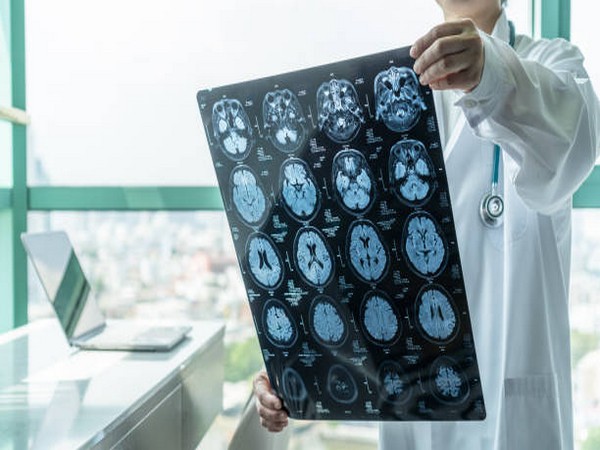
Representative Image

Basel [Switzerland], October 6 (ANI): The cerebellum is most recognised for its role in movement control. The cerebellum is also vital in recalling emotional memories, according to researchers at the University of Basel.
The findings were published in the journal PNAS.
Both positive and negative emotional experiences are stored particularly well in memory. This phenomenon is important to our survival, since we need to remember dangerous situations in order to avoid them in the future. Previous studies have shown that a brain structure called the amygdala, which is important in the processing of emotions, plays a central role in this phenomenon. Emotions activate the amygdala, which in turn facilitates the storage of information in various areas of the cerebrum.
The current research, led by Professor Dominique de Quervain and Professor Andreas Papassotiropoulos at the University of Basel, investigates the role of the cerebellum in storing emotional experiences. In a large-scale study, the researchers showed 1,418 participants emotional and neutral images and recorded the subjects' brain activity using magnetic resonance imaging.
In a memory test conducted later, the positive and negative images were remembered by the participants much better than the neutral images. The improved storage of emotional images was linked with an increase in brain activity in the areas of the cerebrum already known to play a part. However, the team also identified increased activity in the cerebellum.
The cerebellum in communication with the cerebrum
The researchers were also able to demonstrate that the cerebellum shows stronger communication with various areas of the cerebrum during the process of enhanced storage of the emotional images. It receives information from the cingulate gyrus - a region of the brain that is important in the perception and evaluation of feelings. Furthermore, the cerebellum sends out signals to various regions of the brain, including the amygdala and hippocampus. The latter plays a central role in memory storage.
"These results indicate that the cerebellum is an integral component of a network that is responsible for the improved storage of emotional information," says de Quervain. Although an improved memory for emotional events is a crucial mechanism for survival, it does have its downsides: in the case of very negative experiences, it can lead to recurring anxiety. This means that the findings, which have now been released, may also be relevant in understanding psychiatric conditions such as post-traumatic stress disorder.
Basel research on emotions and memory
The current study forms part of a large-scale research project conducted by the Research Platform Molecular and Cognitive Neurosciences (MCN) at the University of Basel and the University Psychiatric Clinics (UPK) Basel. The aim of this project is to gain a better understanding of emotional and cognitive processes and to transfer results from basic research to clinical projects. (ANI)


Get the App

What to Read Next

Health

Memory loss can suddenly speed up with age: Study

Memory loss can suddenly speed up with age: Study

A massive international brain study has revealed that memory decline with age isn't driven by a single brain region or gene, but by widespread structural changes across the brain that build up over time.

Read More
Health

High-fat diets give liver cancer a dangerous head start: Study

High-fat diets give liver cancer a dangerous head start: Study

A high-fat diet does more than overload the liver with fat. New research from MIT shows that prolonged exposure to fatty foods can push liver cells into a survival mode that quietly raises the risk of cancer.

Read More
Health

Scientists reverse Alzheimer’s in mice and restore memory: Study

Scientists reverse Alzheimer’s in mice and restore memory: Study

Alzheimer's has long been considered irreversible, but new research challenges that assumption. Scientists discovered that severe drops in the brain's energy supply help drive the disease, and restoring that balance can reverse damage, even in advanced cases.

Read More
Health

This tiny protein helps control how hungry you feel

This tiny protein helps control how hungry you feel

Researchers have identified a previously overlooked protein that helps regulate appetite and energy use in the body.

Read More
Health

Blocking a single protein forces cancer cells to self-destruct

Blocking a single protein forces cancer cells to self-destruct

Researchers uncovered a powerful weakness in lung cancer by shutting down a protein that helps tumours survive stress.

Read More
Health

Hypertension affects brain much earlier than expected: Study

Hypertension affects brain much earlier than expected: Study

Hypertension may impair the brain far earlier than previously understood -- even before a measurable rise in blood pressure occurs -- according to a new preclinical study from Weill Cornell Medicine. The changes help explain why hypertension is a major risk factor for developing cognitive disorders, such as vascular cognitive impairment and Alzheimer's disease.

Read More
Health

This high-sugar fruit may actually lower diabetes risk: Study

This high-sugar fruit may actually lower diabetes risk: Study

A George Mason University study found that daily mango eaters showed better blood sugar control and less body fat than those eating a lower-sugar snack.

Read More
Health

Dr Dangs Lab launches “Dendrite Dx” on World Alzheimer’s Day

Dr Dangs Lab launches “Dendrite Dx” on World Alzheimer’s Day

Dr Dangs Lab has unveiled Dendrite Dx, an integrated ecosystem for early, non-invasive Alzheimer's diagnosis on 'World Alzheimer's Day.'

Read More
Health

This simple diet could help protect memory: Study

This simple diet could help protect memory: Study

A new study led by investigators from Mass General Brigham, Harvard T.H. Chan School of Public Health, and the Broad Institute of MIT and Harvard suggests that a Mediterranean-style diet may help reduce dementia risk.

Read More
Health

Scientists find hidden proteins that may drive Alzheimer's

Scientists find hidden proteins that may drive Alzheimer's

A surprising new study has uncovered over 200 misfolded proteins in the brains of aging rats with cognitive decline, beyond the infamous amyloid and tau plaques long blamed for Alzheimer's.

Read More
Home About Us Our Products Advertise Contact Us Terms & Condition Privacy Policy

Copyright © aninews.in | All Rights Reserved.
