
Researchers claim to have discovered a new pain organ in skin
Washington D.C. [USA], Aug 16 (ANI): Researchers have discovered a new sensory organ that is able to detect painful mechanical damage such as pricks and impacts.
ANI
Aug 16, 2019 19:12 IST

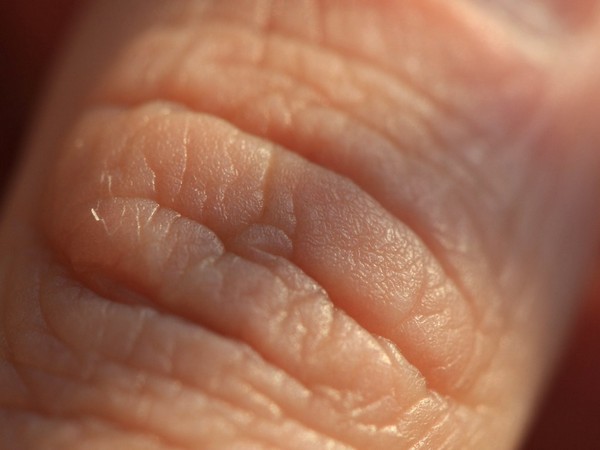
Washington D.C. [USA], Aug 16 (ANI): Researchers have discovered a new sensory organ that is able to detect painful mechanical damage such as pricks and impacts.
Researchers at Karolinska Institutet have discovered this new sensory organ in the skin that is sensitive to hazardous environmental irritation. It is comprised of glia cells with multiple long protrusions and which collectively go to make up a mesh-like organ within the skin.
According to the study published in the journal -- Science -- this organ is sensitive to painful mechanical damage such as pricks and pressure.
The study described what the new pain-sensitive organ looks like, how it is organised together with pain-sensitive nerves in the skin and how activation of the organ results in electrical impulses in the nervous system that result in reflex reactions and experience of pain.
Pain causes suffering and results in substantial costs for society. Almost one person in every five experiences constant pain and there is a considerable need to find new painkilling drugs.
However, sensitivity to pain is also required for survival and it has a protective function. It prompts reflex reactions that prevent damage to tissue, such as pulling your hand away when you feel a jab from a sharp object or when you burn yourself.
The cells that make up the organ are highly sensitive to mechanical stimuli, which explain how they can participate in the detection of painful pinpricks and pressure. In experiments, the researchers also blocked the organ and saw a resultant decreased ability to feel mechanical pain.
"Our study shows that sensitivity to pain does not occur only in the skin's nerve fibers, but also in this recently-discovered pain-sensitive organ," said Patrik Ernfors, professor at Karolinska Institutet's Department of Medical Biochemistry and Biophysics and chief investigator for the study.
"The discovery changes our understanding of the cellular mechanisms of physical sensation and it may be of significance in the understanding of chronic pain," added Prof Ernfors. (ANI)
Tags:
Get the App


