

ADD ANI AS A TRUSTED SOURCE
googleads
ANI Logo
Menu
Health

Research suggests long-term follow-up reduces type 2 diabetes risk

Washington [US], April 7 (ANI): Though type 2 diabetes is an inherited disease, habits can affect the risk of getting it. Obesity due to fatty and high-calorie foods, often in combination with limited activity, increases the risk considerably.

ANI Apr 07, 2022 23:19 IST googleads

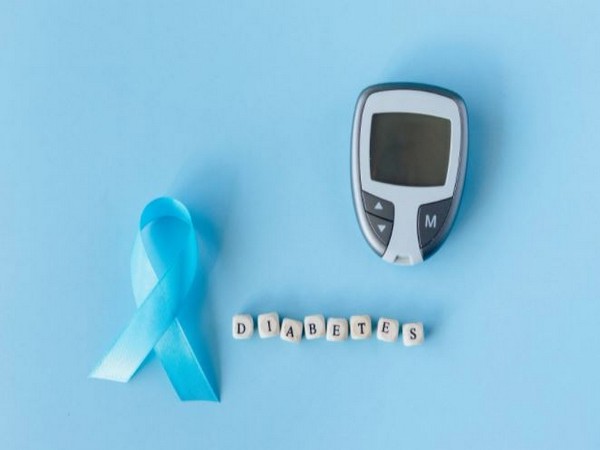
Representative image

Washington [US], April 7 (ANI): Though type 2 diabetes is an inherited disease, habits can affect the risk of getting it. Obesity due to fatty and high-calorie foods, often in combination with limited activity, increases the risk considerably.
A new study at NTNU (The Norwegian University of Science and Technology) and St. Olav's Hospital Centre of Obesity has followed people in the risk group for five years. Participants were offered organized physical activity and courses on diet.
"We're seeing that follow-up from the health services in Norwegian municipalities over a long period of time can help reduce the risk of developing diabetes 2 and improve people's health," says researcher Ingrid Sordal Folling at NTNU's Department of Health and Nursing.
Folling works in the Centre for Obesity Research, Surgical Clinic at St. Olavs Hospital in Trondheim. The study results have been published in the British Medical Journal.
Taking action helps
Worldwide, 350 million people have type 2 diabetes. Approximately 270 000 people in Norway have the disease, a number that has almost doubled in the last 20 years. An additional ten per cent of the population is at risk for developing type 2 diabetes.
Affected individuals either do not produce enough insulin, or their cells resist the hormone, called insulin resistance. This affects blood sugar levels and disrupts the metabolism of nutrients such as carbohydrates, fats and proteins in the body.
However, it often helps to take action, the new research shows. Changes in habits can be beneficial - if you actually implement them. That's where long-term follow-up is needed.
Positive results for many participants
All participants in the study had a BMI of 25 or higher. This corresponds to being overweight or more. The study started with 189 people, and about 70 per cent completed the programme. Many of them had very good results.
"The highest risk group at the start included 65 people. Of this group, more than 40 per cent, or 27 people, reduced their risk to the medium during the five years," says Folling.
Nine people already had symptoms of type 2 diabetes when they started, and six of them reduced their symptoms.
Other research has shown that simple lifestyle advice from people in the health care system does not reduce the risk of developing type 2 diabetes. However, the participants in this study were offered physical activity and dietary courses for one year and were followed up with measurements over a long period, in the case of this study for a full five years. Having a long-term commitment appears to yield much better results.
Youngest and heaviest participants dropped out
Fifty-four of the participants dropped out during the five years, corresponding to just over 30 per cent. We found that many of the youngest participants and those with the highest BMI, waist circumference and weight measurement were among the dropouts.
The researchers do not know exactly why they chose not to carry on. This may have socio-economic reasons since those who did not attend full time had less education and fewer were employed. Another possible explanation is that the training and courses were scheduled during the day, which might have made it more difficult for the younger ones to participate.
Previous experience shows that people who most need the offerings to change their habits are more often the ones who do not take them up, or who quit the programme. (ANI)


Get the App

What to Read Next

Health

The truth about ‘Eating for Two’ explained by doctors

The truth about ‘Eating for Two’ explained by doctors

Health experts warn that interpreting the advice literally can lead to excessive calorie intake, unhealthy weight gain and a higher risk of Gestational Diabetes Mellitus (GDM), a condition that affects blood sugar levels during pregnancy.

Read More
Health

High-fat keto diet may boost exercise benefits

High-fat keto diet may boost exercise benefits

A new study suggests that eating more fat rather than less could help the body gain greater benefits from exercise when blood sugar levels are high, offering an unexpected perspective on how diet and physical activity work together to support metabolic health.

Read More
Health

Pre-workout supplements may cut sleep in half for young users

Pre-workout supplements may cut sleep in half for young users

A popular fitness trend among young people may be quietly undermining their sleep. A new study led by researchers at the University of Toronto has found that teenagers and young adults who use pre-workout supplements are significantly more likely to experience extremely short sleep durations.

Read More
Health

The more you fear aging, the faster your body may age

The more you fear aging, the faster your body may age

Worrying about getting older especially fearing future health problems may actually speed up aging at the cellular level, according to new research from NYU.

Read More
Health

Scientists discover reason high altitude protects against diabete

Scientists discover reason high altitude protects against diabete

Living at high altitude appears to protect against diabetes, and scientists have finally discovered the reason. When oxygen levels drop, red blood cells switch into a new metabolic mode and absorb large amounts of glucose from the blood.

Read More
Health

Scientists reveal how exercise protects brain from Alzheimer's

Scientists reveal how exercise protects brain from Alzheimer's

Exercise may sharpen the mind by repairing the brain's protective shield. Researchers found that physical activity prompts the liver to release an enzyme that removes a harmful protein, causing the blood-brain barrier to become leaky with age.

Read More
Health

Scientists find clue to human brain evolution in finger length

Scientists find clue to human brain evolution in finger length

Human evolution has long been tied to growing brain size, and new research suggests prenatal hormones may have played a surprising role. By studying the relative lengths of the index and ring fingers, a marker of prenatal exposure to oestrogen and testosterone, researchers found that higher prenatal oestrogen exposure was associated with larger head size in newborn boys.

Read More
Health

MRI scans show exercise can make the brain look younger

MRI scans show exercise can make the brain look younger

New research suggests that consistent aerobic exercise can help keep your brain biologically younger. Adults who exercised regularly for a year showed brains that appeared nearly a year younger than those who didn't change their habits.

Read More
Health

Scientists solve a major roadblock in cancer cell therapy: Study 

Scientists solve a major roadblock in cancer cell therapy: Study 

Researchers have found a reliable way to grow helper T cells from stem cells, solving a major challenge in immune-based cancer therapy. Helper T cells act as the immune system's coordinators, helping other immune cells fight longer and harder.

Read More
Health

Swedish study reveals when fitness and strength begin to fade

Swedish study reveals when fitness and strength begin to fade

A long-running Swedish study has followed adults for nearly five decades, uncovering when physical decline truly begins. Fitness and strength start slipping around age 35, then worsen gradually with age.

Read More
Home About Us Our Products Advertise Contact Us Terms & Condition Privacy Policy

Copyright © aninews.in | All Rights Reserved.
