Research reveals patients in intensive cardiac care unit use illicit drugs
Brussels [Belgium], September 3(ANI): According to a study, illicit drug use is associated with a roughly nine-fold greater risk of mortality or life-threatening events in intensive cardiac care unit (ICCU) patients.
ANI
Sep 03, 2022 22:56 IST


Brussels [Belgium], September 3(ANI): According to a study, illicit drug use is associated with a roughly nine-fold greater risk of mortality or life-threatening events in intensive cardiac care unit (ICCU) patients.
The research was presented at ESC Congress 2022.
Study author Dr Theo Pezel of Hospital Lariboisiere, Paris, France said: "Our study shows that patients with acute cardiovascular conditions who take illegal drugs are more likely to die or experience cardiac arrest or cardiogenic shock while in hospital compared with non-users. Multiple drug users had an 11-fold risk of a poor in-hospital prognosis compared with those taking one drug."
Illicit drug use has increased by 22% in the past decade to an estimated 275 million people worldwide.2 In the EU, approximately 83.4 million (29%) of 15 to 64-year-olds have ever used an illicit drug.3 Cannabis, cocaine, ecstasy (3,4-methylenedioxymethamphetamine; MDMA), amphetamines, and heroin or other opioids are the most commonly used substances. Illicit drugs have been linked with acute cardiovascular events including heart attacks and aortic dissection4,5 but the prevalence of drug use in ICCU patients, and the short-term consequences, remain unknown.
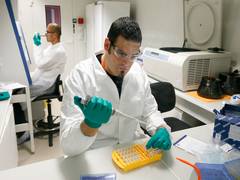
The Addiction in Intensive Cardiac Care Units (ADDICT-ICCU) study assessed the prevalence of illicit drug use and the association with in-hospital major adverse events in consecutive patients admitted for acute cardiovascular events. From 7 to 22 April 2021, all consecutive patients admitted to ICCU in 39 centres throughout France provided a urine sample which was tested for illegal drugs. The primary outcome was the prevalence of illegal drug use. The secondary outcome was in-hospital major adverse events, defined as death, resuscitated cardiac arrest or cardiogenic shock.
A total of 1,499 patients were screened, of which 70% were men. The average age was 63 years. Reasons for admission included myocardial infarction, acute heart failure, arrhythmias, myocarditis and pulmonary embolism. Some 161 patients (10.7%) had a positive test for at least one illicit drug. Regarding the types of drugs, 9.1% tested positive for cannabis, 2.1% for opioids, 1.7% for cocaine, 0.7% for amphetamines and 0.6% for MDMA.
Patients who used illicit drugs tended to be young: one-third (33%) of patients under 40 years of age were users compared with just 6% of those aged 60 years or above. Some 12% of men were users compared to 8% of women. All patients completed a questionnaire in which they were asked if they currently used illicit drugs. Of those with a positive urine drug test, just 56.5% reported current use while 43.5% claimed they did not use drugs.
During a median hospitalisation of five days, 61 patients (4.1%) had a major adverse event. Illicit drug use was associated with an almost nine-fold odds of major adverse events after adjusting for comorbidities (odds ratio [OR] 8.84? 95% confidence interval [CI] 4.68-16.7; p<0.001). After adjustment for age and sex, cannabis use was associated with a three-fold odds of major adverse events (OR=3.53? 95% CI 1.25-9.95; p<0.001) while cocaine was associated with a five-fold odds (OR=5.12? 95% CI 1.48-17.2; p=0.004).
Of those using drugs, 28% took more than one type of drug. Multiple drug use was associated with a higher incidence of major adverse events than single drug use, with an odds ratio of 11.4 (95% CI 4.31-32.7; p<0.001).
Dr Pezel said: "Illicit drug use was common in ICCU patients but under-reported. Users admitted for ST-elevation myocardial infarction (STEMI) and acute heart failure had particularly high risks of death, cardiac arrest or cardiogenic shock with odds ratios of 28.8 and 12.8, respectively. Our results suggest that patients admitted to ICCU should be tested for drugs to identify those with an increased likelihood of detrimental outcomes." (ANI)
Get the App