Research: Potential threat to heart health from extreme weather
An analysis of nearly 2.3 million Europeans has found detrimental associations between cold weather and deaths from heart disease, particularly in poor neighbourhoods. The late-breaking research is presented at ESC Congress 2022.1 Hot weather was linked with excess deaths from heart disease and stroke in patients with heart conditions.
ANI
Nov 17, 2022 17:51 IST

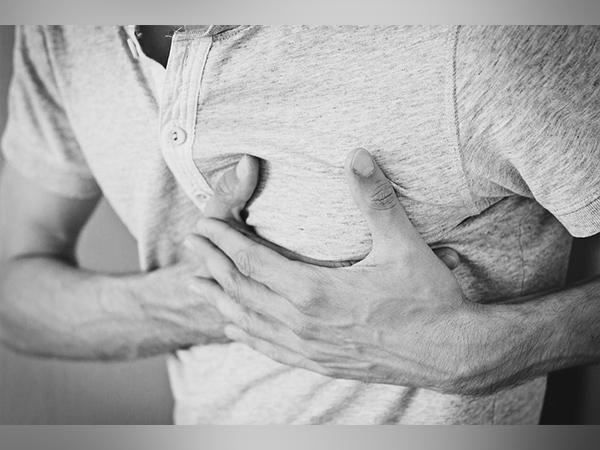
Washington [US], November 17 (ANI): An analysis of nearly 2.3 million Europeans has found detrimental associations between cold weather and deaths from heart disease, particularly in poor neighbourhoods. The late-breaking research is presented at ESC Congress 2022.1 Hot weather was linked with excess deaths from heart disease and stroke in patients with heart conditions.
Study author Professor Stefan Agewall of the University of Oslo, Norway said: "Climate change is leading to a rise in the average global temperature but also extreme cold in some regions. More than 70,000 excess deaths occurred across Europe during the summer of 2003 due to intense heatwaves.2 Cold weather also accounts for excess deaths and hospital admissions.3,4 Previously studies on the cardiovascular effects of heat and cold mainly used aggregated data, such as daily deaths in a city. The EXHAUSTION project used individual data, enabling us to identify vulnerable subgroups for protective interventions, thereby increasing resilience for future weather events."
The analysis included 2.28 million adults from five cohort studies conducted in Italy, Germany, the UK, Norway, and Sweden between 1994 and 2010. The average age ranged from 49.7 years to 71.7 years and the proportion of women ranged from 36.0% to 54.5%. Participants with and without cardiovascular disease at baseline were included. Data on mortality and new-onset disease were collected through death and disease registries and follow up surveys. Daily average air temperatures at participants' home addresses were collected from local weather stations or estimated using modelling of temperature data from weather stations
The relationships between temperature and cardiovascular conditions and death were analysed for all participants and in subgroups with particular characteristics. A time-stratified case-crossover study design was used where for each participant, the researchers compared the temperature on the day of the week an adverse event occurred (e.g. Monday) with the temperature on the same day of the week without an adverse event (e.g. all remaining Mondays) within the same month. Using within-participant comparisons between days in the same month eliminated the potential confounding effects of participant characteristics and time trends.
The analysis found increased risks of death from cardiovascular disease overall and ischaemic heart disease in particular, as well as an elevated risk of new-onset ischaemic heart disease, associated with cold weather. With an approximately 10°C temperature drop, from 5°C to -5°C, there was a 19% greater risk of death from cardiovascular disease (relative risk [RR] 1.19; 95% confidence interval [CI] 1.04-1.36) and a 22% elevated likelihood of death from ischaemic heart disease (RR 1.22; 95% CI 1.07-1.38). There was a 4% higher risk of new-onset ischaemic heart disease associated with an approximately 11°C temperature drop, from 2°C to -9°C (RR 1.04; 95% CI: 1.01-1.08).
Professor Agewall said: "The relationships between cold temperatures and deaths were more pronounced in men and people living in neighbourhoods with a low socioeconomic status. The links between cold and new-onset ischaemic heart disease were stronger among women and people older than 65 years."
Heat was not related to detrimental effects in the overall study population. However, temperature rises from 15°C to 24°C were associated with 25% (RR 1.25; 95% CI 1.12-1.39) and 30% (RR 1.30; 95% CI 1.10-1.53) elevated risks of death from cardiovascular disease and stroke, respectively, in people with heart disease at baseline.
Professor Agewall said: "Clinicians can use this information to provide tailored advice to those most at risk of adverse health outcomes during hot and cold days. Patients with heart conditions should stay hydrated in hot weather and adhere to advice from their cardiologist on medication use. We can all check the news for extreme heat and cold alerts and follow safety tips from local authorities." (ANI)
Tags:
Get the App