

ADD ANI AS A TRUSTED SOURCE
googleads
Menu
Health

Research finds rodents could be asymptomatic carriers of SARS-like coronaviruses

New Jersey [US], November 19 (ANI): According to a new research, ancestral rodents possibly have been infected with SARS-like coronaviruses repeatedly, which has made them form a resistance towards the pathogens. This means that they are likely to be asymptomatic carriers of SARS-like coronaviruses.

ANI Nov 19, 2021 11:29 IST googleads

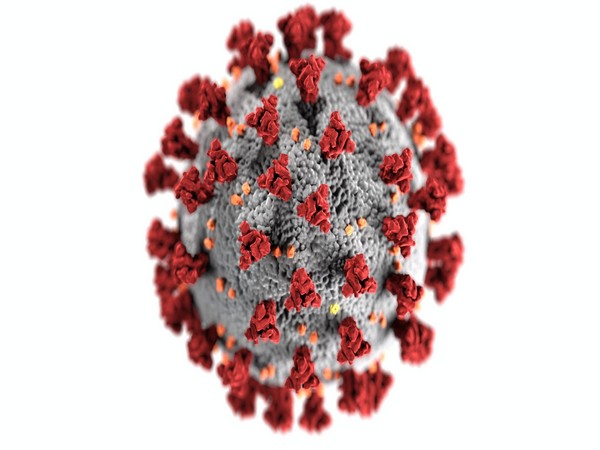
Representative image

New Jersey [US], November 19 (ANI): According to a new research, ancestral rodents possibly have been infected with SARS-like coronaviruses repeatedly, which has made them form a resistance towards the pathogens. This means that they are likely to be asymptomatic carriers of SARS-like coronaviruses.
Conducted by Sean King and Mona Singh of Princeton University, this research was published in 'PLoS Computational Biology Journal'.
SARS-CoV-2, the virus that causes COVID-19 infection, is of zoonotic origin--it jumped from a non-human animal to humans. Previous research has shown that Chinese Horseshoe bats are a host of numerous SARS-like viruses and tolerate these viruses without extreme symptoms.
Identifying other animals that have adapted tolerance mechanisms to coronaviruses is important for awareness of potential viral reservoirs that can spread new pathogens to humans.
In the new research, King and Singh performed an evolutionary analysis, across mammalian species, of the ACE2 receptors, used by SARS viruses to gain entry into mammalian cells.
Primates had highly conserved sequences of amino acids in the sites of the ACE2 receptor known to bind SARS viruses. Rodents, however, had a greater diversity -- and an accelerated rate of evolution -- in these spots.
Overall, the results indicated that SARS-like infections have not been evolutionary drivers in primate history, but that some rodent species have likely been exposed to repeated SARS-like coronavirus infections for a considerable evolutionary period.
"Our study suggests that ancestral rodents may have had repeated infections with SARS-like coronaviruses and have acquired some form of tolerance or resistance to SARS-like coronaviruses as a result of these infections," the authors said.
"This raises the tantalizing possibility that some modern rodent species may be asymptomatic carriers of SARS-like coronaviruses, including those that may not have been discovered yet," the authors added. (ANI)


Get the App

What to Read Next

Health

The truth about ‘Eating for Two’ explained by doctors

The truth about ‘Eating for Two’ explained by doctors

Health experts warn that interpreting the advice literally can lead to excessive calorie intake, unhealthy weight gain and a higher risk of Gestational Diabetes Mellitus (GDM), a condition that affects blood sugar levels during pregnancy.

Read More
Health

High-fat keto diet may boost exercise benefits

High-fat keto diet may boost exercise benefits

A new study suggests that eating more fat rather than less could help the body gain greater benefits from exercise when blood sugar levels are high, offering an unexpected perspective on how diet and physical activity work together to support metabolic health.

Read More
Health

Pre-workout supplements may cut sleep in half for young users

Pre-workout supplements may cut sleep in half for young users

A popular fitness trend among young people may be quietly undermining their sleep. A new study led by researchers at the University of Toronto has found that teenagers and young adults who use pre-workout supplements are significantly more likely to experience extremely short sleep durations.

Read More
Health

The more you fear aging, the faster your body may age

The more you fear aging, the faster your body may age

Worrying about getting older especially fearing future health problems may actually speed up aging at the cellular level, according to new research from NYU.

Read More
Health

Scientists reveal how exercise protects brain from Alzheimer's

Scientists reveal how exercise protects brain from Alzheimer's

Exercise may sharpen the mind by repairing the brain's protective shield. Researchers found that physical activity prompts the liver to release an enzyme that removes a harmful protein, causing the blood-brain barrier to become leaky with age.

Read More
Home About Us Our Products Advertise Contact Us Terms & Condition Privacy Policy

Copyright © aninews.in | All Rights Reserved.
