

ADD ANI AS A TRUSTED SOURCE
googleads
ANI Logo
Menu
Health

Research finds gut-brain connection for social behavior

Social behavior is a complex phenomenon involving many parts of the brain. Researchers found that gut microorganisms cut out excess connections in brain circuits for social development.

ANI Nov 02, 2022 03:55 IST googleads

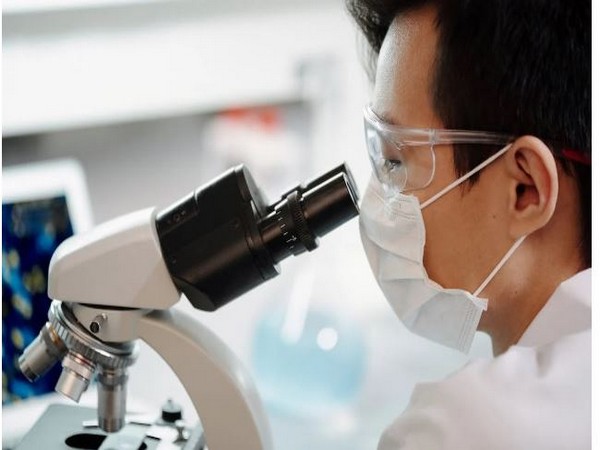
Represntative Image

Washington [US], November 2 (ANI): According to a recent study, gut microorganisms stimulate specialised cells to cut out excess connections in brain circuits that drive social behaviour. Pruning is required for proper social conduct to emerge.
The researchers also found that these 'social' neurons are similar in zebrafish and mice. That suggests the findings might translate between species -- and could possibly point the way to treatments for a range of neurodevelopmental conditions.
"This is a big step forward," said UO neuroscientist Judith Eisen, who co-led the work with neuroscientist Philip Washbourne. "It also sheds light on things that are going on in larger, furrier animals."
The team reports their findings in two new papers, published in PLOS Biology and BMC Genomics.
While social behavior is a complex phenomenon involving many parts of the brain, Washbourne's lab previously identified a set of neurons in the zebrafish brain that are required for one particular kind of social interaction. Normally, if two zebrafish see each other through a glass partition, they'll approach each other and swim side by side. But zebrafish without these neurons don't show interest.
Here, the team found a pathway linking microbes in the gut to these neurons in the brain. In healthy fish, gut microbes spurred cells called microglia to prune back extra links between neurons.
Pruning is a normal part of healthy brain development. Like clutter on a counter, extra neural connections can get in the way of the ones that really matter, resulting in muddled messages.
In zebrafish without those gut microbes, the pruning didn't happen, and the fish showed social deficits.
"We've known for a while that the microbiome influences a lot of things during development," Washbourne said. "But there hasn't been a lot of concrete data about how the microbiome is influencing the brain. We've done quite a bit to push the boundary there."
In a second paper, the team identified two defining features of this set of social neurons that may be shared by mice and zebrafish. One is that these cells could be identified by having similar genes turned on--a clue that they might serve similar roles in the brains of both species. Such signature signs could be used to identify neurons that serve this role in different brains. The other is that "neurons with the same gene signature in mice are in approximately the same brain locations as the zebrafish social neurons," Eisen said.
That finding strengthens the researchers' belief that their work in zebrafish could translate to mice or humans. It's easier to study the nuts and bolts of brain development in zebrafish, where scientists can watch neural circuits form through the young fish's transparent bodies. Researchers could then take the insights from zebrafish and use them as a starting place for understanding other species.
Both gut microbiome disruption and poor neural synapse pruning have been linked to a range of neuropsychiatric conditions like autism spectrum disorder.
"If we can tie these together, it might facilitate better therapeutics for a wide range of disorders," said Joseph Bruckner, a postdoc in the Eisen and Washbourne labs and the first author on the PLOS Biology paper. His next step is figuring out what molecules are linking the bacteria to the microglia, mapping the pathway between microbes and behavior in even more detail. (ANI)


Get the App

What to Read Next

Health

Scientists discover reason high altitude protects against diabete

Scientists discover reason high altitude protects against diabete

Living at high altitude appears to protect against diabetes, and scientists have finally discovered the reason. When oxygen levels drop, red blood cells switch into a new metabolic mode and absorb large amounts of glucose from the blood.

Read More
Health

Scientists reveal how exercise protects brain from Alzheimer's

Scientists reveal how exercise protects brain from Alzheimer's

Exercise may sharpen the mind by repairing the brain's protective shield. Researchers found that physical activity prompts the liver to release an enzyme that removes a harmful protein, causing the blood-brain barrier to become leaky with age.

Read More
Health

Scientists find clue to human brain evolution in finger length

Scientists find clue to human brain evolution in finger length

Human evolution has long been tied to growing brain size, and new research suggests prenatal hormones may have played a surprising role. By studying the relative lengths of the index and ring fingers, a marker of prenatal exposure to oestrogen and testosterone, researchers found that higher prenatal oestrogen exposure was associated with larger head size in newborn boys.

Read More
Health

MRI scans show exercise can make the brain look younger

MRI scans show exercise can make the brain look younger

New research suggests that consistent aerobic exercise can help keep your brain biologically younger. Adults who exercised regularly for a year showed brains that appeared nearly a year younger than those who didn't change their habits.

Read More
Health

Scientists solve a major roadblock in cancer cell therapy: Study 

Scientists solve a major roadblock in cancer cell therapy: Study 

Researchers have found a reliable way to grow helper T cells from stem cells, solving a major challenge in immune-based cancer therapy. Helper T cells act as the immune system's coordinators, helping other immune cells fight longer and harder.

Read More
Health

Scientists find hidden synapse hotspots in the teen brain: Study

Scientists find hidden synapse hotspots in the teen brain: Study

The scientists have discovered that the adolescent brain does more than prune old connections. During the teen years, it actively builds dense new clusters of synapses in specific parts of neurons.

Read More
Health

Memory loss can suddenly speed up with age: Study

Memory loss can suddenly speed up with age: Study

A massive international brain study has revealed that memory decline with age isn't driven by a single brain region or gene, but by widespread structural changes across the brain that build up over time.

Read More
Health

Injection turns sleeping tumour immune cells into cancer fighters

Injection turns sleeping tumour immune cells into cancer fighters

The Korea Advanced Institute of Science and Technology (KAIST) researchers have developed a way to reprogram immune cells already inside tumours into cancer-killing machines.

Read More
Health

Scientists found a way to help ageing guts heal themselves

Scientists found a way to help ageing guts heal themselves

Researchers have discovered a way to help aging intestines heal themselves using CAR T-cell therapy. By targeting senescent cells that build up over time, the treatment boosted gut regeneration, reduced inflammation, and improved nutrient absorption in mice.

Read More
Health

High-fat diets give liver cancer a dangerous head start: Study

High-fat diets give liver cancer a dangerous head start: Study

A high-fat diet does more than overload the liver with fat. New research from MIT shows that prolonged exposure to fatty foods can push liver cells into a survival mode that quietly raises the risk of cancer.

Read More
Home About Us Our Products Advertise Contact Us Terms & Condition Privacy Policy

Copyright © aninews.in | All Rights Reserved.


