Research finds diagnosis of Alzheimer's, dementia decreases social activity
New Jersey [US], November 30 (ANI): Although it is believed that the diagnosis of Alzheimer's disease and dementia is quite crucial, a new study by Rutgers University has found that the diagnosis can lead to an unintentional impact on social relationships and social activity.
ANI
Nov 30, 2021 12:23 IST

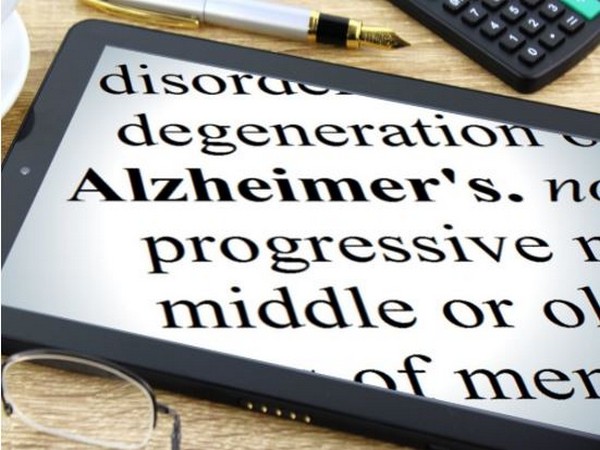
New Jersey [US], November 30 (ANI): Although it is believed that the diagnosis of Alzheimer's disease and dementia is quite crucial, a new study by Rutgers University has found that the diagnosis can lead to an unintentional impact on social relationships and social activity.
The research has been published in the 'Dementia and Geriatric Cognitive Disorders Journal'.
It examined how receiving a recent diagnosis of Alzheimer's disease and related dementias impacts social networks, social engagement and social support.
"Alzheimer's disease and related dementias are a public health priority that has a significant impact on people with these diseases, their families and society," said lead author Takashi Amano, an assistant professor in the Department of Social Work at Rutgers University-Newark.
"In recent years, health professionals have wanted to diagnose people earlier because of benefits like better long-term care planning and less anxiety. While there are benefits to receiving an earlier diagnosis, negative consequences may include an increased risk of suicide or requesting physician-assisted suicide," Amano added.
The study found that a person's social network and social support did not increase following a diagnosis of Alzheimer's and related dementias, which may be especially problematic for disadvantaged populations who had fewer resources.
According to the study -- which found that such a diagnosis reduced time talking on the phone, face-to-face contact and attending sports and other social events -- more than 6 million people in the United States were diagnosed with Alzheimer's disease and related dementias in 2020.
The researchers used data from the Health and Retirement Study, a national study that surveys adults and their spouses aged 51 and older. Researchers tracked adults in 2012, 2014 and 2016.
Those who received a diagnosis in 2014 were compared to those who did not. The researchers measured their social relationships two years after their diagnosis, looking at social and informal engagement, such as meeting and talking on the phone, and formal engagement, like volunteering, attending educational programs, sports games or social events with clubs or non-religious organizations. The social network included the number of close ties a person had. Social support was perceived as either positive or negative.
The findings indicated that receiving a diagnosis of Alzheimer's disease and related dementias may have unintended impacts on social relationships, including decreased formal and informal social engagement.
Researchers suggested that practitioners and policymakers be aware of the consequences, identify strategies to alleviate the negative impact of receiving a diagnosis and look for ways to mobilize support networks after a diagnosis.
"Social relationships are an essential feature of our quality of life and can buffer against cognitive decline," said co-author Addam Reynolds, a doctoral candidate at the Rutgers School of Social Work-New Brunswick.
"Given the lack of a cure of these diseases, we must focus on ways people can maintain or improve their quality of life after receiving a diagnosis of Alzheimer's disease and related dementias," Addam added.
Researchers said it may be especially important to promote informal social engagement -- face-to-face and telephone contact -- which is more accessible than formal social engagement. (ANI)
Get the App