 हिंदी खबर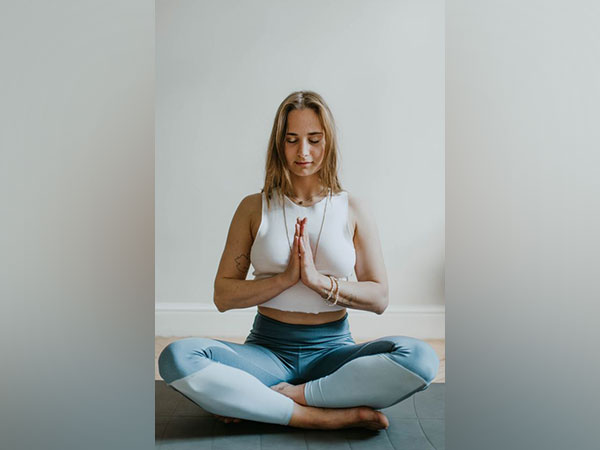

Washington [US], March 26 (ANI): A new study has found that normalizing mindfulness practices can improve the emotional well-being of a graduate student.
The study was published in the journal, 'PLoS One'
"Because of the state of graduate student mental health nationally, there's a tangible need for a concrete intervention like this," says Susan Hagness, a professor of electrical and computer engineering and one of the study's co-authors.
"How do we help our students develop resiliency and a really robust toolbox, both professional and personal, to flourish in an environment where there's inevitably going to be stress? We're getting the word out that investing in self-care is important, and it's normal."
Cultivated through practices such as meditation, yoga or prayer, mindfulness centers around being in the present moment in an open, non-judgmental, curious, accepting way. In recent years, corporate giants like Google, Intel, Nike, General Mills, Target and others have included mindfulness in employee development activities to reduce employee stress and burnout, and enhance their focus, creativity, job satisfaction and wellness.
The UW-Madison research included two studies involving a total of 215 participants across six academic semesters at UW-Madison (and the final four semesters concurrently at the University of Virginia). In the study, engineering graduate student cohorts participated in an hour-long, instructor-led mindfulness training program once a week for eight weeks. This "Mindful Engineer" curriculum was based on an existing Center for Healthy Minds training, "Cultivating Well-Being in the Workplace," and drew on neuroscience-derived concepts described in The Emotional Life of Your Brain, a book co-authored by center founder Richard Davidson, a professor of psychology and psychiatry at UW-Madison.
Each weekly session built on the previous weeks' content; students learned about the brain's neuroplasticity and how it can be trained to change responses to emotions. They explored the six dimensions of emotional style (attention, self-awareness, resilience, outlook, social intuition and sensitivity to context) and learned strategies for creating and maintaining healthy mental and emotional habits. The graduate students also received training in mindfulness meditation and other contemplative practices, cognitive skills and techniques, and each session included time for meditation and cognitive exercises.
In post-training surveys, students reported significantly improved emotional well-being, a more positive outlook, fewer negative emotions and increased mindfulness. Over the same period, the control groups (which received training at a later date) noted steady or decreased well-being. Mindfulness participants also reported they were better able to manage stress and anxiety, deal positively with setbacks, work more effectively with colleagues and focus on their research."What was beautiful is that we saw a really consistent pattern of results across all of the cohorts we did this study with," says Pelin Kesebir, an honorary fellow with the Center for Healthy Minds and a study co-author.
Somewhat surprisingly, the researchers also found that engineering graduate students were open to mindfulness training and were not only highly satisfied with it, but also enjoyed the opportunity to connect with other graduate students."In the literature, there's evidence that engineers are less likely to seek treatment for mental health issues -- so our team wondered if engineers would engage with this," says Wendy Crone, a professor of engineering physics and mechanical engineering and a study co-author.
"The answer is that they did, and we had great cohorts throughout the project."The researchers say they'd like mindfulness training to be integrated into the graduate student experience in the future. In the meantime, they recommend the Healthy Minds Program app, which offers podcast-style lessons and seated and active meditations.And while the researchers focused on engineering graduate students, they note that adopting a mindfulness practice can be a positive step for anyone."Modest investments of your time can result in really significant benefits to your overall well-being," says Hagness. "Small investments in self-care can have long-term rewards." (ANI)




