

ADD ANI AS A TRUSTED SOURCE
googleads
ANI Logo
Menu
Health

Public should seek medical help if they suspect rabies exposure: Study

Washington D.C [U.S.A], Apr 14 (ANI): A new research has highlighted the importance of raising awareness about the rising risks of rabies and advised to seek medical treatment on time. People wait an average of 10 days before seeking medical advice following exposure to potentially rabid animals overseas, according to the study.

ANI Apr 14, 2019 14:04 IST googleads

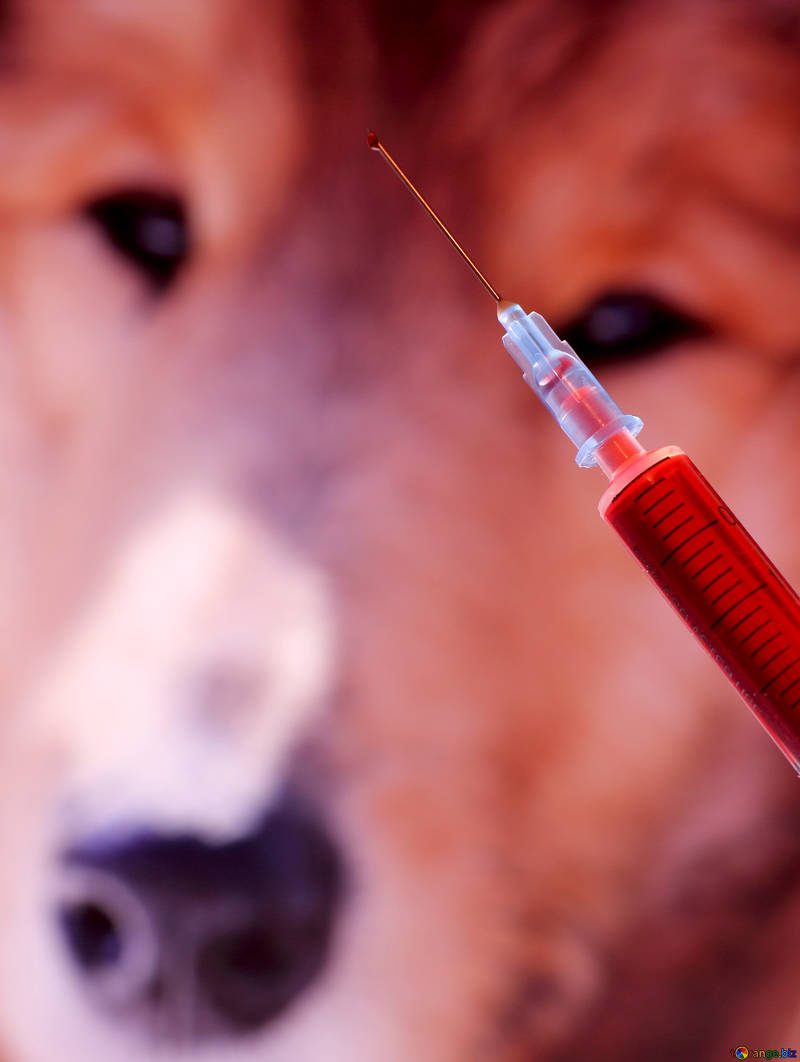
Representative image

Washington D.C [U.S.A], Apr 14 (ANI): A new research has highlighted the importance of raising awareness about the rising risks of rabies and advised to seek medical treatment on time. People wait an average of 10 days before seeking medical advice following exposure to potentially rabid animals overseas, according to the study. 
The study was discussed in the meeting ECCMID 2019 and was presented this year at the European Congress of Clinical Microbiology & Infectious Diseases (ECCMID) in Amsterdam, the Netherlands in April, which states that the average delay in seeking treatment following bat exposures in the UK was almost three days.
"The findings highlight the importance of raising public awareness around the risks of rabies, both for travellers visiting rabies-infected countries and from bat exposures in the UK", says one of the researchers at the Head of Rabies and Immunoglobulin Service for Public Health England.
Symptoms generally take 2 to 3 months to appear, but can develop in as little as a week (following severe bites to the head) or up to several years after exposure. "Preventive treatments are 100% effective if given promptly after exposure", said the researcher.
"That's why seeking prompt care is so important, even if the wound or incident seems very trivial. If you are bitten, scratched, or licked by an animal you must wash the wound or site of exposure with plenty of soap and water and seek medical advice without delay. Travellers should not delay waiting for treatment," the researcher added. 
Rabies is a zoonotic infection (a disease that spreads from animals to humans) that can cause a rare but life-threatening infection of the brain and nervous system in humans. It usually results from a bite, scratch or lick from an infected animal. The virus is estimated to kill around 59,000 people every year worldwide, most often as a result of a bite from a rabid dog in parts of Africa and Asia.
Rabies does not circulate in wild or domestic animals; although some species of bats can carry rabies-like viruses (European Bat Lyssavirus type 1 and type 2). Every year around 150 people in England is treated after being bitten by a bat.
People who believe they may have been exposed to rabies are advised to immediately seek medical treatment which involves a series of rabies vaccinations with or without immunoglobulin, an antibody treatment that gives immediate short-term protection while the vaccines start to work.
In this study, medical staff from one of the issuing centres in Manchester, North West England conducted a review of all requests for rabies post-exposure treatment at their lab between June 2015 and June 2018.
In total, 200 patients (aged 0-77 years old) received post-exposure treatment through the virology laboratory. Over a third (69/200 patients) were aged 20-29 years old. The vast majority of patients (92%; 183/200) had not received any rabies vaccination in the past.
Results showed that over three-quarters (79% (157/200) of post-exposure treatment was given to travellers returning to the UK from 43 different countries.
In separate research, Public Health England doctors found a 7.5-fold increase in the number of risk assessments performed for rabies post-exposure in England since 2001--increasing from 390 in 2001 to 2949 in 2018--the majority as a result of dog bites in South and South East Asia, whilst around 1 in 10 were for bat bites in England.
In the UK, although prompt treatment is recommended, given the prolonged incubation time it is never considered too late to receive post-exposure treatment for exposure.
 (ANI)

Get the App

What to Read Next

Health

The truth about ‘Eating for Two’ explained by doctors

The truth about ‘Eating for Two’ explained by doctors

Health experts warn that interpreting the advice literally can lead to excessive calorie intake, unhealthy weight gain and a higher risk of Gestational Diabetes Mellitus (GDM), a condition that affects blood sugar levels during pregnancy.

Read More
Health

High-fat keto diet may boost exercise benefits

High-fat keto diet may boost exercise benefits

A new study suggests that eating more fat rather than less could help the body gain greater benefits from exercise when blood sugar levels are high, offering an unexpected perspective on how diet and physical activity work together to support metabolic health.

Read More
Health

Pre-workout supplements may cut sleep in half for young users

Pre-workout supplements may cut sleep in half for young users

A popular fitness trend among young people may be quietly undermining their sleep. A new study led by researchers at the University of Toronto has found that teenagers and young adults who use pre-workout supplements are significantly more likely to experience extremely short sleep durations.

Read More
Health

The more you fear aging, the faster your body may age

The more you fear aging, the faster your body may age

Worrying about getting older especially fearing future health problems may actually speed up aging at the cellular level, according to new research from NYU.

Read More
Health

Scientists reveal how exercise protects brain from Alzheimer's

Scientists reveal how exercise protects brain from Alzheimer's

Exercise may sharpen the mind by repairing the brain's protective shield. Researchers found that physical activity prompts the liver to release an enzyme that removes a harmful protein, causing the blood-brain barrier to become leaky with age.

Read More
Health

MRI scans show exercise can make the brain look younger

MRI scans show exercise can make the brain look younger

New research suggests that consistent aerobic exercise can help keep your brain biologically younger. Adults who exercised regularly for a year showed brains that appeared nearly a year younger than those who didn't change their habits.

Read More
Health

Swedish study reveals when fitness and strength begin to fade

Swedish study reveals when fitness and strength begin to fade

A long-running Swedish study has followed adults for nearly five decades, uncovering when physical decline truly begins. Fitness and strength start slipping around age 35, then worsen gradually with age.

Read More
Health

Memory loss can suddenly speed up with age: Study

Memory loss can suddenly speed up with age: Study

A massive international brain study has revealed that memory decline with age isn't driven by a single brain region or gene, but by widespread structural changes across the brain that build up over time.

Read More
Health

Injection turns sleeping tumour immune cells into cancer fighters

Injection turns sleeping tumour immune cells into cancer fighters

The Korea Advanced Institute of Science and Technology (KAIST) researchers have developed a way to reprogram immune cells already inside tumours into cancer-killing machines.

Read More
Health

Eating more vitamin C can physically change your skin

Eating more vitamin C can physically change your skin

Scientists discovered that vitamin C from food travels through the bloodstream into every layer of the skin, boosting collagen and skin renewal.

Read More
Home About Us Our Products Advertise Contact Us Terms & Condition Privacy Policy

Copyright © aninews.in | All Rights Reserved.


