Pregnant women hospitalised for COVID-19 infection do not face increased death risk: Study
Washington [US], May 12 (ANI): Pregnant women who develop severe COVID-19 infections that require hospitalisation for pneumonia and other complications may not be more likely to die from these infections than non-pregnant women.
ANI
May 12, 2021 13:26 IST

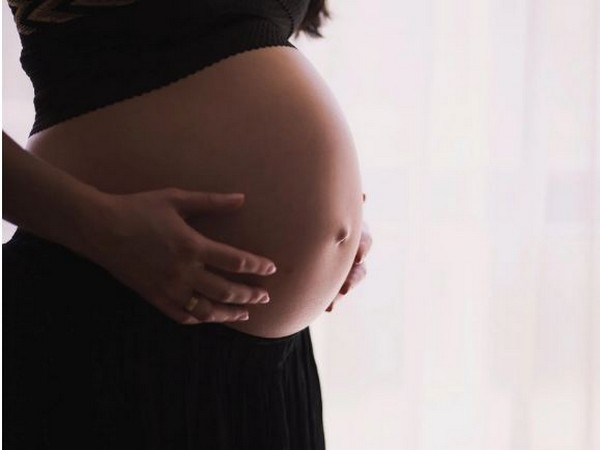
Washington [US], May 12 (ANI): Pregnant women who develop severe COVID-19 infections that require hospitalisation for pneumonia and other complications may not be more likely to die from these infections than non-pregnant women.
In fact, they may have significantly lower death rates than their non-pregnant counterparts. The study, conducted by researchers at the University of Maryland School of Medicine (UMSOM), was published in the journal 'Annals of Internal Medicine'.
The study examined medical records from nearly 1,100 pregnant women and more than 9,800 non-pregnant patients aged 15 to 45 who were hospitalised with COVID-19 and pneumonia. Slightly less than 1 per cent of the pregnant patients died from COVID-19 compared to 3.5 per cent of non-pregnant patients, according to the study findings.
There are, however, some important caveats to the study data in terms of differences between the two populations. Pregnant patients were more likely to be younger and have fewer health conditions, including diabetes, obesity, hypertension, and chronic lung disease, compared to the non-pregnant patients.
Given the small number of deaths seen in the study, the researchers were unable to control for these differences to determine whether they significantly affected mortality risk.
"I think this is reassuring news for women who are pregnant and worried about getting infected with COVID-19 as new variants emerge," said study corresponding author Anthony Harris, MD, MPH, Professor of Epidemiology and Public Health at UMSOM.
"While the study does not tell us for certain that pregnancy does not pose added risks for women, the data certainly point in that direction," added Harris.
Researchers from The University of Texas Health Science Center at Houston also participated in this study. UMSOM faculty who were co-authors of this study include Katherine Goodman, JD, PhD, Lisa Pineles, MA, Lyndsay O'Hara, PhD, Gita Nadimpalli, MD, MPH, Laurence Magder, PhD, and Jonathan Baghdadi, MD, PhD.
"I am so pleased we can provide some reassuring news to pregnant women who have faced an added burden during the COVID-19 pandemic," said E. Albert Reece, MD, PhD, MBA, Executive Vice President for Medical Affairs, UM Baltimore, and the John Z. and Akiko K. Bowers Distinguished Professor and Dean, University of Maryland School of Medicine.
"This is an important study that adds to our knowledge of the COVID-19 pandemic at a critical time," concluded Reece. (ANI)
Get the App