 हिंदी खबर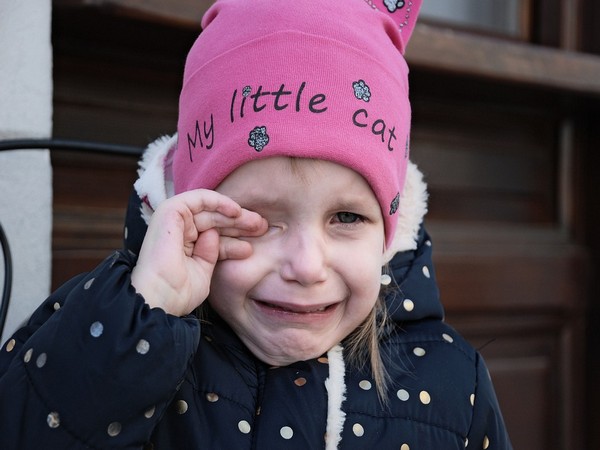

Washington D.C. [USA], July 29 (ANI): Whether returning to a school building, online learning, or a hybrid school environment, it is normal for children and adolescents to have some stress or anxiety about going back to school.
This year, fears of getting sick, school safety protocols for COVID-19, or heightened tensions around racism may make the transition even more difficult.
"There are a range of mental health concerns that children can face in school from minor stressors such as nerves about an upcoming tests or dynamics in peer relationships, all the way to some of the common mental health disorders, such as learning disorders, ADHD, anxiety, and depression," said Samanta Boddapati, PhD, child clinical psychologist and prevention coordinator at Big Lots Behavioral Health Services at Nationwide Children's Hospital.
"A number of factors within the school environment can promote or hinder mental health and might influence how children react. For example, positive student relationships and strong social emotional programming within schools can promote mental health, whereas issues like bullying, or teasing and challenges with peer relationships might hinder mental wellness," added Boddapati.
In a recent survey of school-aged parents conducted by Nationwide Children's, 2 out of 5 parents said that they had concerns about their child's social and emotional wellbeing as they head back to school. Concerns about transitioning back to school will be different depending on the age of a child.
Experts say very young children may have separation anxiety or general stress and concerns about being away from family and being in new environments with new people.
For younger children who have a hard time saying goodbye, consider making a special goodbye part of your routine that you can do together, such as a special handshake or a statement that you and your child can make to one another, and remind your child when you might see each other again.
Some small children also like a transitional object, like a small item that reminds them of a caregiver while they are separated and that they can "keep safe" while apart.
For older children who have been communicating with teachers primarily through online learning or social media, face-to-face communication might feel uncomfortable at first. As kids get older, they have more stress related to social access, bullying, and grades, but also other anxiety related to changes in the structure of their day.
"Maintaining a routine is important, especially for families who are continuing to do online learning full-time. Create a part of your child's day that is structured and a part of their day that has some flexibility," said Parker Huston, PhD, clinical director of On Our Sleeves® and pediatric psychologist for Big Lots Behavioral Health Services at Nationwide Children's.
Experts say no matter the age of your child, the best thing you can do to help your child's mental health as they go back to school this year is to start having conversations early and often. Additional tips for parents and caregivers from the behavioral health experts at Nationwide Children's include:
* Admit to your child there are a lot of unknowns, but that you are there to support them. Remind them of other adults in their life who are there to help them and that they can always talk to you and them.
* Discuss possible scenarios or fears with children, as well as talking through different options and alternatives. This can help increase children's flexibility, thinking and problem-solving abilities. Asking them what they are nervous about does not increase their anxious thinking so long as the conversation is focused on problem-solving.
* Model appropriate coping skills for children, showing kids how to respond to future unknowns and building resilience. For example, reach out to your own social support about your anxieties and use that as an example with your child of how you sought help and how they can do the same.
* Demystify some of the procedures that may be in place in schools such as mask-wearing and temperature checks by talking about them and practicing them at home. For example, wear masks for short times during the day at home while playing or reading to simulate what it will be like in school. Make sure they are compliant with having their temperature taken using an external thermometer as well.
* Reach out to your school to see what resources are available for your child, such as social-emotional programming or school counseling.
More free educational resources about supporting the mental health of your child as they transition back-to-school online or in-person can be found at OnOurSleeves.org. This blog post provides advice for helping kids get used to seeing and wearing masks. This blog post focuses on helping children with special needs during COVID-19.
"A certain amount of stress is normal, but parents, caregivers and educators should look out for drastic changes in functioning or behavior. Sleep changes, mood changes, inability to engage with social environments or friends, increased anxiety about things that they maybe weren't nervous about in the past are changes you want to talk to your child's pediatrician about," said Dr. Huston. (ANI)


