

ADD ANI AS A TRUSTED SOURCE
googleads
Menu
Health

Patients receive too little rehab therapy after stroke: Research

According to a new UCLA-led study that monitored over 500 patients across 28 acute care hospitals in their first year after a stroke, many patients do not receive much rehabilitation therapy following a stroke, despite clear evidence that higher levels can reduce long-term disability.

ANI Feb 12, 2023 17:58 IST googleads

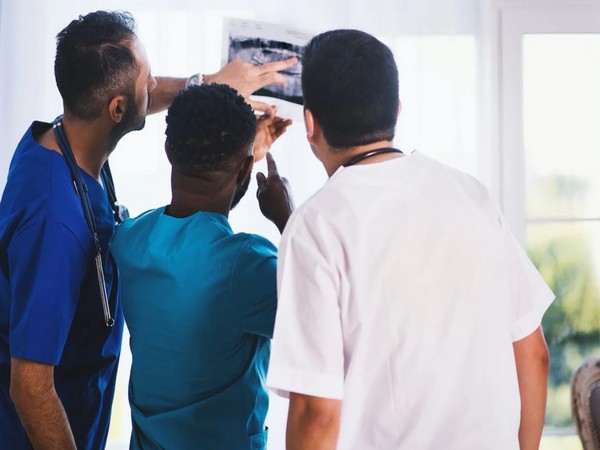
Representative Image

California [US], February 12 (ANI): According to a new UCLA-led study that followed over 500 patients across 28 acute care hospitals in their first year following a stroke, many patients do not receive much rehabilitation therapy after a stroke, despite overwhelming evidence that higher levels can minimise long-term disability.
The new study, published in the peer-reviewed journal Stroke, is the first to reveal that patients with more severe strokes received more rehabilitation therapy, which is a welcome finding.
"But in the bigger picture, the findings reinforce that too many patients are missing out on a golden opportunity to maximize recovery during a critical period following a stroke," said the study's lead author, Steven Cramer, MD. Stroke is a leading cause of long-term disability in the United State and can affect speech, memory, and mobility, among other impairments.
"In the initial weeks after a stroke, the brain is ready to undergo maximum rewiring to get people back on their feet. Rehab therapy helps maximize this recovery, with higher rehab therapy doses helping more, but what we found in this study is that most patients are getting rather small doses of rehab therapy," said Dr. Cramer, a stroke neurologist and professor of neurology at the David Geffen School of Medicine at UCLA and the California Rehabilitation Institute.
Among the study's key findings:
Many patients tracked in this study did not receive any rehabilitation therapy after their stroke. After three months, about one-third of patients had not received physical therapy, almost half had not received occupational therapy, and over 6 in 10 did not receive speech therapy.
Those who did receive rehabilitation therapy typically had six to eight sessions by three months after their stroke - and between 0 and 1.5 sessions the rest of the year.
Where patients were sent the following hospitalization also mattered. Those who were discharged home had the lowest levels of rehabilitation therapy, regardless of the severity of their stroke.
Hispanic patients received disproportionately lower amounts of physical therapy and occupational therapy.
Cramer said it is important for future research to examine the feasibility of providing higher therapy doses to stroke patients. (ANI)


Get the App

What to Read Next

Health

High-fat keto diet may boost exercise benefits

High-fat keto diet may boost exercise benefits

A new study suggests that eating more fat rather than less could help the body gain greater benefits from exercise when blood sugar levels are high, offering an unexpected perspective on how diet and physical activity work together to support metabolic health.

Read More
Health

Pre-workout supplements may cut sleep in half for young users

Pre-workout supplements may cut sleep in half for young users

A popular fitness trend among young people may be quietly undermining their sleep. A new study led by researchers at the University of Toronto has found that teenagers and young adults who use pre-workout supplements are significantly more likely to experience extremely short sleep durations.

Read More
Health

The more you fear aging, the faster your body may age

The more you fear aging, the faster your body may age

Worrying about getting older especially fearing future health problems may actually speed up aging at the cellular level, according to new research from NYU.

Read More
Health

Scientists discover reason high altitude protects against diabete

Scientists discover reason high altitude protects against diabete

Living at high altitude appears to protect against diabetes, and scientists have finally discovered the reason. When oxygen levels drop, red blood cells switch into a new metabolic mode and absorb large amounts of glucose from the blood.

Read More
Health

Scientists reveal how exercise protects brain from Alzheimer's

Scientists reveal how exercise protects brain from Alzheimer's

Exercise may sharpen the mind by repairing the brain's protective shield. Researchers found that physical activity prompts the liver to release an enzyme that removes a harmful protein, causing the blood-brain barrier to become leaky with age.

Read More
Home About Us Our Products Advertise Contact Us Terms & Condition Privacy Policy

Copyright © aninews.in | All Rights Reserved.
