

ADD ANI AS A TRUSTED SOURCE
googleads
Menu
Health

Patients in low-income nations receive cancer diagnosis later: Study

Washington [US], October 21 (ANI): According to a Study, the time it takes a cancer patient to visit a doctor, acquire a diagnosis, and begin treatment varies substantially depending on the patient's location and the kind of cancer, with people living in lower-income nations taking up to four times longer initiate care.

ANI Oct 21, 2022 05:20 IST googleads

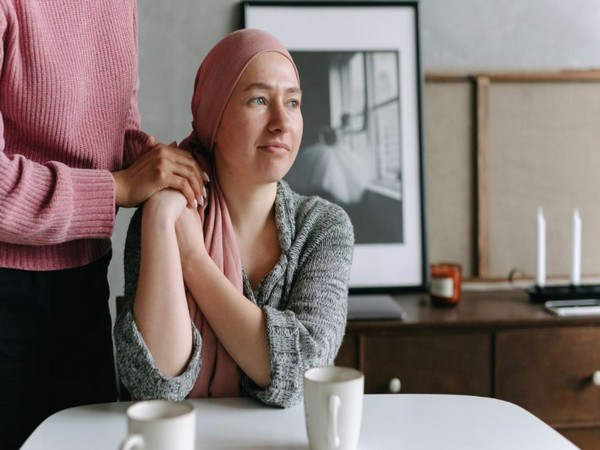
Representative image

Washington [US], October 21 (ANI): According to a study, the time it takes a cancer patient to visit a doctor, acquire a diagnosis, and begin treatment varies substantially depending on the patient's location and the kind of cancer, with people living in lower-income nations taking up to four times longer initiate care.
Dafina Petrova of the Biomedical Research Institute ibs.GRANADA and CIBER of Epidemiology and Public Health in Spain and colleagues report these findings in the open-access journal PLOS Medicine.
Cancer is a leading cause of death globally and timely diagnosis and treatment are essential for improving patient outcomes. To understand how the timing of cancer treatment varies across different cancer types and in high- and lower-income countries, researchers reviewed the relevant scientific literature and performed a meta-analysis of 410 articles representing 68 countries and more than 5.5 million patients. Specifically, they looked at three time intervals: from the first symptoms to visiting a doctor, from the first consultation to diagnosis, and from diagnosis to the start of treatment. In high-income countries, most patients saw a doctor within a month of experiencing symptoms, but in lower-income countries, this interval was 1.5 to 4 times longer for almost all cancer types. Across all countries, cancers that caused non-specific symptoms, such as myeloma, colorectal, and gynaecological cancer, typically took the longest to diagnose, with prostate and gynaecological cancers having the longest treatment delays, on average.
The new study highlights the extent of the global disparities in early cancer diagnosis and treatment. The researchers urge that efforts should be made to reduce the amount of time it takes patients in lower-income countries to receive care after experiencing symptoms. They acknowledge that their estimates for the time it takes to diagnose and start treatment mostly came from high-income countries because these countries have robust health information systems in place to record this information. Additionally, these findings spotlight types of cancers where research on ways to provide earlier diagnosis and treatment may yield better outcomes for patients.
Petrova adds, "Our new study identifies the cancers where diagnosis and treatment initiation may take the longest and reveals important global disparities in early cancer diagnosis and treatment." (ANI)


Get the App

What to Read Next

Health

High-fat keto diet may boost exercise benefits

High-fat keto diet may boost exercise benefits

A new study suggests that eating more fat rather than less could help the body gain greater benefits from exercise when blood sugar levels are high, offering an unexpected perspective on how diet and physical activity work together to support metabolic health.

Read More
Health

Pre-workout supplements may cut sleep in half for young users

Pre-workout supplements may cut sleep in half for young users

A popular fitness trend among young people may be quietly undermining their sleep. A new study led by researchers at the University of Toronto has found that teenagers and young adults who use pre-workout supplements are significantly more likely to experience extremely short sleep durations.

Read More
Health

The more you fear aging, the faster your body may age

The more you fear aging, the faster your body may age

Worrying about getting older especially fearing future health problems may actually speed up aging at the cellular level, according to new research from NYU.

Read More
Health

Scientists discover reason high altitude protects against diabete

Scientists discover reason high altitude protects against diabete

Living at high altitude appears to protect against diabetes, and scientists have finally discovered the reason. When oxygen levels drop, red blood cells switch into a new metabolic mode and absorb large amounts of glucose from the blood.

Read More
Health

Scientists reveal how exercise protects brain from Alzheimer's

Scientists reveal how exercise protects brain from Alzheimer's

Exercise may sharpen the mind by repairing the brain's protective shield. Researchers found that physical activity prompts the liver to release an enzyme that removes a harmful protein, causing the blood-brain barrier to become leaky with age.

Read More
Home About Us Our Products Advertise Contact Us Terms & Condition Privacy Policy

Copyright © aninews.in | All Rights Reserved.
