Once-a-week insulin treatment could be highly beneficial for diabetes patients: Study
Washington [US], April 20 (ANI): According to a new study, treating people with Type 2 diabetes with a new once-a-week injectable insulin therapy proved to be safe and as effective as daily insulin injections.
ANI
Apr 20, 2021 10:52 IST

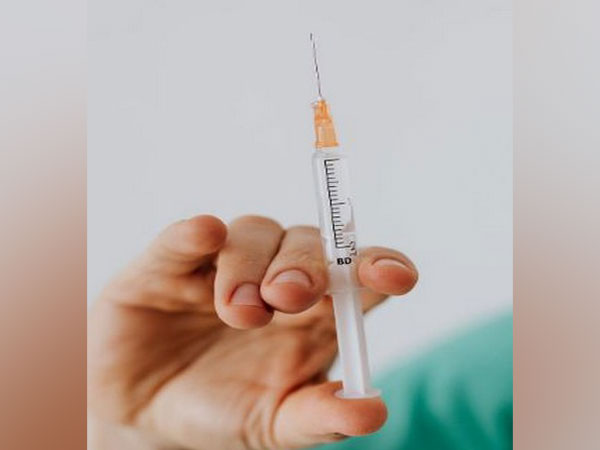
Washington [US], April 20 (ANI): According to a new study, treating people with Type 2 diabetes with a new once-a-week injectable insulin therapy proved to be safe and as effective as daily insulin injections.
The findings of the study were published in the journal 'Diabetes Care'. The research suggested that the once-weekly treatment could provide a convenient alternative to the burden of daily insulin shots for diabetes patients.
Starting and maintaining insulin treatment remains a challenge for millions of patients worldwide with Type 2 diabetes. Fear of injections and the inconvenience and burden of injectable therapy contribute to the barriers against insulin therapy initiation and adherence.
The effectiveness and safety of ongoing insulin treatment are also highly dependent on other factors, such as the accuracy of dosages, timing, and glycemic targets. Health care providers believe that reducing the frequency of treatment administration with advances, such as the once-weekly insulin used in these phase 2 trials, may decrease the reluctance to initiate insulin therapy while improving long-term adherence, glucose control, and ultimately, patient well-being.
Insulin, which has been the foundation of diabetes treatment for 100 years, is an effective glucose-lowering agent and is safe when used at the correct dose," said Ildiko Lingvay, M.D., M.P.H., M.S.C.S., a professor of internal medicine and population and data sciences at UT Southwestern.
Lingvay added, "Insulin treatment is burdensome, requires frequent injections, and continues to carry a certain stigma. The development of an effective and safe insulin that can be administered once a week is a huge advance in the field."
Lingvay, who is a consultant for Novo Nordisk, is the lead author of one of the studies, which involved 205 patients from seven countries (the U.S., Croatia, Germany, Hungary, Poland, Slovakia, and Spain). The clinical trial consisted of a two-week screening period, 16 weeks of treatment, and a five-week follow-up to evaluate three different ways to adjust and optimise the insulin dose and determine which one presented the best balance between effectively lowering glucose while minimizing low-glucose events.
She also is an author of the second study that included 154 patients from five countries (the U.S., Canada, the Czech Republic, Germany, and Italy). This trial followed the same 23-week time frame and evaluated practical aspects of insulin use as well as the best ways to transition from a daily regimen to the new weekly insulin injections.
The researchers determined that starting with a higher first dose - called a loading dose - allowed patients to reach their optimal glucose target faster.
"These two studies served as the steppingstones for a large phase 3 clinical trial program that is currently ongoing at UT Southwestern and other sites, which is designed to evaluate the efficacy of once-weekly insulin administration in patients with either Type 1 or Type 2 diabetes," Lingvay said.
"A weekly insulin is a game-changer that will decrease the treatment burden for patients while also improving compliance. This treatment will also decrease the burden on those who care for patients with diabetes requiring insulin. For example, for patients who need help injecting, those living in long-term care facilities, and those with memory problems, a once-weekly insulin will facilitate treatment and decrease the burden on the care providers," Lingvay concluded. (ANI)
Get the App