

ADD ANI AS A TRUSTED SOURCE
googleads
ANI Logo
Menu
Health

Non-heavy alcohol use associated with liver fibrosis: Study

According to a new study, non-heavy alcohol use on liver health are often contradictory, both within the general population and among those known to have non-alcoholic fatty liver disease (NAFLD) and at-risk individuals.

ANI Dec 08, 2022 22:28 IST googleads

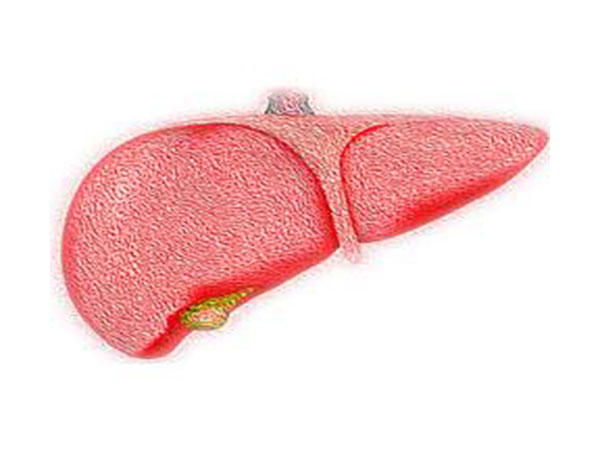
Representative image

Washington [US], December 8 (ANI): According to a new study, non-heavy alcohol use are at risk of non-alcoholic fatty liver disease (NAFLD).
The study was published in the journal, 'Clinical Gastroenterology and Hepatology'.
While evidence suggests that the pattern of alcohol consumption may be an important predictor of its health effects, alcohol research frequently focuses on average daily or weekly alcohol consumption, possibly obscuring differences in drinking patterns such as drinking frequency, the usual quantity of alcohol consumed and binge drinking behaviour.
Now, researchers from Boston University Chobanian & Avedisian School of Medicine show that non-heavy alcohol use is associated with fibrosis (thickening and scarring of connective tissue) and at-risk nonalcoholic steatohepatitis (NASH). They also found that several alcohol use patterns and measures, including total weekly alcohol consumption, were associated with clinically significant fibrosis and at-risk NASH among non-heavy alcohol users.
"Our results reinforce the importance of encouraging all patients to reduce alcohol intake as much as possible and to at least adhere to current U.S. Dietary Guidelines recommended limits," said corresponding author Michelle T. Long MD, MSc, associate professor of medicine.
More than 2,600 participants from the Framingham Heart Study were administered a clinician-directed questionnaire regarding their alcohol use and offered a vibration-controlled transient elastography (VCTE) to measure their liver for excessive connective tissue build-up. Not only did the researchers find that non-heavy alcohol use was associated with fibrosis and NASH, but also that multiple alcohol use patterns were responsible for this.
According to the researchers, these findings have significant implications for counselling patients with and without pre-existing NAFLD, especially as the current American Association for the Study of Liver Diseases guidelines do not make any recommendations regarding non-heavy alcohol use in NAFLD. "In addition, our finding that multiple alcohol use patterns associated with increased fibrosis and/or at-risk NASH merits further investigation into the importance of how patients use alcohol beyond simply quantifying the total amount of consumption," adds Long, a physician at Boston Medical Center. (ANI)


Get the App

What to Read Next

Health

Pre-workout supplements may cut sleep in half for young users

Pre-workout supplements may cut sleep in half for young users

A popular fitness trend among young people may be quietly undermining their sleep. A new study led by researchers at the University of Toronto has found that teenagers and young adults who use pre-workout supplements are significantly more likely to experience extremely short sleep durations.

Read More
Health

Scientists reveal how exercise protects brain from Alzheimer's

Scientists reveal how exercise protects brain from Alzheimer's

Exercise may sharpen the mind by repairing the brain's protective shield. Researchers found that physical activity prompts the liver to release an enzyme that removes a harmful protein, causing the blood-brain barrier to become leaky with age.

Read More
Health

High-fat diets give liver cancer a dangerous head start: Study

High-fat diets give liver cancer a dangerous head start: Study

A high-fat diet does more than overload the liver with fat. New research from MIT shows that prolonged exposure to fatty foods can push liver cells into a survival mode that quietly raises the risk of cancer.

Read More
Health

Scientists reverse Alzheimer’s in mice and restore memory: Study

Scientists reverse Alzheimer’s in mice and restore memory: Study

Alzheimer's has long been considered irreversible, but new research challenges that assumption. Scientists discovered that severe drops in the brain's energy supply help drive the disease, and restoring that balance can reverse damage, even in advanced cases.

Read More
Health

This tiny protein helps control how hungry you feel

This tiny protein helps control how hungry you feel

Researchers have identified a previously overlooked protein that helps regulate appetite and energy use in the body.

Read More
Health

Air pollution may reduce health benefits of exercise: Study

Air pollution may reduce health benefits of exercise: Study

A new study led by researchers at University College London (UCL) shows that chronic exposure to toxic air can significantly diminish the health benefits of regular physical activity.

Read More
Health

Iimmune cells use surprising trick to heal muscle faster: Study

Iimmune cells use surprising trick to heal muscle faster: Study

A research team has found that specific immune cells can connect with muscle fibres in a lightning-fast, neuron-like way to promote healing.

Read More
Health

Researchers use AI to create first 100-billion-star Milky Way

Researchers use AI to create first 100-billion-star Milky Way

Researchers combined deep learning with high-resolution physics to create the first Milky Way model that tracks over 100 billion stars individually.

Read More
Health

Hypertension affects brain much earlier than expected: Study

Hypertension affects brain much earlier than expected: Study

Hypertension may impair the brain far earlier than previously understood -- even before a measurable rise in blood pressure occurs -- according to a new preclinical study from Weill Cornell Medicine. The changes help explain why hypertension is a major risk factor for developing cognitive disorders, such as vascular cognitive impairment and Alzheimer's disease.

Read More
Health

Estrogen could aid in therapies for progressive multiple scleros

Estrogen could aid in therapies for progressive multiple scleros

About 100,000 of the estimated million persons in the United States with multiple sclerosis (MS) have a progressive form of the disease, with symptoms worsening over time or following periods of remission.

Read More
Home About Us Our Products Advertise Contact Us Terms & Condition Privacy Policy

Copyright © aninews.in | All Rights Reserved.


