

ADD ANI AS A TRUSTED SOURCE
googleads
Menu
Health

New study images ballistic wounds, bullet composition and implications for MRI safety

Leesburg (Virginia) [US], December 30 (ANI): Researchers from American Roentgen Ray Society (ARRS) claimed that radiography and CT scans can be effective in identifying nonferromagnetic projectiles for Magnetic Resonance Imaging (MRI).

ANI Dec 30, 2020 08:50 IST googleads

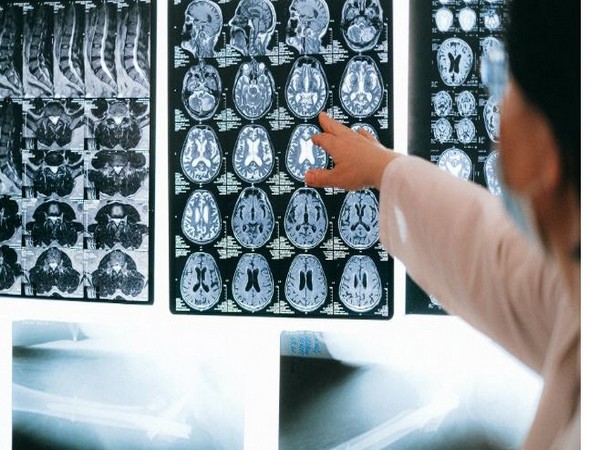
Representative Image

Leesburg (Virginia) [US], December 30 (ANI): Researchers from American Roentgen Ray Society (ARRS) claimed that radiography and CT scans can be effective in identifying nonferromagnetic projectiles for Magnetic Resonance Imaging (MRI).
According to an article in ARRS' American Journal of Roentgenology (AJR), because patients with ballistic embedded fragments are frequently denied MRI due to indeterminate bullet composition sans shell casings, radiography and CT can be used to identify nonferromagnetic projectiles that are safe for MRI.
First author Arthur J. Fountain from the department of radiology and imaging sciences at Emory University explained, "Commercially available handgun and shotgun ammunition representing projectiles commonly encountered in a clinical setting was fired into ballistic gelatin as a surrogate for human tissue."
After obtaining radiographs and CT images of these gelatin blocks, fountain and colleagues then obtained MR images of unfired bullets suspended in gelatin blocks using T1- and T2-weighted sequences. Magnetic attractive force, rotational torque, and heating effects of unfired bullets were assessed at 1.5 T.
Based upon debris trail and primary projectile deformation, the team separated the fired bullets into two groups: ferromagnetic and nonferromagnetic. Although ferromagnetic bullets showed mild torque forces and marked imaging artefacts at 1.5 T, nonferromagnetic bullets did not exhibit these effects.
Importantly, heating above the Food and Drug Administration limit of 2°C was not observed in any of the projectiles tested.
Additionally, the authors of this AJR article presented a triage algorithm for patients with retained ballistic fragments. In particular, Fountain described, a projectile that leaves a metallic debris trail from entry to final position or has been appreciably deformed is of copper, copper-alloy, or lead composition with a partial jacketed configuration or represents lead shotgun shot and does not pose a significant risk for imaging at 1.5 T or less, regardless of when the injury occurred.
"Nonferromagnetic ballistic projectiles do not undergo movement or heating during MRI, and the imaging modality can be performed when medically necessary without undue risk and with limited artefact susceptibility on the resulting images, even when the projectile is in or near a vital structure," the authors concluded. (ANI)


Get the App

What to Read Next

Health

The truth about ‘Eating for Two’ explained by doctors

The truth about ‘Eating for Two’ explained by doctors

Health experts warn that interpreting the advice literally can lead to excessive calorie intake, unhealthy weight gain and a higher risk of Gestational Diabetes Mellitus (GDM), a condition that affects blood sugar levels during pregnancy.

Read More
Health

High-fat keto diet may boost exercise benefits

High-fat keto diet may boost exercise benefits

A new study suggests that eating more fat rather than less could help the body gain greater benefits from exercise when blood sugar levels are high, offering an unexpected perspective on how diet and physical activity work together to support metabolic health.

Read More
Health

Pre-workout supplements may cut sleep in half for young users

Pre-workout supplements may cut sleep in half for young users

A popular fitness trend among young people may be quietly undermining their sleep. A new study led by researchers at the University of Toronto has found that teenagers and young adults who use pre-workout supplements are significantly more likely to experience extremely short sleep durations.

Read More
Health

The more you fear aging, the faster your body may age

The more you fear aging, the faster your body may age

Worrying about getting older especially fearing future health problems may actually speed up aging at the cellular level, according to new research from NYU.

Read More
Health

Scientists discover reason high altitude protects against diabete

Scientists discover reason high altitude protects against diabete

Living at high altitude appears to protect against diabetes, and scientists have finally discovered the reason. When oxygen levels drop, red blood cells switch into a new metabolic mode and absorb large amounts of glucose from the blood.

Read More
Home About Us Our Products Advertise Contact Us Terms & Condition Privacy Policy

Copyright © aninews.in | All Rights Reserved.
