
New findings could lead to better detection, treatment of chronic malaria
Washington D.C. [USA], May 3 (ANI): Researchers have found that certain metabolic systems in the blood of people with chronic malaria change to support a long-term host-parasite relationship.
ANI
May 03, 2019 14:47 IST

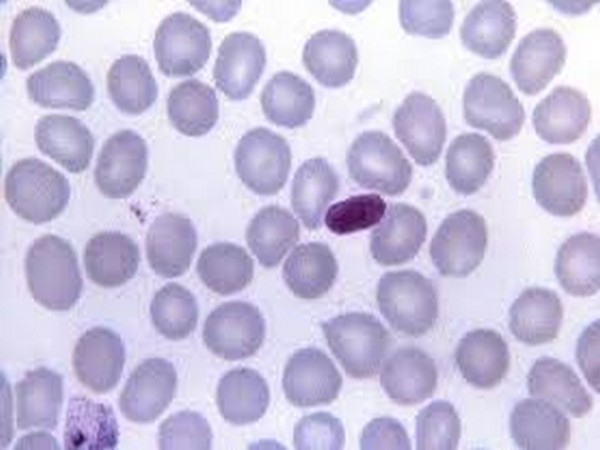
Washington D.C. [USA], May 3 (ANI): Researchers have found that certain metabolic systems in the blood of people with chronic malaria change to support a long-term host-parasite relationship.
According to the study published in the Journal of Clinical Investigation Insight, the findings could eventually lead to the development of better detection, treatment and eradication of the disease.
Chronic infections, which often go undetected, account for about 75 per cent of all malaria cases, said Regina Joice Cordy, lead author of the study.
What makes the infections tricky to detect is that malaria often has no symptoms in the chronic stage - although the host still provides a fertile environment for the malaria cells to grow, get transferred to mosquitoes via bites, and spread the disease.
Malaria-infected about 219 million people in 87 countries in 2017, according to the World Health Organization. That year, the disease killed 435,000 people. Spread by mosquitoes infected with the Plasmodium parasite, malaria causes high fever, headache and chills. In its acute form, the disease can lead to coma in children and multiple organ failure in adults.
And, while research has shown that people with acute malaria have more of the parasite in their bloodstream and have a different immune response in repeated infections, there has been no clear understanding of how the parasite and host response during chronic asymptomatic malaria infection. This study is a step in that direction.
"The human body is very complex. In addition to immune responses, our bodies have all kinds of metabolic pathways that can be activated at any given time. We wondered if there were metabolic factors that we weren't considering when thinking about malaria infection," Cordy said.
So, the research team focused on identifying changes in blood metabolites in both humans and rhesus macaques infected with the disease. They found different blood chemistry in acute vs chronic infections, with striking differences in amino acids, which combine to form proteins and are a source of energy; and lipids, which store energy.
For instance, some amino acids, including arginine and glutamine, fall during acute infection but return to nearly baseline levels in chronic infections in the host, and there are parallel changes in amino acids in the malaria cells. The scientists observed metabolic shifts for some lipid pathways as well. These changes suggest that the host-parasite relationship affects certain metabolic pathways globally.
"We saw metabolites changing during the acute phase - a lot of them - and it may be that both parasite and host alter their metabolic activity. In chronicity, it's not that the host eliminates the parasite. The parasite stays there, but it stays there differently," explained Cordy.
This study shed light on how a successful parasite can coexist in its host without killing it, Cordy said.
"In this study, we observe a series of changes in metabolic activity as host and parasite goes into a state where they're coexisting. It seems they adapt to each other in a metabolic sense," Cordy added. (ANI)
Get the App


