

ADD ANI AS A TRUSTED SOURCE
googleads
ANI Logo
Menu
Health

Mental, physical wellbeing get affected by continuous sleep loss

Washington [US], July 11 (ANI): It only takes three consecutive nights of sleep loss to cause your mental and physical well-being to greatly deteriorate, as per the findings of a recent study.

ANI Jul 11, 2021 15:42 IST googleads

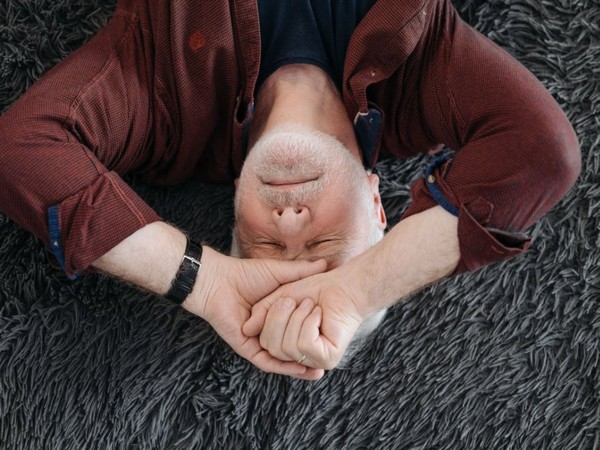
Representative Image

Washington [US], July 11 (ANI): It only takes three consecutive nights of sleep loss to cause your mental and physical well-being to greatly deteriorate, as per the findings of a recent study.
A new study published in Annals of Behavioral Medicine looked at the consequences of sleeping fewer than six hours for eight consecutive nights - the minimum duration of sleep that experts say is necessary to support optimal health in average adults.
Lead author Soomi Lee, assistant professor in the School of Aging Studies at the University of South Florida, found the biggest jump in symptoms appeared after just one night of sleep loss. The number of mental and physical problems steadily got worse, peaking on day three.
At that point, research shows the human body got relatively used to repeated sleep loss. But that all changed on day six when participants reported that the severity of physical symptoms was at its worst.
"Many of us think that we can pay our sleep debt on weekends and be more productive on weekdays," Lee said. "However, results from this study show that having just one night of sleep loss can significantly impair your daily functioning."
Data provided by the Midlife in the United States study included nearly 2,000 middle-aged adults who were relatively healthy and well-educated. Among them, 42 per cent had at least one night of sleep loss, sleeping 1 and a half fewer hours than their typical routines. They recorded their mental and physical behaviors in a diary for eight consecutive days, allowing researchers to review how sleep loss causes wear and tear on the body.
Participants reported a pile-up of angry, nervous, lonely, irritable and frustrated feelings as a result of sleep loss. They also experienced more physical symptoms, such as upper respiratory issues, aches, gastrointestinal problems and other health concerns.
These negative feelings and symptoms were continuously elevated throughout consecutive sleep loss days and didn't return to baseline levels unless they had a night sleep of more than six hours.
About one-third of U.S. adults sleep less than six hours per night. Lee says once that becomes a habit, it's increasingly difficult for your body to fully recover from lack of sleep, continuing the vicious cycle of worsening daily well-being, which could impact one professionally.
A previous study led by Lee found losing just 16 minutes of sleep could impact job performance. Her previous findings also show that minor sleep loss can decrease daily mindfulness, which is a critical resource for managing stress and maintaining healthy routines.
Lee says the best way to maintain a strong daily performance is to set aside more than six hours to sleep every night. (ANI)


Get the App

What to Read Next

Health

The truth about ‘Eating for Two’ explained by doctors

The truth about ‘Eating for Two’ explained by doctors

Health experts warn that interpreting the advice literally can lead to excessive calorie intake, unhealthy weight gain and a higher risk of Gestational Diabetes Mellitus (GDM), a condition that affects blood sugar levels during pregnancy.

Read More
Health

High-fat keto diet may boost exercise benefits

High-fat keto diet may boost exercise benefits

A new study suggests that eating more fat rather than less could help the body gain greater benefits from exercise when blood sugar levels are high, offering an unexpected perspective on how diet and physical activity work together to support metabolic health.

Read More
Health

Pre-workout supplements may cut sleep in half for young users

Pre-workout supplements may cut sleep in half for young users

A popular fitness trend among young people may be quietly undermining their sleep. A new study led by researchers at the University of Toronto has found that teenagers and young adults who use pre-workout supplements are significantly more likely to experience extremely short sleep durations.

Read More
Health

The more you fear aging, the faster your body may age

The more you fear aging, the faster your body may age

Worrying about getting older especially fearing future health problems may actually speed up aging at the cellular level, according to new research from NYU.

Read More
Health

Scientists reveal how exercise protects brain from Alzheimer's

Scientists reveal how exercise protects brain from Alzheimer's

Exercise may sharpen the mind by repairing the brain's protective shield. Researchers found that physical activity prompts the liver to release an enzyme that removes a harmful protein, causing the blood-brain barrier to become leaky with age.

Read More
Health

MRI scans show exercise can make the brain look younger

MRI scans show exercise can make the brain look younger

New research suggests that consistent aerobic exercise can help keep your brain biologically younger. Adults who exercised regularly for a year showed brains that appeared nearly a year younger than those who didn't change their habits.

Read More
Health

Swedish study reveals when fitness and strength begin to fade

Swedish study reveals when fitness and strength begin to fade

A long-running Swedish study has followed adults for nearly five decades, uncovering when physical decline truly begins. Fitness and strength start slipping around age 35, then worsen gradually with age.

Read More
Health

Memory loss can suddenly speed up with age: Study

Memory loss can suddenly speed up with age: Study

A massive international brain study has revealed that memory decline with age isn't driven by a single brain region or gene, but by widespread structural changes across the brain that build up over time.

Read More
Health

Injection turns sleeping tumour immune cells into cancer fighters

Injection turns sleeping tumour immune cells into cancer fighters

The Korea Advanced Institute of Science and Technology (KAIST) researchers have developed a way to reprogram immune cells already inside tumours into cancer-killing machines.

Read More
Health

Eating more vitamin C can physically change your skin

Eating more vitamin C can physically change your skin

Scientists discovered that vitamin C from food travels through the bloodstream into every layer of the skin, boosting collagen and skin renewal.

Read More
Home About Us Our Products Advertise Contact Us Terms & Condition Privacy Policy

Copyright © aninews.in | All Rights Reserved.
