

ADD ANI AS A TRUSTED SOURCE
googleads
ANI Logo
Menu
Health

Mediterranean diet helps prevent prostate cancer: Research

Men who regularly consume colourful fruits and vegetables have been shown to have a lower risk of acquiring prostate cancer, according to research from the University of South Australia (PC).

ANI Mar 11, 2023 22:52 IST googleads

Representative Image

Melbourne [Australia], March 11 (ANI): Men who regularly consume colourful fruits and vegetables have been shown to have a lower risk of acquiring prostate cancer, according to research from the University of South Australia (PC).
Men undergoing radiation therapy for the illness heal more faster, and a range of diets high in particular micronutrients can prevent prostate cancer (PC).
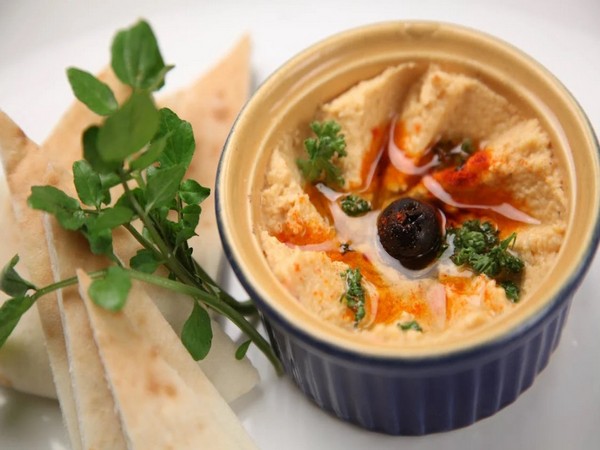
The findings, from two studies published in the journal cancers, highlight the importance of a Mediterranean or Asian diet that includes these foods.
Researchers compared micronutrient plasma concentrations of prostate cancer patients with a healthy control group, revealing low levels of lutein, lycopene, alpha-carotene, and selenium in PC patients and high levels of iron, sulphur, and calcium in the same group, relative to controls.
Increased DNA damage after radiation exposure was also associated with low lycopene and selenium in blood plasma.
Men with plasma concentrations lower than 0.25 micrograms (ug) per millilitre (mL) for lycopene and/or lower than 120ug/L for selenium have an increased risk of prostate cancer and are likely to be more sensitive to the damaging effects of radiation.
Foods that are rich in lycopene include tomatoes, melons, papayas, grapes, peaches, watermelons, and cranberries. Selenium-rich foods include white meat, fish, shellfish, eggs, and nuts.
Study co-author Dr Permal Deo says eating foods that are naturally rich in lycopene and selenium is preferable to taking supplements, where the benefits are limited, according to previous studies.
"Our recommendation is to adopt a Mediterranean diet enlisting the help of a dietician because people absorb nutrients in different ways, depending on the food, the digestive system, the person's genotype and possibly their microbiome," Dr Deo says.
Prostate cancer remains one of the most common and fatal cancers in men, but the nutritional deficiencies associated with it remain largely unknown, hence this study.
Other risk factors, such as ethnicity, family history and age have previously been linked to prostate cancer.
"There is strong evidence that being overweight and tall increases the risk of prostate cancer. Diets high in dairy products and low in vitamin E may also increase the risk but the evidence is less clear."
Vitamin E is found in plant-based oils, nuts, seeds, fruits, and vegetables.
The research is the first to evaluate plasma concentrations of micronutrients and trace elements with respect to prostate cancer in the South Australian population. (ANI)


Get the App

What to Read Next

Health

High-fat keto diet may boost exercise benefits

High-fat keto diet may boost exercise benefits

A new study suggests that eating more fat rather than less could help the body gain greater benefits from exercise when blood sugar levels are high, offering an unexpected perspective on how diet and physical activity work together to support metabolic health.

Read More
Health

Pre-workout supplements may cut sleep in half for young users

Pre-workout supplements may cut sleep in half for young users

A popular fitness trend among young people may be quietly undermining their sleep. A new study led by researchers at the University of Toronto has found that teenagers and young adults who use pre-workout supplements are significantly more likely to experience extremely short sleep durations.

Read More
Health

The more you fear aging, the faster your body may age

The more you fear aging, the faster your body may age

Worrying about getting older especially fearing future health problems may actually speed up aging at the cellular level, according to new research from NYU.

Read More
Health

Scientists discover reason high altitude protects against diabete

Scientists discover reason high altitude protects against diabete

Living at high altitude appears to protect against diabetes, and scientists have finally discovered the reason. When oxygen levels drop, red blood cells switch into a new metabolic mode and absorb large amounts of glucose from the blood.

Read More
Health

Scientists find clue to human brain evolution in finger length

Scientists find clue to human brain evolution in finger length

Human evolution has long been tied to growing brain size, and new research suggests prenatal hormones may have played a surprising role. By studying the relative lengths of the index and ring fingers, a marker of prenatal exposure to oestrogen and testosterone, researchers found that higher prenatal oestrogen exposure was associated with larger head size in newborn boys.

Read More
Health

MRI scans show exercise can make the brain look younger

MRI scans show exercise can make the brain look younger

New research suggests that consistent aerobic exercise can help keep your brain biologically younger. Adults who exercised regularly for a year showed brains that appeared nearly a year younger than those who didn't change their habits.

Read More
Health

Scientists solve a major roadblock in cancer cell therapy: Study 

Scientists solve a major roadblock in cancer cell therapy: Study 

Researchers have found a reliable way to grow helper T cells from stem cells, solving a major challenge in immune-based cancer therapy. Helper T cells act as the immune system's coordinators, helping other immune cells fight longer and harder.

Read More
Health

Scientists find hidden synapse hotspots in the teen brain: Study

Scientists find hidden synapse hotspots in the teen brain: Study

The scientists have discovered that the adolescent brain does more than prune old connections. During the teen years, it actively builds dense new clusters of synapses in specific parts of neurons.

Read More
Health

Injection turns sleeping tumour immune cells into cancer fighters

Injection turns sleeping tumour immune cells into cancer fighters

The Korea Advanced Institute of Science and Technology (KAIST) researchers have developed a way to reprogram immune cells already inside tumours into cancer-killing machines.

Read More
Health

High-fat diets give liver cancer a dangerous head start: Study

High-fat diets give liver cancer a dangerous head start: Study

A high-fat diet does more than overload the liver with fat. New research from MIT shows that prolonged exposure to fatty foods can push liver cells into a survival mode that quietly raises the risk of cancer.

Read More
Home About Us Our Products Advertise Contact Us Terms & Condition Privacy Policy

Copyright © aninews.in | All Rights Reserved.


