

ADD ANI AS A TRUSTED SOURCE
googleads
ANI Logo
Menu
Health

Major weight loss may reverse heart disease risks linked to obesity: Study

Washington [US], September 28 (ANI): According to a new study, major weight loss may reverse most of the cardiovascular risks associated with obesity.

ANI Sep 28, 2021 12:47 IST googleads

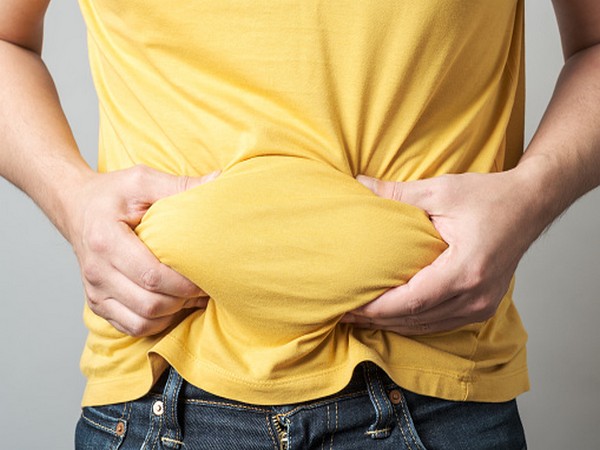
Representative image

Washington [US], September 28 (ANI): According to a new study, major weight loss may reverse most of the cardiovascular risks associated with obesity.
The cross-sectional study of the US adult population was presented at the Annual Meeting of the European Association for the Study of Diabetes (EASD), which is being held online this year from September 27 to October 1.
The findings indicate that the risk of high blood pressure and dyslipidemia (unhealthy levels of cholesterol or other fats in the blood) were similar in Americans who used to have obesity (but were now a healthy weight) and those who had always maintained a healthy weight.
However, although the risk of current type 2 diabetes lessened with weight loss, it remained elevated in people who formerly had obesity compared to those who had never had obesity.
More than 40 per cent of adult Americans have obesity (BMI of more than 30kg/m2) and close to one in 10 is classed as having severe obesity. Bodyweight is directly associated with almost all cardiovascular risk factors.
As BMI increases, so do the blood pressure, low-density lipoprotein (LDL, or bad) cholesterol, other abnormal blood fats, blood sugar, and inflammation. These changes increase the risk for heart disease, stroke, and death from cardiovascular disease.
However, little is known about whether the effects of obesity persist in those who subsequently achieve and maintain a healthy weight.
To find out more, researchers analysed cardiovascular risk factors in 20,271-non-elderly US adults (aged 20-69 years), comparing those who used to have obesity but had been a healthy weight for at least the past year (326) to both those who were always a healthy weight (6,235) and those who currently had obesity (13,710).
They used data from a series of cross-sections, collected biennially from the 1999-2013 National Health and Nutrition Examination Survey (NHANES; a study conducted by the Centers for Disease Control and Prevention) to compare the prevalence of high blood pressure, dyslipidemia, and type 2 diabetes between the groups.
Adults who previously had obesity were on average older than those who never, or currently had obesity, and more likely to smoke cigarettes (36 per cent vs 24 per cent vs 19 per cent).
After adjusting for age, gender, smoking and ethnicity, researchers found that the risk of high blood pressure and dyslipidemia were similar in those who used to have obesity and those who had always maintained a healthy weight.
Compared to those who were always healthy weight, people who used to have obesity had three-fold higher odds of diabetes than those who never had obesity; whilst people with current obesity were seven times as likely to experience diabetes. Those who currently had obesity were also at three times greater odds of current high blood pressure and dyslipidemia.
"The key take away of this study is that weight loss is hard, but important, for cardiovascular health," said lead author Professor Maia Smith from St George's University in Grenada.
"First of all, it's no surprise that losing weight and keeping it off is hard. Almost everyone in our original sample who had ever had obesity, stayed that way. But don't despair: if you do manage to lose weight, it can not only prevent but reverse significant health problems. The best time to get healthy is 20 years ago; the second best time is now," added Smith.
The authors acknowledged that their findings show observational associations rather than cause and effect, and they cannot rule out the possibility that other unmeasured factors (including socioeconomic status) or missing data (eg, dietary habits, physical activity behaviours) may have affected the results.
Finally, the study relied on self-reports of disease diagnosis and medication, as well as the highest-ever body weight, which might not be accurate. (ANI)


Get the App

What to Read Next

Health

The truth about ‘Eating for Two’ explained by doctors

The truth about ‘Eating for Two’ explained by doctors

Health experts warn that interpreting the advice literally can lead to excessive calorie intake, unhealthy weight gain and a higher risk of Gestational Diabetes Mellitus (GDM), a condition that affects blood sugar levels during pregnancy.

Read More
Health

High-fat keto diet may boost exercise benefits

High-fat keto diet may boost exercise benefits

A new study suggests that eating more fat rather than less could help the body gain greater benefits from exercise when blood sugar levels are high, offering an unexpected perspective on how diet and physical activity work together to support metabolic health.

Read More
Health

Pre-workout supplements may cut sleep in half for young users

Pre-workout supplements may cut sleep in half for young users

A popular fitness trend among young people may be quietly undermining their sleep. A new study led by researchers at the University of Toronto has found that teenagers and young adults who use pre-workout supplements are significantly more likely to experience extremely short sleep durations.

Read More
Health

The more you fear aging, the faster your body may age

The more you fear aging, the faster your body may age

Worrying about getting older especially fearing future health problems may actually speed up aging at the cellular level, according to new research from NYU.

Read More
Health

Scientists reveal how exercise protects brain from Alzheimer's

Scientists reveal how exercise protects brain from Alzheimer's

Exercise may sharpen the mind by repairing the brain's protective shield. Researchers found that physical activity prompts the liver to release an enzyme that removes a harmful protein, causing the blood-brain barrier to become leaky with age.

Read More
Health

MRI scans show exercise can make the brain look younger

MRI scans show exercise can make the brain look younger

New research suggests that consistent aerobic exercise can help keep your brain biologically younger. Adults who exercised regularly for a year showed brains that appeared nearly a year younger than those who didn't change their habits.

Read More
Health

Swedish study reveals when fitness and strength begin to fade

Swedish study reveals when fitness and strength begin to fade

A long-running Swedish study has followed adults for nearly five decades, uncovering when physical decline truly begins. Fitness and strength start slipping around age 35, then worsen gradually with age.

Read More
Health

Memory loss can suddenly speed up with age: Study

Memory loss can suddenly speed up with age: Study

A massive international brain study has revealed that memory decline with age isn't driven by a single brain region or gene, but by widespread structural changes across the brain that build up over time.

Read More
Health

Injection turns sleeping tumour immune cells into cancer fighters

Injection turns sleeping tumour immune cells into cancer fighters

The Korea Advanced Institute of Science and Technology (KAIST) researchers have developed a way to reprogram immune cells already inside tumours into cancer-killing machines.

Read More
Health

Eating more vitamin C can physically change your skin

Eating more vitamin C can physically change your skin

Scientists discovered that vitamin C from food travels through the bloodstream into every layer of the skin, boosting collagen and skin renewal.

Read More
Home About Us Our Products Advertise Contact Us Terms & Condition Privacy Policy

Copyright © aninews.in | All Rights Reserved.


