ADD ANI AS A TRUSTED SOURCE
googleads
Menu
Health

Loss, return of consciousness linked to same network of brain regions

Washington [US], December 29 (ANI): The loss and return of consciousness are linked to the same network of brain regions for both sleep and anesthesia, according to new research published in JNeurosci.

ANI Dec 29, 2020 11:19 IST googleads

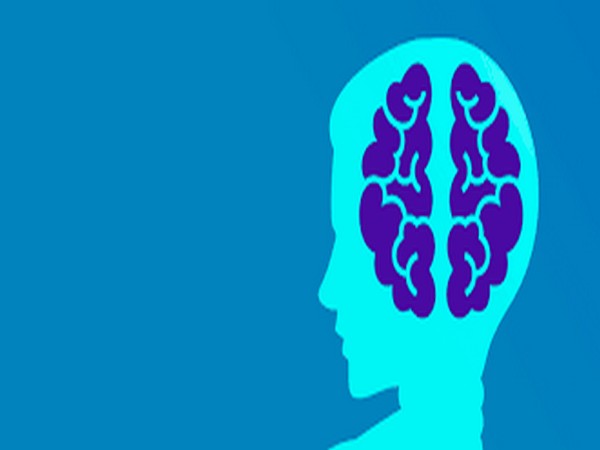
Representative image

Washington [US], December 29 (ANI): The loss and return of consciousness are linked to the same network of brain regions for both sleep and anesthesia, according to new research published in JNeurosci.
The biological basis of consciousness has confounded scientists for centuries. Our experimental techniques falter, as the effects of sleep and anesthetic drugs alter brain activity beyond changes in consciousness.
In addition, behavior does not always reveal someone's state of consciousness. An unresponsive person might still be aware of their surroundings (connected), or unaware but still experiencing their internal world (disconnected).
Scheinin et al. sought networks associated with human consciousness by measuring the brain activity of adult males with PET as they fell asleep and went under anesthesia.
The research team woke participants mid-experiment to interview them and confirm their state of connectedness. Changes in connectedness corresponded to the activity of a network comprised of regions deep inside the brain: the thalamus, anterior and posterior cingulate cortex, and angular gyri.
These regions exhibited less blood flow when a participant lost connectedness and more blood flow when they regained it. The pattern held true for both sleep and anesthesia, indicating the changes corresponded to connectedness rather than the effects of sleep or drugs, and that the network may be imperative for human consciousness. (ANI)

Get the App

What to Read Next

Health

Pre-workout supplements may cut sleep in half for young users

Pre-workout supplements may cut sleep in half for young users

A popular fitness trend among young people may be quietly undermining their sleep. A new study led by researchers at the University of Toronto has found that teenagers and young adults who use pre-workout supplements are significantly more likely to experience extremely short sleep durations.

Read More
Health

Scientists reveal how exercise protects brain from Alzheimer's

Scientists reveal how exercise protects brain from Alzheimer's

Exercise may sharpen the mind by repairing the brain's protective shield. Researchers found that physical activity prompts the liver to release an enzyme that removes a harmful protein, causing the blood-brain barrier to become leaky with age.

Read More
Health

Scientists find clue to human brain evolution in finger length

Scientists find clue to human brain evolution in finger length

Human evolution has long been tied to growing brain size, and new research suggests prenatal hormones may have played a surprising role. By studying the relative lengths of the index and ring fingers, a marker of prenatal exposure to oestrogen and testosterone, researchers found that higher prenatal oestrogen exposure was associated with larger head size in newborn boys.

Read More
Health

MRI scans show exercise can make the brain look younger

MRI scans show exercise can make the brain look younger

New research suggests that consistent aerobic exercise can help keep your brain biologically younger. Adults who exercised regularly for a year showed brains that appeared nearly a year younger than those who didn't change their habits.

Read More
Health

Scientists find hidden synapse hotspots in the teen brain: Study

Scientists find hidden synapse hotspots in the teen brain: Study

The scientists have discovered that the adolescent brain does more than prune old connections. During the teen years, it actively builds dense new clusters of synapses in specific parts of neurons.

Read More
Home About Us Our Products Advertise Contact Us Terms & Condition Privacy Policy

Copyright © aninews.in | All Rights Reserved.