

ADD ANI AS A TRUSTED SOURCE
googleads
ANI Logo
Menu
Health

Losing sleep caring for Dementia patients can affect health: study

Washington D.C. [USA], Aug 24 (ANI): While dementia patients need a caregiver to look after them, a new study has found that these carers are losing their sleep while caring for their clients.

ANI Aug 24, 2019 13:39 IST googleads

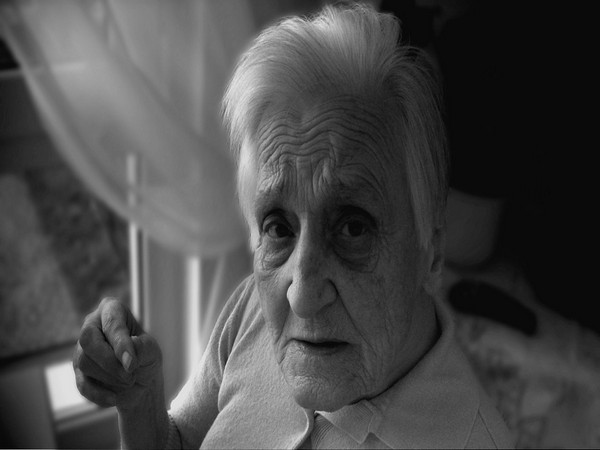
Representative image

Washington D.C. [USA], Aug 24 (ANI): While dementia patients need a caregiver to look after them, a new study has found that these carers are losing their sleep while caring for their clients.
According to the study, carers lose between 2.5 to 3.5 hours of sleep weekly since they face difficulty in falling asleep and getting a sound sleep.
However, researchers also pointed out that this can be improved through simple, low-cost interventions.
Researchers in the study published in the journal 'JAMA' analysed 35 studies with data from 3,268 caregivers.
Informal caregiving for a person with dementia is akin to adding a part-time but unpaid job to one's life, with family members averaging 21.9 hours of caregiving, according to The Alzheimer's Association estimates.
"Losing 3.5 hours of sleep per week does not seem much, but caregivers often experience accumulation of sleep loss over years," said lead author Chenlu Gao, a doctoral candidate of psychology and neuroscience in Baylor's College of Arts & Sciences.
"It can have a strong impact on caregivers' cognition and mental and physical health. But improving caregivers' sleep quality through low-cost behavioural interventions can significantly improve their functions and quality of life," said Gao.
Chronic stress is associated with short sleep and poor-quality sleep. Nighttime awakenings by a patient with dementia also can contribute to disturbed sleep in caregivers, researchers said.
"With that extra bit of sleep loss every night, maybe a caregiver now forgets some medication doses or reacts more emotionally than he or she otherwise would," said co-author Michael Scullin, Ph.D., director of Baylor's Sleep Neuroscience and Cognition Laboratory and assistant professor of psychology and neuroscience at Baylor.
Notably better sleep was observed in caregivers after such simple behaviors as getting more morning sunlight, establishing a regular and relaxing bedtime routine and taking part in moderate physical exercise.
For the analysis, researchers searched articles in peer-reviewed journals and books addressing caregivers, sleep, dementia and Alzheimer's disease, published through June 2018. Those studies measured sleep quality and quantity by monitoring brain electrical activity, body movements and self-reporting by caregivers.
The difference in time and quality of sleep was significant when compared to non-caregivers in the same age range and with the recommended minimum of sleep: seven hours nightly for adults.
Researchers also analyzed intervention-related changes in sleep quality, such as daytime exercise, not drinking coffee or tea past late afternoon, not drinking alcohol at night and getting more sunlight in the morning.
"Given the long-term, potentially cumulative health consequences of poor-quality sleep, as well as the rising need for dementia caregivers worldwide, clinicians should consider sleep interventions not only for the patient but also for the spouse, child or friend who will be providing care," Gao opined. (ANI)

Get the App

What to Read Next

Health

Pre-workout supplements may cut sleep in half for young users

Pre-workout supplements may cut sleep in half for young users

A popular fitness trend among young people may be quietly undermining their sleep. A new study led by researchers at the University of Toronto has found that teenagers and young adults who use pre-workout supplements are significantly more likely to experience extremely short sleep durations.

Read More
Health

Swedish study reveals when fitness and strength begin to fade

Swedish study reveals when fitness and strength begin to fade

A long-running Swedish study has followed adults for nearly five decades, uncovering when physical decline truly begins. Fitness and strength start slipping around age 35, then worsen gradually with age.

Read More
Health

Memory loss can suddenly speed up with age: Study

Memory loss can suddenly speed up with age: Study

A massive international brain study has revealed that memory decline with age isn't driven by a single brain region or gene, but by widespread structural changes across the brain that build up over time.

Read More
Health

Stem cell therapy helps AMD patients see again

Stem cell therapy helps AMD patients see again

A first-of-its-kind trial is testing adult stem cell transplants for advanced dry macular degeneration. Early results show the treatment is safe and can significantly improve vision, even in severely affected patients.

Read More
Health

New genetic tool and chromosome changes linked to pregnancy loss

New genetic tool and chromosome changes linked to pregnancy loss

Pregnancy loss affects up to 25 per cent of all pregnancies, with most miscarriages occurring in the first trimester and roughly half caused by genetic or chromosomal abnormalities. But when pregnancy loss occurs three or more times, identifying the underlying cause becomes significantly more challenging, and often remains unknown.

Read More
Health

This simple diet could help protect memory: Study

This simple diet could help protect memory: Study

A new study led by investigators from Mass General Brigham, Harvard T.H. Chan School of Public Health, and the Broad Institute of MIT and Harvard suggests that a Mediterranean-style diet may help reduce dementia risk.

Read More
Health

Scientists find simple tweaks that cut diabetes risk by 31%

Scientists find simple tweaks that cut diabetes risk by 31%

A Mediterranean-style diet, in combination with reduced caloric intake, moderate physical activity, and professional support for weight loss, may cut the risk of type 2 diabetes (T2D) by 31%, according to a new study co-authored by researchers at Harvard T.H. Chan School of Public Health.

Read More
Health

Mechanism behind life-threatening cancer drug side-effect

Mechanism behind life-threatening cancer drug side-effect

New research has found immune changes in cancer patients that could help identify which patients are most at risk of dangerous heart complications from cancer drugs, known as immune checkpoint inhibitors.

Read More
Health

Study finds out link between nighttime heart rhythm, stroke

Study finds out link between nighttime heart rhythm, stroke

New research has uncovered a powerful link between nighttime heart rhythm and future health conditions, even in people with no obvious sleep problems

Read More
Health

Intermittent fasting matches traditional diets in weight loss

Intermittent fasting matches traditional diets in weight loss

Intermittent fasting may be just as effective as traditional calorie-restricted diets for helping people lose weight, according to a comprehensive new review published in The BMJ.

Read More
Home About Us Our Products Advertise Contact Us Terms & Condition Privacy Policy

Copyright © aninews.in | All Rights Reserved.


