

ADD ANI AS A TRUSTED SOURCE
googleads
ANI Logo
Menu
Health

Long-studied protein could be a measure of traumatic brain injury

Washington D.C. [USA], July 14 (ANI): Scientists at the Walter Reed Army Institute for Research (WRAIR) have recently demonstrated that cathepsin B, a well-studied protein important to brain development and function, can be used as biomarker, or indicator of severity, for traumatic brain injury.

ANI Jul 14, 2020 14:12 IST googleads

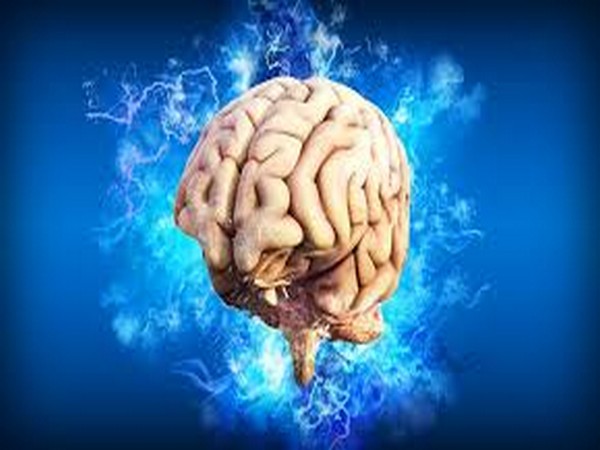
Representative image

Washington D.C. [USA], July 14 (ANI): Scientists at the Walter Reed Army Institute for Research (WRAIR) have recently demonstrated that cathepsin B, a well-studied protein important to brain development and function, can be used as biomarker, or indicator of severity, for traumatic brain injury.
Traumatic brain injury (TBI) or brain trauma results from blows to the head, leading to life-changing disruption of the brain and a cascade of long-term health conditions. A leading cause of disability and death worldwide, TBI may occur due to an open-skull injury, like a gunshot wound, a fall, or an automobile accident. Athletes, the elderly, children, and military service members are particularly vulnerable.
Biomarkers are a source of great interest to researchers due to their potential to dramatically improve both the diagnosis and categorization of severity of TBI. Furthermore, they have the potential to validate treatment strategies by indicating whether drugs have reached their proposed targets and achieved therapeutic benefits.
In their publication in the Journal of Neurotrauma, the researchers showed that levels of cathepsin B were increased in areas of the injured brain relevant to controlling the senses, language, memory and other critical executive functions.
In healthy cells, cathepsin B has a range of roles, including helping to eliminate damaged cells, maintaining metabolic homeostasis, and degrading improperly produced proteins. When the level of cathepsin B is not tightly controlled, it is linked to inflammation and tissue death.
This publication reports the first results demonstrating the ability to use cathepsin B as a blood-based biomarker to capable of identifying TBI severity within different brain regions as well as cerebral spinal fluid.
"Biomarker tests that accurately reflect the extent and severity of injury can dramatically improve the standard of care, minimizing the need for resource-intensive diagnostics like CT or MRI scans in favor of more portable tests," said Dr. Angela Boutte, lead author and section chief of molecular biology and proteomics within the Brain Trauma Neuroprotection Branch at WRAIR.
"This would allow for early, accurate detection of TBI, whether at the side of the road after an accident or, most importantly, on the battlefield to help guide medical decisions," added Boutte.
Future research is planned to further characterise the role of cathepsin B in TBI. (ANI)


Get the App

What to Read Next

Health

Scientists reveal how exercise protects brain from Alzheimer's

Scientists reveal how exercise protects brain from Alzheimer's

Exercise may sharpen the mind by repairing the brain's protective shield. Researchers found that physical activity prompts the liver to release an enzyme that removes a harmful protein, causing the blood-brain barrier to become leaky with age.

Read More
Health

Scientists find clue to human brain evolution in finger length

Scientists find clue to human brain evolution in finger length

Human evolution has long been tied to growing brain size, and new research suggests prenatal hormones may have played a surprising role. By studying the relative lengths of the index and ring fingers, a marker of prenatal exposure to oestrogen and testosterone, researchers found that higher prenatal oestrogen exposure was associated with larger head size in newborn boys.

Read More
Health

MRI scans show exercise can make the brain look younger

MRI scans show exercise can make the brain look younger

New research suggests that consistent aerobic exercise can help keep your brain biologically younger. Adults who exercised regularly for a year showed brains that appeared nearly a year younger than those who didn't change their habits.

Read More
Health

Scientists find hidden synapse hotspots in the teen brain: Study

Scientists find hidden synapse hotspots in the teen brain: Study

The scientists have discovered that the adolescent brain does more than prune old connections. During the teen years, it actively builds dense new clusters of synapses in specific parts of neurons.

Read More
Health

Memory loss can suddenly speed up with age: Study

Memory loss can suddenly speed up with age: Study

A massive international brain study has revealed that memory decline with age isn't driven by a single brain region or gene, but by widespread structural changes across the brain that build up over time.

Read More
Health

This tiny protein helps control how hungry you feel

This tiny protein helps control how hungry you feel

Researchers have identified a previously overlooked protein that helps regulate appetite and energy use in the body.

Read More
Health

This gut molecule shows remarkable anti-diabetes power: Study

This gut molecule shows remarkable anti-diabetes power: Study

Researchers revealed that the microbial metabolite TMA can directly block the immune protein IRAK4, reducing inflammation and improving insulin sensitivity.

Read More
Health

Collaborating minds think alike in shared task: Study

Collaborating minds think alike in shared task: Study

When two people work on a shared task, they process information alike, a new study revealed.

Read More
Health

This body trait helps keep your brain young: Study

This body trait helps keep your brain young: Study

Scientists discovered that more muscle and less hidden abdominal fat are linked to a younger biological brain age.

Read More
Health

Boosting this protein helps brain protect itself from Alzheimer’s

Boosting this protein helps brain protect itself from Alzheimer’s

Researchers discovered that raising the protein Sox9 can help the brain's astrocytes clear out toxic plaque buildup linked to Alzheimer's.

Read More
Home About Us Our Products Advertise Contact Us Terms & Condition Privacy Policy

Copyright © aninews.in | All Rights Reserved.
