

ADD ANI AS A TRUSTED SOURCE
googleads
Menu
Health

Is it really healthy for kidney transplant recipients to limit their protein intake?

Osaka [Japan], September 16 (ANI): According to conventional wisdom, patients with kidney disease must consume a low protein diet. With their recent study on the relationship between protein intake and skeletal muscle mass in kidney transplant recipients, scientists from Osaka Metropolitan University demonstrated that this may not always be the case. Clinical Nutrition published their findings.

ANI Sep 16, 2022 13:07 IST googleads

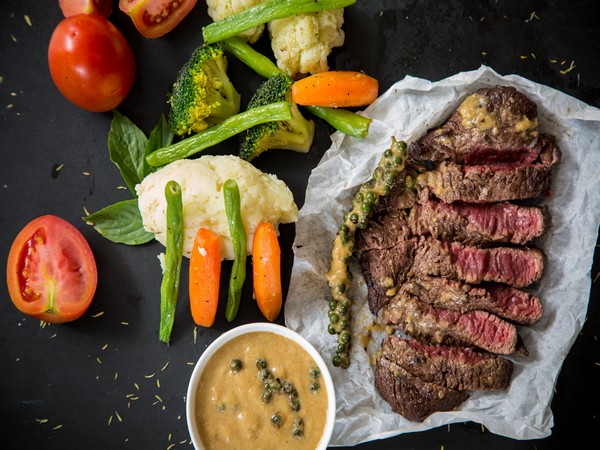
Representative Image

Osaka [Japan], September 16 (ANI): According to conventional wisdom, patients with kidney disease must consume a low protein diet. With their recent study on the relationship between protein intake and skeletal muscle mass in kidney transplant recipients, scientists from Osaka Metropolitan University demonstrated that this may not always be the case. Clinical Nutrition published their findings.
Chronic kidney disease patients have been shown to have induced sarcopenia as a result of chronic inflammation, hypercatabolism, decreased nutrient intake and decreased physical activity, all of which are associated with impaired kidney function. Many of these physiological and metabolic abnormalities can be corrected or improved as a result of successful kidney transplantation. As a result, kidney transplant recipients gain skeletal muscle mass after receiving a kidney transplant. Because too much protein impairs kidney function, it's widely assumed that patients with chronic kidney disease, including kidney transplant recipients, should limit their protein intake to protect their kidneys. Severe protein restriction, on the other hand, has been linked to worsening sarcopenia and a poor prognosis.
Protein intake is thought to be related to the recovery of skeletal muscle mass after kidney transplantation because nutrition and exercise therapy are recommended to improve sarcopenia. Few studies, however, have looked at the link between skeletal muscle mass and protein intake in kidney transplant recipients.
To fill this void, a research team led by Dr. Akihiro Kosoku, Dr. Tomoaki Iwai, and Professor Junji Uchida at the Department of Urology, Graduate School of Medicine, Osaka Metropolitan University investigated the relationship between changes in skeletal muscle mass (as measured by bioelectrical impedance analysis) and protein intake (as estimated from urine collected from 64 kidney transplant recipients 12 months after transplantation). The findings revealed that changes in skeletal muscle mass during this time period were positively correlated with protein intake, and that a lack of protein resulted in a loss of muscle mass.
Dr. Iwai and Dr. Kosoku stated, "Further research is needed to clarify the optimal protein intake to prevent either deterioration in kidney function or sarcopenia in kidney transplant recipients." We hope that nutritional counselling, including protein intake, will improve life expectancy and prognosis." (ANI)


Get the App

What to Read Next

Health

The truth about ‘Eating for Two’ explained by doctors

The truth about ‘Eating for Two’ explained by doctors

Health experts warn that interpreting the advice literally can lead to excessive calorie intake, unhealthy weight gain and a higher risk of Gestational Diabetes Mellitus (GDM), a condition that affects blood sugar levels during pregnancy.

Read More
Health

Pre-workout supplements may cut sleep in half for young users

Pre-workout supplements may cut sleep in half for young users

A popular fitness trend among young people may be quietly undermining their sleep. A new study led by researchers at the University of Toronto has found that teenagers and young adults who use pre-workout supplements are significantly more likely to experience extremely short sleep durations.

Read More
Health

Scientists reveal how exercise protects brain from Alzheimer's

Scientists reveal how exercise protects brain from Alzheimer's

Exercise may sharpen the mind by repairing the brain's protective shield. Researchers found that physical activity prompts the liver to release an enzyme that removes a harmful protein, causing the blood-brain barrier to become leaky with age.

Read More
Health

MRI scans show exercise can make the brain look younger

MRI scans show exercise can make the brain look younger

New research suggests that consistent aerobic exercise can help keep your brain biologically younger. Adults who exercised regularly for a year showed brains that appeared nearly a year younger than those who didn't change their habits.

Read More
Health

Swedish study reveals when fitness and strength begin to fade

Swedish study reveals when fitness and strength begin to fade

A long-running Swedish study has followed adults for nearly five decades, uncovering when physical decline truly begins. Fitness and strength start slipping around age 35, then worsen gradually with age.

Read More
Home About Us Our Products Advertise Contact Us Terms & Condition Privacy Policy

Copyright © aninews.in | All Rights Reserved.
