

ADD ANI AS A TRUSTED SOURCE
googleads
ANI Logo
Menu
Health

Internal bleeding post-heart attack might be sign of cancer: Study

Washington D.C. [USA], Aug 31 (ANI): Internal bleeding during the first 6 months after being discharged from hospital for a heart attack treatment might indicate the development of cancer in the body, a new study has found.

ANI Aug 31, 2019 20:04 IST googleads

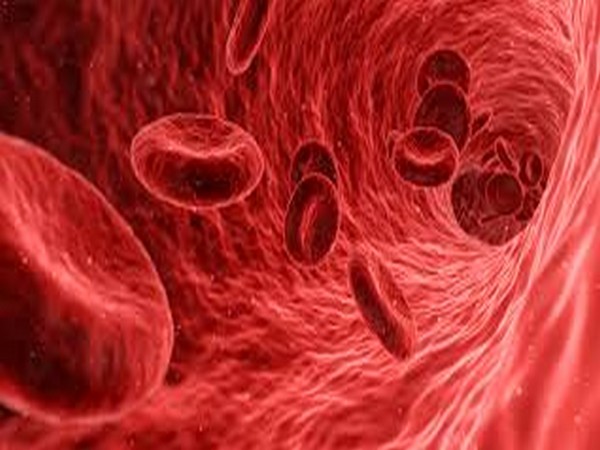
Representative image

Washington D.C. [USA], Aug 31 (ANI): Internal bleeding during the first 6 months after being discharged from hospital for a heart attack treatment might indicate the development of cancer in the body, a new study has found.
The findings of this study were presented at ESC Congress 2019.
"Patients should seek medical advice if they experience bleeding after discharge for a heart attack," said study author Isabel Munoz Pousa of Alvaro Cunqueiro Hospital, Pontevedra, Spain.
"Particularly if the bleeding is of gastrointestinal, pulmonary or genitourinary origin, without any obvious reason, and occurs in the first six months. If the cause is cancer, early detection can improve prognosis," suggested Pousa.
Following discharge for acute coronary syndrome (heart attack or unstable angina), patients are typically treated with dual antiplatelet therapy for around one year.
This treatment inhibits the formation of blood clots but raises the risk of bleeding.
Researchers for the study retrospectively reviewed the hospital records of 3,644 acute coronary syndrome patients discharged with dual antiplatelet therapy from Alvaro Cunqueiro Hospital.
Patients were followed-up for a median of 56.2 months for bleeding events and cancer. The researchers analysed associations between bleeding and the absolute risk of a new cancer diagnosis.
Bleeding occurred in 1,215 patients (33 per cent) during follow-up and 227 patients (6 per cent) had a new diagnosis of cancer.
After adjustment for factors known to influence bleeding or cancer, post-discharge bleeding was associated with a threefold higher risk of a new cancer diagnosis.
The median time from bleeding to cancer was 4.6 months. The link with cancer increased as the severity of bleeding worsened.
Spontaneous bleeding with no apparent cause was linked with four times higher risk of cancer diagnosis while there was no relation with bleeding due to trauma such as injury or bladder catheterisation.
Regarding the location, blood in the faeces was associated with a nearly fourfold risk of cancer diagnosis, while coughing up blood or blood in the urine were linked with four and eight-times greater risks, respectively.
There was a relationship between bleeding and cancer regardless of whether patients were still on dual antiplatelet therapy or not.
Munoz Pousa said, "Most of the bleeding episodes in the study were mild. The bleeding events more strongly related with a new cancer diagnosis were severe haemorrhages of unknown cause requiring surgery - for example, digestive bleeding needing endoscopic treatment."
"We found a higher incidence of cancer in the first six months after discharge regardless of whether patients were taking dual antiplatelet therapy or not," the doctor added. (ANI)

Get the App

What to Read Next

Health

The truth about ‘Eating for Two’ explained by doctors

The truth about ‘Eating for Two’ explained by doctors

Health experts warn that interpreting the advice literally can lead to excessive calorie intake, unhealthy weight gain and a higher risk of Gestational Diabetes Mellitus (GDM), a condition that affects blood sugar levels during pregnancy.

Read More
Health

High-fat keto diet may boost exercise benefits

High-fat keto diet may boost exercise benefits

A new study suggests that eating more fat rather than less could help the body gain greater benefits from exercise when blood sugar levels are high, offering an unexpected perspective on how diet and physical activity work together to support metabolic health.

Read More
Health

Scientists discover reason high altitude protects against diabete

Scientists discover reason high altitude protects against diabete

Living at high altitude appears to protect against diabetes, and scientists have finally discovered the reason. When oxygen levels drop, red blood cells switch into a new metabolic mode and absorb large amounts of glucose from the blood.

Read More
Health

Scientists reveal how exercise protects brain from Alzheimer's

Scientists reveal how exercise protects brain from Alzheimer's

Exercise may sharpen the mind by repairing the brain's protective shield. Researchers found that physical activity prompts the liver to release an enzyme that removes a harmful protein, causing the blood-brain barrier to become leaky with age.

Read More
Health

Scientists solve a major roadblock in cancer cell therapy: Study 

Scientists solve a major roadblock in cancer cell therapy: Study 

Researchers have found a reliable way to grow helper T cells from stem cells, solving a major challenge in immune-based cancer therapy. Helper T cells act as the immune system's coordinators, helping other immune cells fight longer and harder.

Read More
Health

Injection turns sleeping tumour immune cells into cancer fighters

Injection turns sleeping tumour immune cells into cancer fighters

The Korea Advanced Institute of Science and Technology (KAIST) researchers have developed a way to reprogram immune cells already inside tumours into cancer-killing machines.

Read More
Health

High-fat diets give liver cancer a dangerous head start: Study

High-fat diets give liver cancer a dangerous head start: Study

A high-fat diet does more than overload the liver with fat. New research from MIT shows that prolonged exposure to fatty foods can push liver cells into a survival mode that quietly raises the risk of cancer.

Read More
Health

Researchers have decoded rare cancer fighting plant compound

Researchers have decoded rare cancer fighting plant compound

UBC Okanagan researchers have uncovered how plants create mitraphylline, a rare natural compound linked to anti-cancer effects.

Read More
Health

Hidden blood molecules show surprising anti-ageing power: Study

Hidden blood molecules show surprising anti-ageing power: Study

Scientists have discovered new anti-ageing compounds produced by a little-studied blood bacterium, opening up promising avenues for future skin-rejuvenation therapies.

Read More
Health

Air pollution may reduce health benefits of exercise: Study

Air pollution may reduce health benefits of exercise: Study

A new study led by researchers at University College London (UCL) shows that chronic exposure to toxic air can significantly diminish the health benefits of regular physical activity.

Read More
Home About Us Our Products Advertise Contact Us Terms & Condition Privacy Policy

Copyright © aninews.in | All Rights Reserved.


